
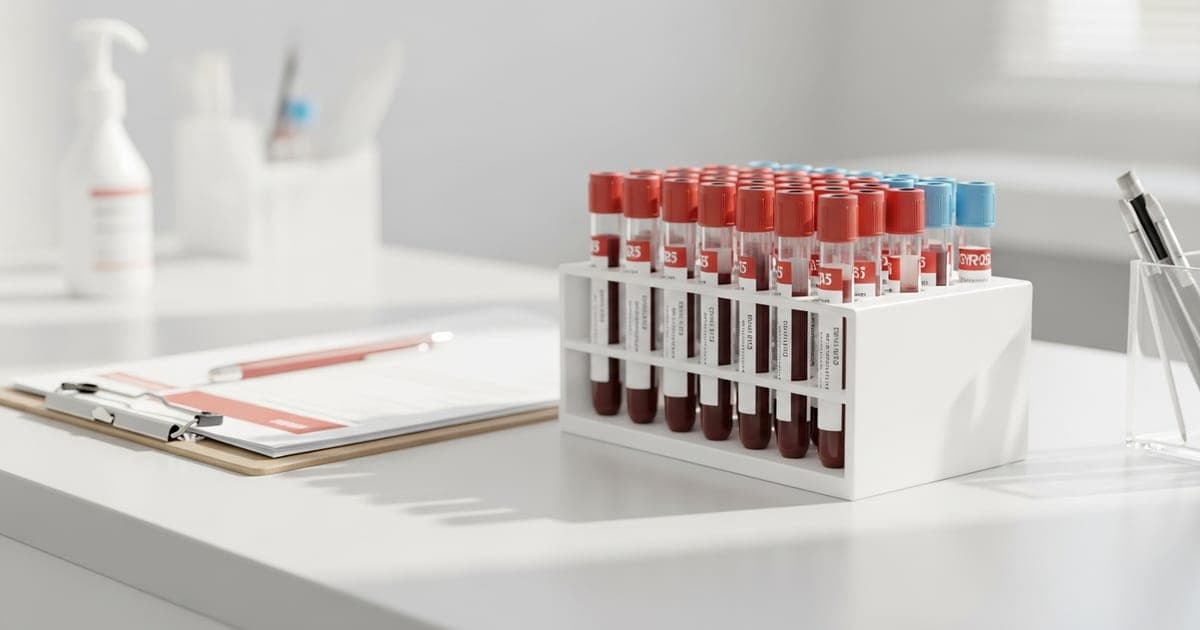
Immune system blood tests measure the cellular and protein components of your immune defenses — white blood cell counts and types, immunoglobulin levels, complement proteins, and autoimmune antibodies. No single test gives a complete picture of immune function; instead, providers order specific panels based on the clinical question — whether you are fighting a current infection, experiencing recurrent illness, or being evaluated for an autoimmune condition. The CBC with differential is always the starting point. From there, more targeted panels evaluate specific branches of the immune system.
Key Blood Tests That Assess Immune Function
| Test | What It Measures | Why It Matters |
|---|---|---|
| CBC with differential | Counts of all white blood cell types: neutrophils, lymphocytes, monocytes, eosinophils, basophils | First-line immune screen; low neutrophils = infection risk; high lymphocytes = viral infection or lymphoma |
| Immunoglobulins (IgG, IgA, IgM) | Levels of the three main antibody classes | Low IgG = antibody deficiency (common variable immune deficiency); high = chronic infection or myeloma |
| ANA (antinuclear antibody) | Autoantibodies targeting the cell nucleus | Positive in lupus, Sjögren's, mixed connective tissue disease; guides autoimmune workup |
| Complement (C3, C4) | Proteins of the innate immune complement pathway | Low in lupus flares, hereditary angioedema; high in early inflammatory response |
| CRP / ESR | Non-specific inflammation markers | Elevated in any active infection, autoimmune flare, or inflammatory state |
| T-cell / B-cell panel | Counts of CD4+ T cells, CD8+ T cells, B cells via flow cytometry | Monitors HIV disease progression; evaluates primary immunodeficiency |
| NK cell activity | Natural killer cell count and function | Relevant in recurrent infections and some autoimmune conditions |
| Allergy panel (IgE) | Total IgE and allergen-specific IgE | Elevated IgE in allergic disease; specific IgE identifies triggers |
Understanding the Immune System
The immune system is a complex network of cells, tissues, and organs working collaboratively to safeguard the body against infections, diseases, and foreign substances. It identifies and neutralizes threats, adapting over time to enhance its defense mechanisms.
The Importance of Immune System Health
A robust immune system is vital for overall well-being. It not only fights off infections but also plays a role in preventing chronic diseases and supporting the body’s healing processes.
What is an Immune System Blood Test?
An immune system blood test is a diagnostic tool used to assess the functioning of your immune system. By analyzing blood samples, healthcare professionals can gain insights into the levels of various components that contribute to immune responses.
Types of Immune System Blood Tests
Complete Blood Count (CBC): This test provides information about your overall health and detects various disorders, including infections and anemia.
White Blood Cell Count (WBC):WBCs are key players in the immune system. A WBC count helps identify infections or conditions affecting your immune response.
Immunoglobulin Levels: Immunoglobulins are antibodies that fight infections. Measuring their levels can reveal immune system disorders.
C-reactive Protein (CRP) Test: This test identifies inflammation in the body, which could indicate an immune response.
Erythrocyte Sedimentation Rate (ESR) Test: ESR measures inflammation levels and can indicate autoimmune diseases or infections.
Where To Get Tested?
Say Goodbye To Waiting Rooms And Long Lines. Speedy Sticks offers at-home testing.
When and Why You Might Need an Immune System Blood Test
Your doctor might recommend an immune system blood test if you experience recurrent infections, unexplained symptoms, or if you have conditions that weaken the immune system.
The Immune System and Your Overall Health
The Gut-Immune Connection
Research has uncovered a fascinating link between the gut and the immune system. A healthy gut contributes to a strong immune response, while an imbalanced gut microbiome could lead to immune dysfunction. This revelation emphasizes the importance of maintaining gut health for overall well-being.
Stress, Sleep, and Immunity
The intricate relationship between stress, sleep, and immunity cannot be ignored. Chronic stress and inadequate sleep weaken the immune system, making you more susceptible to infections. Prioritizing stress management and quality sleep can significantly bolster your immune defenses.
Decoding Test Results: What They Mean
Normal vs. Abnormal Results
Interpreting your immune system blood test results requires expertise. Normal ranges can vary based on factors such as age and gender. An experienced healthcare provider can help determine if your results fall within expected parameters or if further investigation is needed.
Potential Underlying Issues
Infections: Elevated white blood cell counts might indicate an ongoing infection, prompting the need for further tests to identify the culprit.
Autoimmune Disorders: Abnormal immunoglobulin levels can point towards autoimmune conditions like lupus or rheumatoid arthritis.
Taking Action: Boosting Your Immune System
Embracing a Balanced Diet: A diet rich in fruits, vegetables, lean proteins, and whole grains provides the nutrients necessary for immune function. Nutrients like vitamin C, vitamin D, and zinc play pivotal roles in supporting your immune system.
Regular Exercise: Engaging in moderate exercise not only enhances cardiovascular health but also contributes to a robust immune system. Exercise stimulates immune cells, improving their surveillance and response to potential threats.
Say Goodbye To Waiting Rooms And Long Lines. Speedy Sticks offers at-home testing.
What Foods Build up Immune System?
Foods to Boost Immune System:
- Citrus fruits (oranges, lemons) for vitamin C
- Yogurt with probiotics for gut health
- Spinach and broccoli for antioxidants
- Almonds and seeds for vitamin E
- Lean proteins (chicken, turkey) for amino acids
What Happens if Immunity is High?
Effects of High Immunity:
- Better defense against infections
- Faster recovery from illnesses
- Reduced risk of chronic diseases
- Balanced immune response
What is a Normal Immune System Level?
Normal Immune System Range:
- No definitive “normal” level
- Varies by individual’s health
- Depends on immune cell activity
How Can I Boost my Immune System When Sick?
Boosting Immunity While Sick:
- Stay hydrated and rest
- Eat nutrient-rich foods
- Consume warm fluids (soup, tea)
- Manage stress
- Follow medical advice
How Do You Check Your Immunity is Good or Bad?
Signs of Weak Immunity:
- Frequent infections
- Slow wound healing
- Chronic fatigue
- Allergies and autoimmune issues
Checking Immunity Health:
- Consult a healthcare provider
- Blood tests for immune markers
- Evaluate medical history
- Monitor overall health status
Conclusion
Your immune system blood test holds the key to a deeper understanding of your health. Beyond the surface-level indicators, it offers insights into your immune function, potential vulnerabilities, and areas that require attention. By partnering with healthcare professionals and making proactive lifestyle choices, you can harness this information to lead a healthier and more resilient life.
Say Goodbye To Waiting Rooms And Long Lines. Speedy Sticks offers at-home testing.
A mobile phlebotomist can collect your blood draw at home — the sample goes to a certified reference lab, and results come back through your provider.
Sources and further reading
Immune Panel Collected at Your Door
CBC with differential, complement levels, immunoglobulins — your immune workup can be drawn at home by a certified phlebotomist. Same reference lab, no waiting room.
Book a visit →