
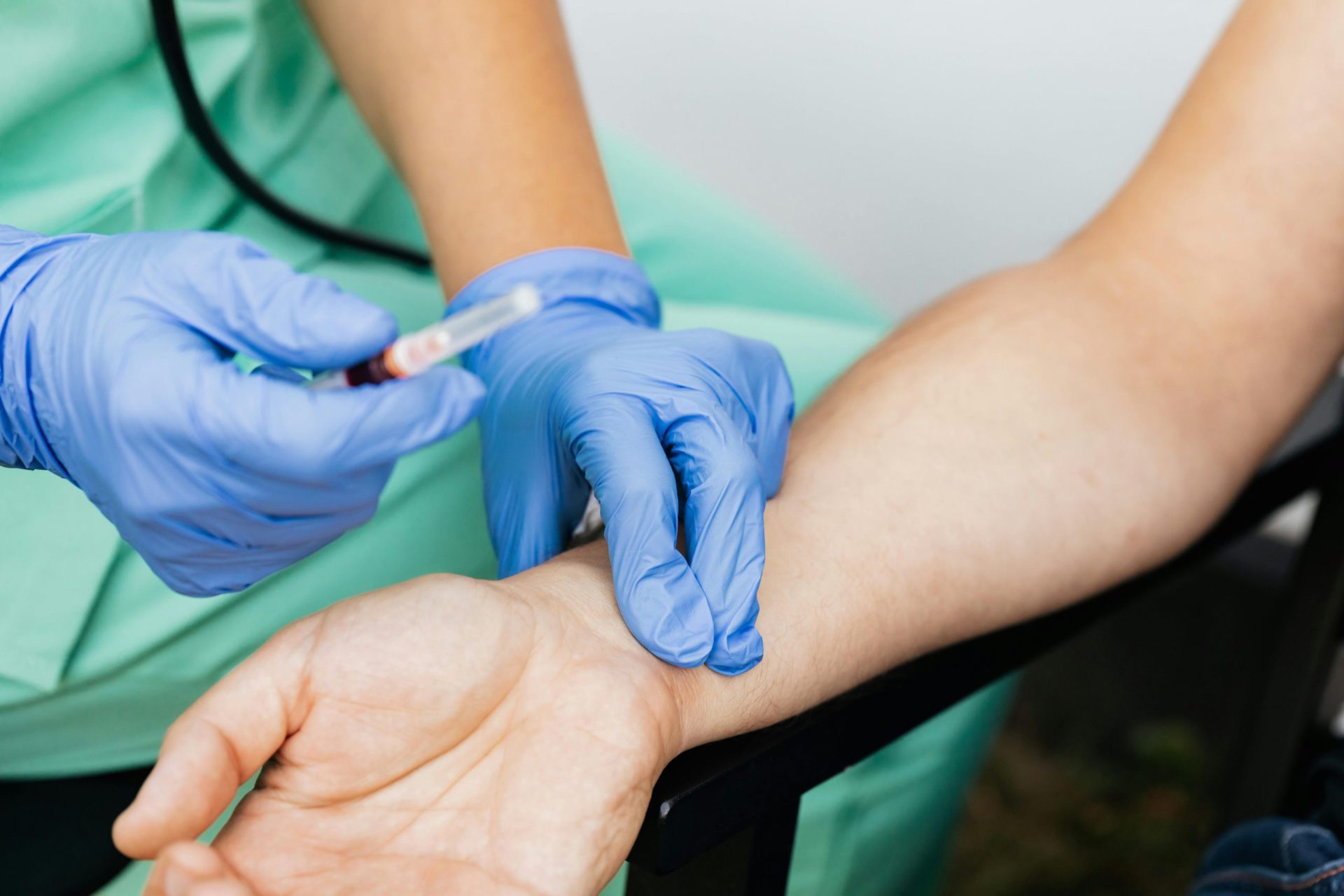
Blood collection may seem simple to healthcare professionals, but for many patients, it can be a deeply uncomfortable or anxiety-inducing event. Patient comfort is not just a courtesy—it’s essential. A calm patient leads to a smoother draw, fewer complications, and an overall better healthcare experience.

Why Patient Comfort Matters?
Comfort influences everything—from a patient’s willingness to return for future tests to the accuracy of the sample. When patients feel relaxed, their veins are easier to access, reducing pain and the likelihood of multiple attempts.
The Emotional Side of Blood Collection
For some people, the thought of a needle instantly triggers fear. Others may have had traumatic experiences that amplify anxiety. Understanding these emotions helps phlebotomists deliver compassionate and effective care.
Common Causes of Anxiety
Patient anxiety during blood collection often stems from:
Fear of needles
Previous painful or traumatic blood draws
Medical trauma
Fear of fainting
Lack of understanding
Signs of an Anxious Patient
Recognizing anxiety early helps prevent complications. Look for:
Sweaty palms
Rapid breathing
Fidgeting
Avoiding eye contact
Stiff posture
Needle Phobia (Trypanophobia)
This intense fear affects millions and can lead to panic attacks or fainting. Handling such patients requires patience, empathy, and clear communication.
Anxiety in First-Time Patients
Children, teens, and adults new to blood draws may feel nervous due to uncertainty. Clear explanations can significantly ease their fear.
The Role of the Phlebotomist
Building Trust
Trust begins the moment the patient walks in. A warm greeting, eye contact, and a calm tone set the stage for a relaxed experience.
Effective Verbal and Non-Verbal Communication
Simple phrases like “You’re doing great” or “Let me know if you need a moment” reassure patients. Nonverbal cues—like gentle movements and relaxed posture—also help reduce fear.
Preparing for a Comfortable Blood Draw
Pre-Collection Assessment
Before proceeding, ask:
“Have you ever fainted?”
“Do you prefer lying down?”
“Are you nervous about needles?”
This helps tailor the approach.
Creating a Calm Environment
A peaceful workspace improves patient comfort.
Room Setup
Keep the area clean, quiet, and organized. Clutter increases stress for both patient and phlebotomist.
Equipment Readiness
Having everything prepared reduces delays that may heighten anxiety.
Techniques to Reduce Anxiety During Blood Collection
Distraction Techniques
Distraction works wonders. Encouraging the patient to:
Look away
Listen to music
Engage in light conversation
These techniques shift focus from fear to comfort.
Guided Breathing
Deep, slow breaths relax the body and help stabilize heart rate.
Try: “Breathe in for 4 seconds, hold for 2, out for 4.”
Empowering Patients Through Education
Explaining the process in simple terms makes patients feel in control.
People fear what they do not understand.
Special Considerations for Different Patient Groups
Pediatric Patients
Child-Friendly Approaches
Use gentle, playful communication
Offer stickers or small rewards
Allow parents to provide comfort
Children often mirror the adult’s emotional tone—stay upbeat and calm.
Elderly Patients
Managing Fragile Veins & Mobility Issues
Older adults may have thin skin, fragile veins, or limited mobility.
Use smaller needles, apply gentle pressure, and allow extra time.
Patients With Disabilities
Sensory-Sensitive Patients
Some patients may struggle with noise, touch, or bright lights.
Adjust the environment by dimming lights or minimizing movement.
Pain-Reduction Strategies
Proper Needle Selection
Choosing the right gauge reduces pain and prevents vein trauma.
Tourniquet Timing
Leaving the tourniquet on too long increases discomfort and can affect sample quality. Apply it briefly for best results.
Vein Location Techniques
Use warm compresses or let the arm rest downward to improve vein visibility.
Aftercare and Post-Collection Support
Preventing Dizziness or Fainting
Encourage patients to sit or lie down for a minute.
Offer water, and let them know it’s normal to rest after a draw.
Communicating Next Steps
Inform patients how long to keep the bandage, what to expect, and when results will be ready.
Training & Development for Phlebotomists
Importance of Continuous Training
Ongoing education ensures phlebotomists stay updated on best practices and new techniques.
Customer-Service Skills
Technical skill alone is not enough.
A great phlebotomist is part clinician, part communicator.
Conclusion
Patient comfort and anxiety management are vital in blood collection. When phlebotomists use empathy, communication, and proper technique, the entire process becomes smoother and more positive. A comfortable patient leads to fewer complications, better sample quality, and increased trust in the healthcare system.

Say Goodbye To Waiting Rooms And Long Lines. Speedy Sticks offers at-home testing.