
Blood tests are one of the most common tools doctors use to understand what’s happening inside your body. Yet many people feel confused when they hear instructions like “Don’t eat for 8–12 hours before your test.” Others are told they can eat normally before their appointment. So what’s the real difference between fasting blood tests and non-fasting blood tests? And why does it matter so much?
At first glance, it might seem like a small detail. After all, how much could a sandwich or a cup of coffee really change? Surprisingly, quite a lot. The food you eat affects your blood sugar levels, fats in your bloodstream, hormone balance, and even certain minerals. Because of this, some tests require a controlled baseline, meaning your body hasn’t processed any food recently. That’s where fasting comes in.
Other tests, however, measure elements that stay relatively stable whether you’ve eaten or not. In those cases, fasting isn’t necessary, which makes the process more convenient for patients. Doctors choose between fasting and non-fasting tests depending on what they are trying to measure and how food might influence the results.
Understanding the difference helps you avoid inaccurate results, repeat tests, or unnecessary stress. Imagine preparing for a medical exam only to find out the results are unreliable because you had breakfast. That situation happens more often than people realize.
In this detailed guide, we’ll explore how fasting and non-fasting blood tests work, why certain tests require fasting, and how you should prepare before visiting the lab. By the end, you’ll have a clear understanding of when food matters, when it doesn’t, and how to ensure your blood test results truly reflect your health.
What Are Blood Tests and Why They Matter
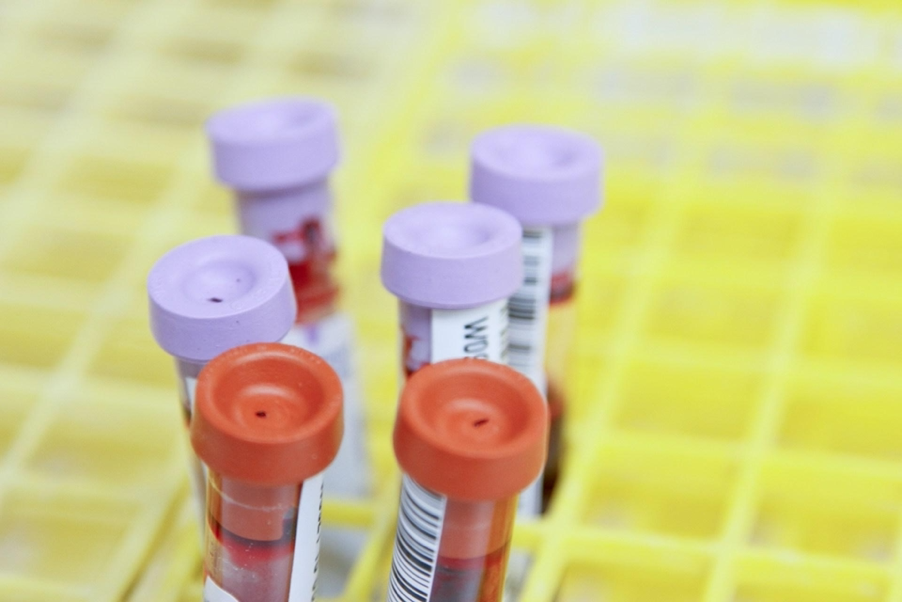
Blood tests act like a window into your body’s internal systems. While a physical exam can reveal visible symptoms, a blood test uncovers information that isn’t immediately obvious. Doctors analyze tiny samples of blood to evaluate how organs function, detect diseases early, monitor chronic conditions, and assess overall health. In many ways, a blood test works like a diagnostic dashboard—similar to the warning lights in a car that alert you before a serious breakdown occurs.
Inside your bloodstream are countless substances: glucose, hormones, enzymes, minerals, lipids, and proteins. Each of these components carries valuable information. For example, high glucose levels might indicate diabetes risk, while abnormal cholesterol levels can signal cardiovascular problems. Changes in white blood cells may reveal infections or immune system disorders.
Healthcare providers often rely on blood tests during routine checkups. According to data from the Centers for Disease Control and Prevention (CDC), millions of blood tests are performed each year in the United States alone as part of preventive care. These tests help doctors detect problems long before symptoms appear, which can dramatically improve treatment outcomes.
Another major reason blood tests matter is monitoring ongoing treatments. For patients managing conditions like diabetes, thyroid disorders, or kidney disease, regular blood tests help doctors track how well medications are working. If levels change unexpectedly, treatments can be adjusted quickly.
Blood tests also help identify nutritional deficiencies. Low levels of vitamins such as vitamin D, B12, or iron can lead to fatigue, weakness, and long-term health issues. Detecting these imbalances early allows healthcare providers to recommend dietary changes or supplements.
The accuracy of these tests, however, depends heavily on preparation. Something as simple as eating a meal can temporarily alter blood sugar, triglycerides, and other markers. That’s why some tests require fasting while others do not. Understanding this distinction ensures that results truly represent your health rather than the meal you just ate.
What is fasting for blood work?
If your healthcare provider told you to fast for blood work, it means you can’t eat or drink anything except water for a certain amount of time before the blood test. While you’re fasting, you also shouldn’t smoke, chew gum or exercise. These things can affect your digestion, which can affect your results.
We get it. Your tummy is rumbling, or you need that caffeine fix first thing in the morning. But wait just a little longer. If you eat or drink anything except water before your blood work, it can skew the results. Then, you’ll just have to repeat the process over again. Once the test is over, you’re welcome to eat and drink as you please.
Why do you have to fast for blood work?
You fast for blood work to get the most accurate picture of what’s happening inside your body. When you eat and drink, your bloodstream temporarily absorbs things like nutrients, sugars and fats. These can alter the levels of the substances the blood test is trying to measure.
Imagine fasting like giving your internal plumbing a temporary flush. By avoiding food and drinks beforehand, your healthcare provider gets a clearer baseline reading of what’s naturally circulating in your blood. This allows for a more precise measurement and a more reliable interpretation of your results.
What blood work do you need to fast for?
Not all blood tests require fasting, but some common ones that might include:
- Blood sugar (glucose) tests. These diagnose and monitor diabetes, prediabetes and gestational diabetes.
- Lipid panel. This checks cholesterol and triglyceride levels to assess heart disease risk. Fasting may not always be required, depending on the specific test and your provider’s preference.
- Basic metabolic panel (BMP). This comprehensive test looks at a range of electrolytes, blood sugar and kidney function markers.
- Gamma-glutamyl transferase (GGT) test. This liver function test may require fasting to distinguish between causes of elevated GGT levels.
Other blood tests may require fasting, so ask your provider if you aren’t sure whether you should fast before an upcoming test.
How long do you have to fast for blood work?
You typically need to fast for eight to 12 hours before a blood test, but the exact duration can vary depending on the specific test. Your healthcare provider will give you the precise fasting instructions needed to ensure accurate results.
Many people schedule their blood tests for early in the morning. That way, most of the time you spend fasting will be while you’re sleeping.
Can you drink water when fasting for blood work?
Yes, you can drink water when fasting for blood work. Healthcare providers recommend drinking water while you’re fasting for a couple of reasons:
- Hydration. Staying hydrated is important for overall health, especially before a blood test. Drinking water helps keep your veins fuller, making it easier for the phlebotomist to draw blood.
- No interference. Plain water doesn’t contain calories, sugar or other substances that can affect your blood test results.
Just be sure to stick to plain water. Avoid flavored water, sugary drinks or even water with lemon or lime added, as these can introduce substances that might alter test results.

Can you drink black coffee when fasting for blood work?
You shouldn’t drink any coffee — even black coffee — while fasting for blood work. That’s because caffeine itself has the potential to skew results. Black coffee may also contain substances that can affect certain blood test results, especially those related to sugar metabolism.
In addition, coffee is a diuretic, meaning it increases urination. This can lead to dehydration, which might make it harder to draw blood and potentially concentrate certain substances in your bloodstream, affecting test accuracy.
Can you take medicine?
Unless your healthcare provider gives you specific instructions otherwise, it’s usually safe to continue taking your prescribed medications during a fasting blood test. But make sure to ask them if you have any questions about the specific medications you take, including any over-the-counter medicines and vitamins or supplements.
What if I mess up and eat or drink?
If you eat or drink anything besides water, tell your provider before the test. The provider will want to know so they can interpret your test results correctly. They may have you reschedule the test for another time to make sure they can get accurate results.
When can I eat and drink again?
You can eat and drink again as soon as your blood is drawn. You may want to bring something along with you so you have something to eat or drink as soon as the test is done.
What else do I need to know about fasting for blood tests?
If you’re not sure if you’re supposed to fast for a blood test, ask your healthcare provider right away. That way, you’ll have time to fast. If you fast before a blood test when you didn’t need to, that can skew your results, as well. Make sure to find out for sure whether or not you need to fast.
If you have any concerns or questions about fasting instructions, don’t hesitate to reach out to the healthcare provider who ordered the test or the lab where the blood draw will take place.