
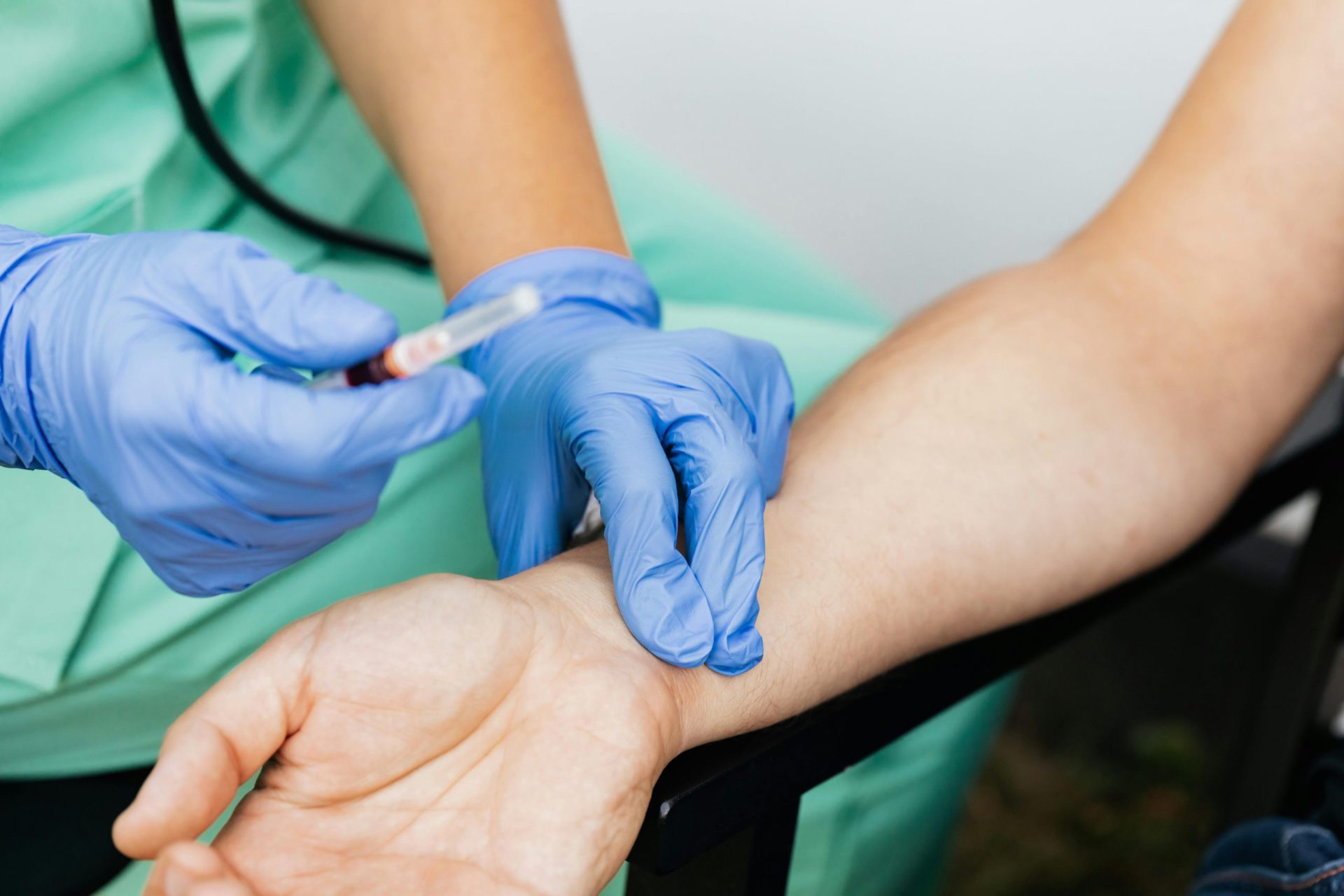
Blood draws provide a fuller picture in addiction treatment by offering objective data on a person’s overall physical health, detecting specific substance levels, identifying the root causes of symptoms, and monitoring the impact of substance use on vital organs. This comprehensive data is crucial for creating a personalized and effective recovery plan.
Addiction treatment isn’t just about stopping a substance. It’s about understanding how that substance has affected the body and what the patient needs to truly heal. Blood draws give providers a deeper look into the physical damage, chemical imbalances, and underlying issues that often hide beneath the surface. When you see the body’s internal picture clearly, the path to recovery becomes safer, faster, and far more effective.

Comprehensive Health Assessment
Organ Function: They can assess liver and kidney function, which are often compromised by chronic substance abuse, using markers like alanine aminotransferase (ALT) and aspartate aminotransferase (AST).
Nutritional Status and Deficiencies: Long-term alcohol or drug use often leads to poor nutrition. Blood tests can identify critical vitamin and mineral deficiencies (e.g., B12, folate, magnesium) that contribute to physical and mental health issues like anemia, fatigue, and cognitive problems.
Metabolic and Endocrine Function: Blood sugar (glucose) and hemoglobin A1c readings can reveal metabolic dysfunctions like prediabetes or diabetes, which are closely linked to mental health and addiction issues. They also help assess hormone levels and adrenal function (via sodium/potassium ratios), which can be impacted by chronic stress associated with addiction.
Inflammation Markers: Blood tests can show systemic inflammation, which is often present in individuals recovering from abuse of substances like alcohol, cocaine, or fentanyl.
Objective and Precise Monitoring
- Accuracy and Tamper-Proofing: Blood samples are difficult to adulterate or substitute, ensuring highly accurate and reliable results.
- Immediate Impairment Level: They can measure the precise concentration of the “parent drug” (the active substance) in the bloodstream at the time of the test, which is valuable for assessing current intoxication or impairment levels in situations like an emergency or for legal purposes.
- Biomarkers for Use Patterns: Specific biomarkers, such as phosphatidylethanol (PEth) for alcohol, can indicate recent (up to 3 weeks) or chronic heavy use patterns, which helps in guiding treatment decisions and verifying abstinence.
- Medication Management: Blood tests help determine if prescribed medications are being taken correctly and effectively by measuring their steady-state concentrations, helping to avoid issues like over- or under-medication.
Personalized Treatment and Early Intervention
Understanding the Importance of Blood Work
Blood tests go far beyond identifying the presence of drugs. They reveal how substances have impacted organs, hormones, and overall health. Compared to urine tests which are mainly used to detect recent drug use, blood work offers a long-range view into someone’s total health and recovery readiness.
Why Blood Work Matters in Recovery
Blood work matters in recovery because it shows what the body can’t communicate on its own. Addiction impacts nearly every major system liver, kidneys, hormones, immune function, and cardiovascular health and those changes often remain invisible until they’re severe. Blood tests give clinicians a clear view of how deeply substances have affected the body, which helps them build a safer and more personalized treatment plan. They reveal nutrient deficiencies that fuel anxiety or depression, track organ healing over time, and help providers adjust medications before complications occur. Most importantly, blood work acts as an early-warning system: changes in biomarkers can signal rising stress, inflammation, or relapse risk long before a behavioral sign appears. In short, blood testing isn’t just a medical formality it’s one of the most powerful tools for stabilizing patients and guiding them toward long-term recovery.
How Addiction Affects the Body
Every addiction whether alcohol, opioids, stimulants, or benzos, leaves a footprint on the body. It can damage organs, weaken the immune system, disrupt metabolism, and throw hormones completely off balance. Blood draws help pinpoint exactly where the damage is so providers can fix it early.
What Blood Tests Reveal That Others Don’t
Liver Enzyme Levels
The liver takes the hardest hit in most addictions. Blood tests can show inflammation, fatty liver, or early signs of cirrhosis before symptoms appear.
Kidney Function
Creatinine and BUN levels reveal whether toxins have built up because the kidneys aren’t filtering properly.
Cardiovascular Indicators
Addiction can cause heart strain, inflammation, or clotting issues. Blood markers can warn providers before a crisis happens.
Hormone Health
Opioids, alcohol, and stimulants can crash hormone levels affecting mood, energy, sleep, and libido.
Nutrient Deficiencies
Vitamin B12, folate, magnesium, vitamin D, and iron deficiencies are common and contribute to anxiety, fatigue, and depression.
Detecting Co-Occurring Conditions
Many people entering addiction treatment have other medical conditions some known, some unknown. Blood draws can uncover:
Thyroid disorders
Diabetes
Hepatitis
HIV
Autoimmune conditions
Severe infections
Identifying these early allows providers to treat the whole person, not just the addiction.
Monitoring Medication Levels
Medical detox and MAT (Medication-Assisted Treatment) involve powerful medications. Blood draws ensure the body is responding safely.
Ensuring Safety
Some meds require therapeutic drug monitoring to avoid overdose or toxicity.
Avoiding Dangerous Interactions
Blood levels can show whether a patient’s body is processing medication correctly.
Supporting MAT Programs
For methadone, buprenorphine, naltrexone, and other treatments—blood work helps track safety and effectiveness.
Tracking Progress Over Time
Blood draws give measurable proof of healing. As the patient recovers, biomarkers improve.
Examples include:
Lower liver enzymes
Better kidney filtration
Improved inflammatory markers
Stabilized blood sugar
Restored hormone balance
Blood work can also reveal subtle changes that suggest a relapse before a test even detects it.
Improving Personalized Treatment Plans
Addiction recovery is not one-size-fits-all. Blood tests help tailor:
Detox Plans
A patient with weak liver function may need a slower, safer detox.
Therapy Recommendations
Hormonal or nutrient imbalances can affect mood—and therapy approaches may shift based on results.
Nutritional Plans
Dietary changes or supplements can help stabilize recovery faster.
The Connection Between Blood Health and Mental Health
Mental health and blood chemistry are deeply connected.
Low vitamin D can look like depression.
Low magnesium can cause panic-like symptoms.
Anemia can mimic extreme fatigue and lack of motivation.
Understanding these markers helps providers treat mental health symptoms accurately not guess.
Say Goodbye To Waiting Rooms And Long Lines. Speedy Sticks offers at-home testing.