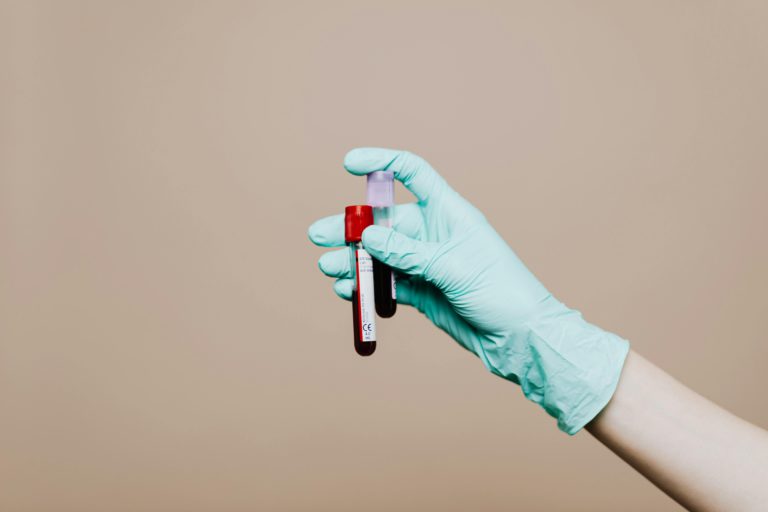


Your doctor ordered blood work, and now you’re anxious about what it might show. Here’s the irony: that anxiety could be quietly changing the very numbers you’re about to receive. Understanding how stress and anxiety affect lab results is one of the most overlooked parts of getting accurate bloodwork. It matters more than most people realize when preparing for or interpreting a panel.
What Happens in Your Body When You’re Anxious?
Anxiety triggers the body’s stress response, releasing hormones like cortisol and adrenaline that prepare you for perceived danger. Heart rate increases. Blood pressure rises. Blood sugar climbs. These are not subtle shifts: they are measurable, physiological changes that show up in blood samples.
This response is not a sign of weakness or dramatic anxiety. It can be triggered by something as ordinary as skipping breakfast, sitting in a waiting room for twenty minutes, or feeling uncertain about what the test is checking for. The body does not distinguish between a genuine threat and a routine medical appointment. It responds to the perception of stress the same way either time.
The problem is that many people arrive at a blood draw already activated. Needle anxiety and the vasovagal response that causes fainting during a blood draw are themselves products of the same cortisol spike, which means the hormonal changes that make people feel faint can alter several markers before a single vial is filled.

How Does Stress and Anxiety Affect Lab Results Specifically?
Stress and anxiety affect lab results through a direct hormonal pathway. Cortisol, released in response to anxiety, raises blood glucose, suppresses immune activity, and shifts lipid metabolism. A single anxious morning before a fasting draw can produce glucose readings that suggest prediabetes in someone who is metabolically healthy.
Beyond cortisol, anxiety also activates behaviors that compound the problem. Someone relying on self-medication to manage chronic anxiety — through alcohol, disrupted sleep, or unregulated supplements — introduces variables that show up in the blood. Liver enzymes, inflammatory markers, and hormone levels can all shift before the test even begins.
Which Tests Are Most Vulnerable to Stress?
Several common panels are particularly sensitive to acute stress and anxiety. The most affected include:
- Blood glucose: cortisol drives sugar into the bloodstream, producing elevated fasting readings
- Cortisol itself: highly variable by time of day and emotional state; a stressed draw can indicate Cushing’s syndrome in healthy individuals
- Lipid panel: acute stress raises triglycerides and can shift LDL readings
- White blood cell count: stress causes temporary leukocytosis, mimicking infection or inflammation
- Prolactin: physical and emotional stress both raise prolactin, which can suggest pituitary issues if not accounted for
- Thyroid hormones: chronic anxiety and stress suppress TSH, sometimes suggesting hyperthyroidism
None of these effects are permanent, but they are real enough to prompt unnecessary follow-up testing or misdiagnosis if the stress context is not disclosed.
Does Chronic Stress Affect Results Differently Than Acute Stress?
Acute stress, the kind felt in the waiting room, produces short-lived but sharp hormonal spikes. Chronic stress operates differently. Prolonged exposure to elevated cortisol begins to alter baseline levels of inflammation, blood sugar regulation, and immune function in ways that persist between tests.
This distinction matters when interpreting a panel. A single outlier result may reflect the anxiety of the draw itself. A pattern of elevated inflammatory markers, elevated fasting glucose, and suppressed thyroid function across multiple tests is a different matter. That kind of consistency more likely reflects what blood tests reveal about chronic stress — a longer story written into the biology, not just a snapshot of a bad morning.
What Can You Do Before a Blood Draw?
Preparation significantly reduces stress-related interference with results. The most effective steps include:
- Schedule morning appointments when cortisol is at its natural daily peak, and you can draw at a consistent time
- Follow fasting instructions precisely — deviating compounds glucose variability
- Avoid strenuous exercise for 24 hours beforehand, as physical stress mirrors emotional stress in its hormonal effects
- Disclose all supplements, medications, and alcohol use to your provider before testing
- Arrive early and rest for at least ten minutes before the draw
Mentioning anxiety to your phlebotomist or ordering provider gives them the context to interpret borderline results correctly, rather than ordering unnecessary follow-up.
What If Your Results Already Look Off?
If results come back with unexpected findings, stress and anxiety deserve consideration before assuming a clinical diagnosis. Borderline glucose, mildly elevated cortisol, or slightly abnormal inflammatory markers can all reflect the conditions surrounding the draw rather than an underlying condition. This is especially true for people who experience significant health anxiety — the act of anticipating bad news is itself a physiological event.
Understanding what happens after your blood draw, including how samples are handled, timed, and processed, adds another layer to accurate interpretation. Results are rarely the last word. A second test, taken under calmer circumstances, often tells a different story.
Your Results Tell a Story Make Sure Stress Isn’t Writing It
Blood work is only as accurate as the conditions surrounding it. Knowing how stress and anxiety affect lab results gives you real leverage. Not just to prepare better, but to have more informed conversations with your provider when something looks unusual. If anxiety is a consistent part of your life, mentioning it before a draw is not an excuse. It is useful clinical information. Schedule your next blood draw with that context in mind, and you will get results that actually reflect your health.