
Chronic diseases often creep in quietly—without loud symptoms or dramatic warning signs. Many people live with chronic illnesses for years without even realizing it. Recognizing the silent signs of chronic disease early can be the difference between manageable health and life-altering complications. In this post, we uncover the top 10 subtle symptoms that may indicate something serious is going on beneath the surface.

What Are Chronic Diseases?
Chronic diseases are long-term health conditions that typically develop slowly and persist for a year or more, often for life. They can significantly impact a person’s quality of life and often require ongoing medical attention or lifestyle adjustments. Unlike acute illnesses, which are short and sudden, chronic diseases may not have a clear cure and tend to worsen over time if not properly managed.
Examples of common chronic diseases include:
Heart disease
Diabetes
Chronic respiratory diseases (e.g., asthma, COPD)
Arthritis
Chronic kidney disease
Cancer
Hypertension
These conditions are often caused or worsened by unhealthy lifestyle habits such as poor diet, lack of exercise, smoking, and excessive alcohol consumption. Genetic factors, environmental exposures, and aging also play a role.
Can You Recover from a Chronic Illness?
While many chronic illnesses cannot be fully “cured” in the traditional sense, they can be managed effectively. The goal of treatment is to control symptoms, slow disease progression, and improve the patient’s overall well-being and quality of life.
Some people with chronic conditions go into remission—a period when symptoms are reduced or disappear. For example, people with autoimmune disorders like lupus or rheumatoid arthritis may experience flare-ups and remission cycles.
Treatment options may include:
Medication
Lifestyle changes (diet, exercise, sleep)
Surgery (in some cases)
Mental health support
Alternative therapies (e.g., acupuncture, yoga)
With the right care plan, many people live long, productive lives despite having a chronic illness.
How Do You Live With Chronic Disease?
Living with a chronic disease requires a holistic and proactive approach. The key is to develop sustainable routines, stay informed about your condition, and build a support system to help manage physical and emotional challenges.
Here are some tips to live well with chronic illness:
Follow your treatment plan: Take medications as prescribed and attend regular checkups.
Adopt a healthy lifestyle: Eat a balanced diet, exercise regularly, quit smoking, and limit alcohol intake.
Manage stress: Chronic illness can be mentally taxing. Practices like meditation, journaling, or therapy can help.
Stay educated: Learn about your condition so you can recognize symptoms early and avoid complications.
Build a support network: Connect with others—family, friends, or support groups—to avoid isolation.
Chronic disease doesn’t define you. With the right mindset and care, you can still lead a fulfilling and meaningful life.
10 Silent Signs of Chronic Disease You Should Never Ignore
1. Persistent Fatigue
Constant tiredness that doesn’t go away—even after rest—can be a key signal of many chronic illnesses, including diabetes, heart disease, or autoimmune conditions.
2. Unexplained Weight Changes
Sudden weight loss or gain, without changes to your diet or exercise, may point to thyroid disorders, diabetes, or cancer.
3. Frequent Headaches or Migraines
Recurring headaches could be related to high blood pressure, neurological disorders, or even chronic inflammation.
4. Shortness of Breath
If climbing stairs or light activities leave you breathless, it may signal early-stage heart or lung disease.
5. Digestive Problems
Chronic bloating, constipation, or diarrhea may be early signs of conditions like Crohn’s disease, celiac disease, or IBS.
6. Memory Loss or Brain Fog
Struggling to concentrate, remember things, or think clearly could indicate chronic fatigue syndrome, hormonal imbalances, or even early Alzheimer’s.
7. Skin Changes
New rashes, discoloration, or dryness might be early signs of lupus, liver disease, or other systemic conditions.
8. Mood Swings or Depression
Mental health is closely linked to chronic illness. Sudden changes in mood can be caused by thyroid issues, chronic pain, or hormonal imbalances.
9. Swelling in Hands or Feet
Edema (fluid buildup) can point to heart failure, kidney problems, or chronic venous insufficiency.
10. Slow Healing Wounds
If cuts or bruises take a long time to heal, it may signal diabetes, poor circulation, or a weakened immune system.
5 Tips to Prevent Chronic Disease
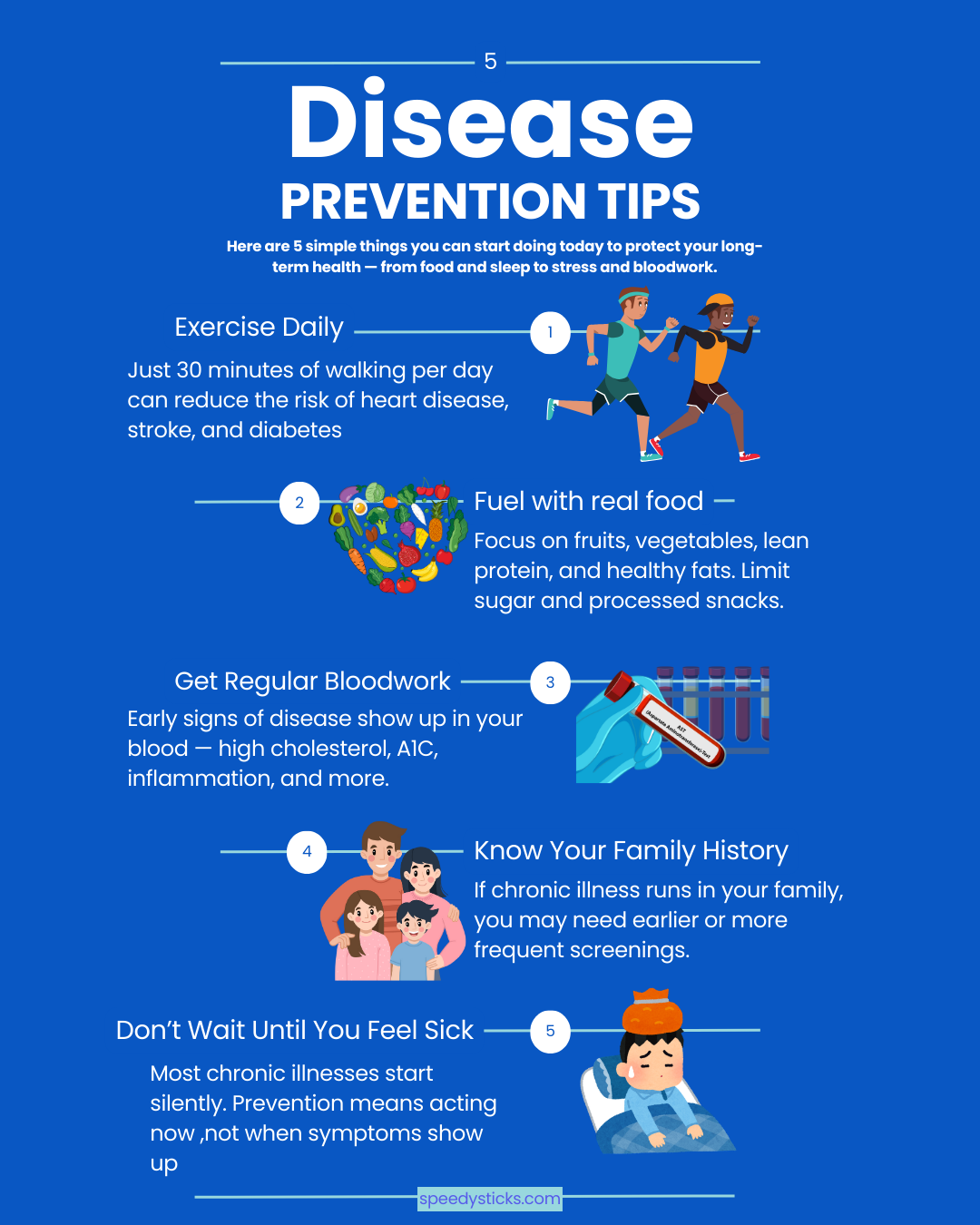
🏃♂️ Exercise Daily
Just 30 minutes of walking each day can significantly reduce your risk of heart disease, stroke, and diabetes. Movement is medicine—make it part of your routine.
🥗 Fuel with Real Food
Focus on fruits, vegetables, lean proteins, and healthy fats. Try to limit your intake of sugar and processed snacks. What you eat plays a powerful role in preventing disease.
💉 Get Regular Bloodwork
Early signs of chronic illness often show up in your bloodwork—such as high cholesterol, A1C (for diabetes), or inflammation markers. Regular checkups help catch problems before they become serious.
👨👩👧👦 Know Your Family History
If chronic illness runs in your family, you may need earlier or more frequent screenings. Awareness allows you to take preventive action before symptoms appear.
⚠️ Don’t Wait Until You Feel Sick
Most chronic diseases begin silently. Prevention means acting early, not waiting until symptoms show up. The best time to take care of your health is now.
How can I tell if my symptoms are serious?
If a symptom is persistent, unexplained, or affecting your quality of life, it’s serious enough to warrant a visit to your doctor. Keep a log of how long it’s been happening and how it affects you daily.
What’s the first step in diagnosing a chronic illness?
Start with a full physical exam and bloodwork. Your primary care physician may refer you to a specialist based on initial findings. Early diagnosis often relies on symptom tracking and routine labs.
Can lifestyle changes reverse early chronic disease?
Yes, many chronic diseases—like type 2 diabetes, hypertension, and some autoimmune conditions—can be improved or even reversed with changes in diet, exercise, stress management, and sleep.
How often should I get screened for chronic conditions?
It depends on age, family history, and risk factors. Generally, adults should get yearly checkups. If you have a family history or symptoms, screenings may need to happen more frequently.
What are the most overlooked signs of disease in young adults?
Fatigue, weight fluctuations, digestive issues, and brain fog are often dismissed in younger people. But these can be signs of autoimmune conditions, thyroid disease, or early metabolic issues.
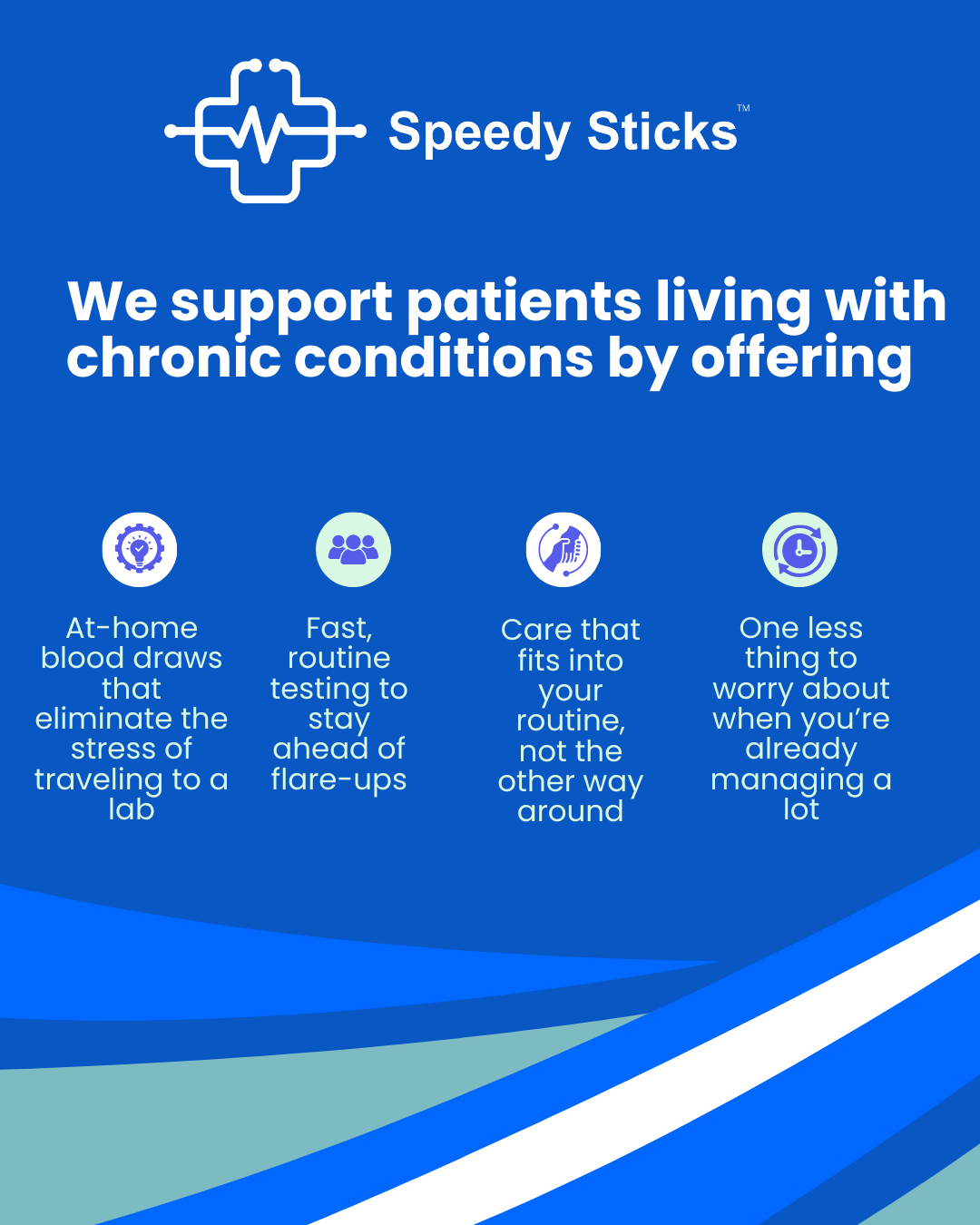
How Speedy Sticks Makes Chronic Disease Management Easier?
You shouldn’t have to rearrange your life to get lab testing. Speedy Sticks provides nationwide mobile phlebotomy services, so patients with chronic conditions can stay on top of their health — from the comfort of their home. We help patients living with chronic illness by offering:
At-home blood draws — no travel, no waiting rooms.
What Can You Test for at Home with Speedy Sticks?
We support ongoing monitoring for conditions like:
– Diabetes: A1C, Glucose, Insulin
– Heart Disease: Lipid Panel, CRP, Homocysteine
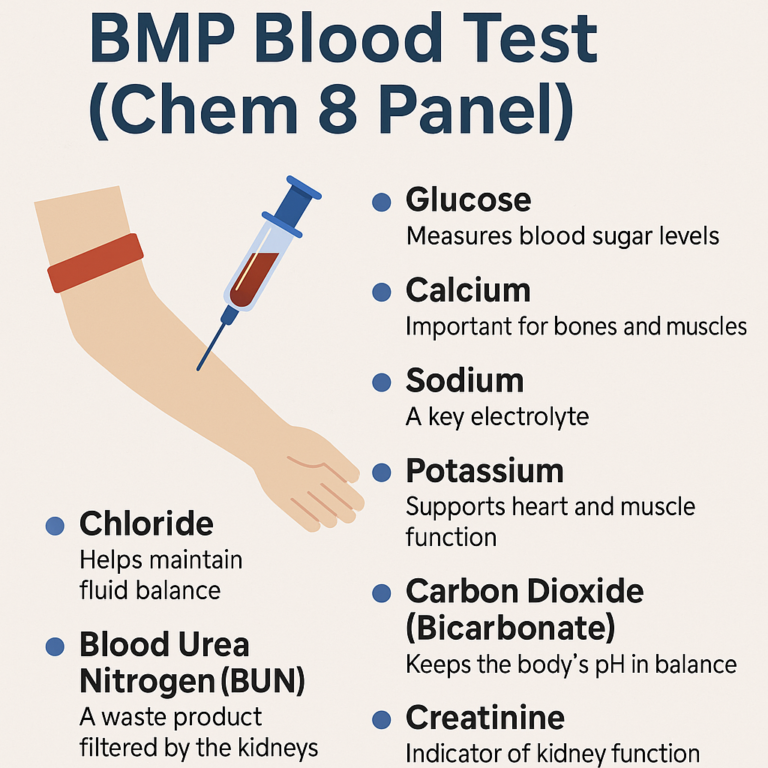
– Kidney Disease: BUN, Creatinine, eGFR
– Autoimmune: ANA, Rheumatoid Factor, Inflammation Markers
– Thyroid Disorders: TSH, Free T3/T4
– Nutrient Deficiency: Vitamin D, B12, Folate
How often should I get labs if I have a chronic condition?
Most providers recommend every 3 to 6 months, but this depends on your
diagnosis and treatment plan.
Conclusion
Your body is always talking—you just have to learn how to listen. While chronic diseases might not start with dramatic symptoms, they often begin with subtle, silent signs. Unexplained fatigue, brain fog, weight changes, and mood shifts may all seem minor, but they could be early warnings of something serious.
Don’t wait until symptoms worsen or become unbearable. Taking these signs seriously and seeking medical advice can make all the difference in early detection and better outcomes. Trust your instincts, track your health, and advocate for your well-being. Your body knows what it needs—it’s your job to pay attention.
Say Goodbye To Waiting Rooms And Long Lines. Speedy Sticks offers at-home testing.