
Feeling unusually tired once the temperatures drop? You’re not alone. Winter fatigue is real and often tied to nutrient deficiencies or underlying issues that get worse during the colder months. The good news? A simple set of blood tests can uncover the hidden causes quickly.

Why Winter Makes You More Tired?
Shorter days, less sunlight, cold temperatures, and lifestyle shifts all contribute to fatigue. But biology plays the biggest role:
Sunlight drops → Vitamin D plummets
Less movement → Sluggish metabolism
Heavier foods → Poorer energy regulation
Immune system stress → Higher nutrient demand
Often, one deficiency becomes a chain reaction — which is why testing is the fastest way to find the source.
Why are blood test’s important during winter?
Blood tests are crucial in winter to monitor factors like vitamin D levels, immune system health, and inflammatory markers. They act as a reliable tool to detect deficiencies and potential health issues in colder months, guiding individuals in making informed lifestyle and nutritional adjustments.
What specific blood tests should be prioritized for winter wellness?
Key blood tests include a Complete Blood Count (CBC) for overall health, Vitamin D level checks to address reduced sunlight exposure, thyroid function tests to ensure metabolic stability, and inflammatory markers measurement to identify and address winter-induced inflammation.
How Often Should Blood Tests be Conducted in Winter?
The frequency of blood tests depends on individual health factors. Those with chronic conditions may need more frequent monitoring. Consult your healthcare provider to establish an appropriate testing schedule.
The Role of Blood Tests in Winter Health
During winter, several factors contribute to health concerns, creating a complex interplay between environmental changes and our body’s response. These causes include:
- Vitamin D Deficiency: Reduced sunlight exposure during winter can lead to lower vitamin D levels, impacting bone health and immune function, making it essential to monitor vitamin D levels through blood tests.
- Seasonal Viral Infections: Cold weather often coincides with an increased risk of respiratory infections like flu and colds. Regular blood tests can help assess overall immune system health and detect early signs of infection.
- Insufficient Hydration: Cold temperatures may decrease the sensation of thirst, leading to inadequate fluid intake. Blood tests can highlight dehydration and its potential impact on kidney function and electrolyte balance.
- Cardiovascular Stress: Winter weather can strain the cardiovascular system, especially in individuals with pre-existing conditions. Blood tests can assess cholesterol levels, blood pressure, and other cardiovascular markers for proactive health management.
- Iron Levels: Cold weather can lead to a decrease in outdoor activities, affecting iron absorption. Blood tests check iron levels, important for preventing anemia and maintaining energy levels.
Risk Factors to Consider
Recognizing the risk factors associated with this season is crucial for effective health maintenance. Let’s delve into the key risk factors to consider:
- Fluctuating Immune Response: Cold temperatures can compromise the immune system, influencing white blood cell counts, indicating the need for blood tests in winter season.
- Respiratory Challenges: Winter aggravates respiratory conditions. Blood tests measuring inflammatory markers can help identify potential issues.
- Nutritional Deficiencies: Limited access to fresh product and reduced sunlight contribute to nutritional deficiencies. Blood tests in winter season become essential to reveal these deficiencies.
- Mental Health Impact: Winter can affect mental health, contributing to stress and depression. Blood tests in winters, measuring cortisol levels and neurotransmitters can provide valuable insights.
- Altered Metabolism: Cold weather can alter metabolism, potentially affecting blood sugar levels and lipid profiles, leading to health complications.
Taking these risk factors into account empowers individuals to health strategies, whether through regular blood tests in winter season, targeted nutritional interventions, or other preventive measures.
Blood Tests for Winter Wellness
To stay healthy during winter, it’s essential to understand the role of blood tests. From checking vitamin levels to understanding immune health, let’s explore the essential blood tests in winter that play a crucial role in ensuring your well-being during this season.
- Complete Blood Count (CBC): This test assesses overall health by measuring red and white blood cell counts. A CBC can detect infections, anemia, and other conditions exacerbated during winter, providing a comprehensive overview of your body’s internal balance.
- Vitamin D Levels: With limited sunlight exposure, checking vitamin D levels is essential. Low levels can compromise immune function and bone health, making it crucial to safeguard against winter-related deficiencies.
- Thyroid Function Tests: Cold weather can impact thyroid function. Testing thyroid hormones ensures the gland is operating optimally, preventing issues like hypothyroidism and maintaining metabolic stability.
- Inflammatory Markers: Winter illnesses often trigger inflammation. Measuring markers like C-reactive protein (CRP) helps identify underlying issues, enabling timely interventions to address inflammatory responses.
- Iron Panel: Winter diets may lack iron-rich foods. An iron panel checks for deficiencies, preventing anemia and fatigue, ensuring your energy levels remain robust even in the colder months.
- Lipid Profile: Holiday indulgences can affect cholesterol levels. Monitoring lipids aids in maintaining heart health during the festive season, offering insights into dietary impacts and facilitating adjustments for a healthier winter celebration.
- Immunoglobulins Test: Assessing immunoglobulin levels provides insights into your immune system’s strength, helping identify any deficiencies that might make you more susceptible to winter infections.
- Folic Acid or Vitamin B-12 Screening: These tests are crucial for energy metabolism and overall well-being. Deficiencies in folic acid or vitamin B-12 can lead to fatigue and other health issues, which are particularly important to address during the colder months.
- Hemoglobin A1c Test: Monitoring long-term blood sugar levels through the Hemoglobin A1c test helps manage diabetes and prevent complications. This blood test in winter season becomes vital for those at risk of or dealing with diabetes.
When to See a Doctor
Recognizing the signs that warrant medical attention is key during winter:
- Persistent fatigue that doesn’t improve with rest may necessitate a doctor visit.
- Recurrent colds or infections, especially during winter, should prompt medical advice.
- Noticeable mood changes, such as persistent sadness or lethargy.
- Difficulty breathing or worsening respiratory symptoms in cold weather necessitate immediate medical attention.
- Sudden and unexplained weight loss during winters.
- Persistent joint pain or stiffness worsened by colder temperatures may indicate an underlying issue and should be discussed with a doctor.
The Essential Winter Fatigue Blood Panel
Vitamin D (25-OH Vitamin D) The #1 Winter Deficiency
Sun exposure is the main source of Vitamin D, and during winter most people fall dangerously low — causing fatigue, muscle weakness, low mood, and weakened immunity.
Optimal level: 40–60 ng/mL
What low D feels like: Always tired, achy, depressed, low motivation.
Vitamin B12 Critical for Energy & Nerve Function
Low B12 is extremely common in winter, especially in people who eat less meat or have absorption issues.
Symptoms: Brain fog, fatigue, tingling, poor focus
Risk groups: Vegans, vegetarians, people 40+
Iron Panel + Ferritin — Hidden Anemia Check
Ferritin is your stored iron. Low ferritin can destroy energy levels even if your hemoglobin looks normal.
Winter issue: Heavier cycles + low Vitamin D = sudden ferritin drops.
Tests to include:
Ferritin
Iron
TIBC
Hemoglobin/Hematocrit
Thyroid Panel (TSH, Free T4, ± Free T3)
Thyroid hormones naturally fluctuate with temperature changes. Winter can unmask borderline hypothyroidism.
Symptoms: Weight gain, cold intolerance, fatigue, hair shedding.
CBC (Complete Blood Count)
A baseline check for anemia, infection, inflammation, and overall energy capacity.
If your CBC is off, fatigue is often the first sign.
CMP (Comprehensive Metabolic Panel)
Checks electrolytes, kidney, and liver function to rule out metabolic fatigue.
HbA1c — Winter Glucose Control
Holiday carbs + less movement make winter a hotspot for prediabetes symptoms:
Afternoon crashes
Sugar cravings
Energy swings
A1c shows your 90-day blood sugar trend.
Magnesium + Zinc
These essential minerals tank in winter and are key for:
Sleep
Muscle recovery
Immune function
Energy production
Deficiencies cause wired-but-tired exhaustion.
Optional but Highly Helpful:
CRP (inflammation)
Testosterone / Estradiol (hormonal fatigue)
Cortisol (stress-related fatigue)
Vitamin B6 & Folate
What These Tests Can Reveal
These markers catch hidden causes like:
Seasonal depression
Thyroid dysfunction
Early anemia
Nutrient malabsorption
Chronic stress
Blood sugar dysregulation
Most people discover multiple deficiencies they would never have known about.
How to Fix Winter Fatigue Fast: The Action Plan
Once your results come back, the solutions are usually straightforward:
If Vitamin D is low:
Increase supplementation + morning sunlight exposure.
If ferritin or iron is low:
Boost iron intake, pair with Vitamin C, and look for root causes.
If thyroid numbers shift:
Early treatment prevents long-term thyroid damage.
If B12 is low:
Oral or injectable B12 quickly restores energy.
If A1c is elevated:
Winter carb-management + light exercise make a big difference.
Why At-Home Blood Testing Is Best in Winter
Winter makes clinic visits harder:
Shorter days
Cold mornings
Packed waiting rooms
Higher flu exposure
At-home collection avoids all of that — and gets you answers fast.
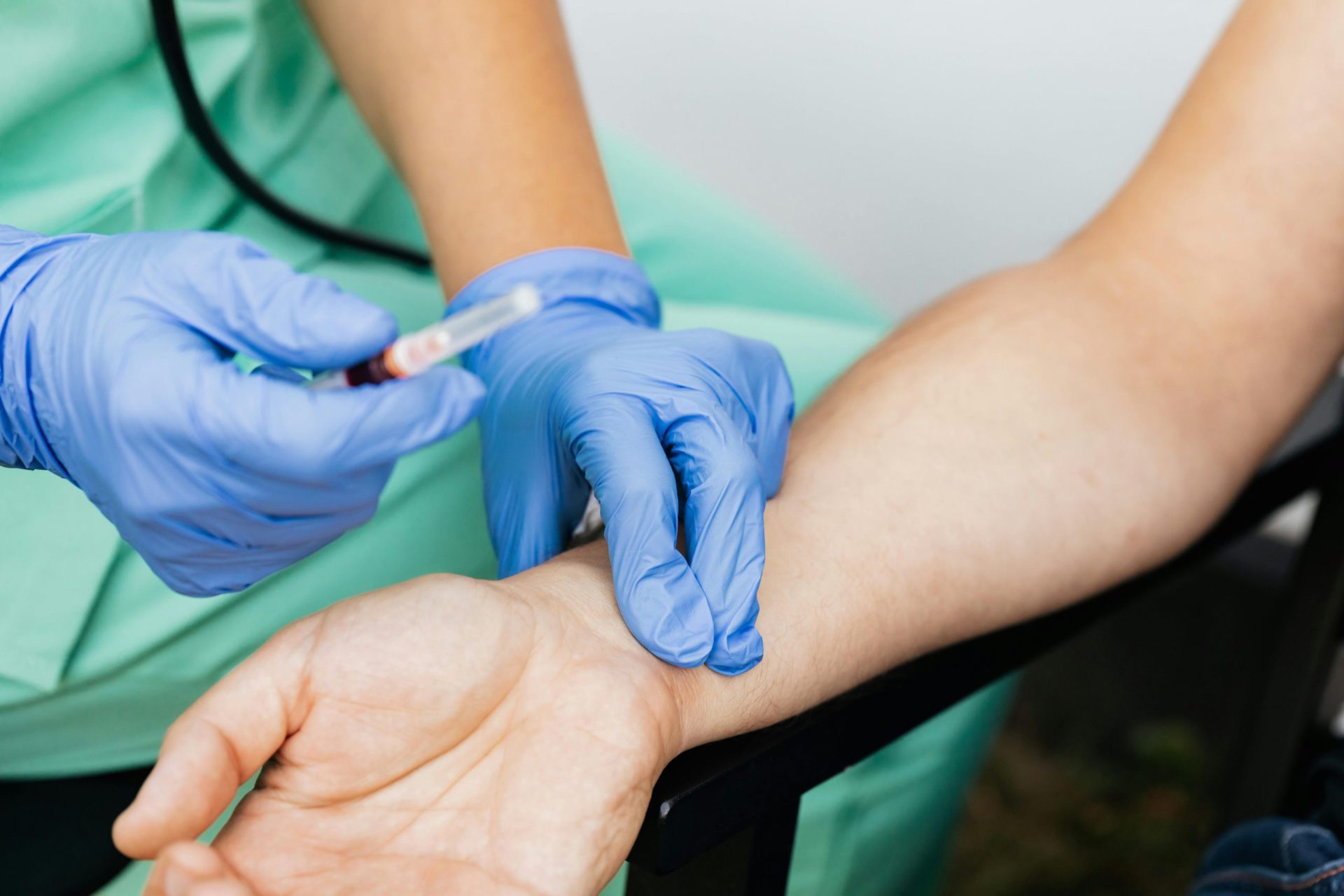
Speedy Sticks brings a certified phlebotomist to your home and delivers results securely, usually faster than traditional clinics.
When to Book a Winter Fatigue Test
You should get tested if you have:
Constant tiredness
Low motivation
Feeling cold all the time
Hair shedding
Afternoon crashes
Brain fog
Low mood
Sleep problems
Or if you haven’t had bloodwork in 6–12 months.
Why am I more tired in the winter even if I sleep enough?
Winter reduces sunlight exposure, lowers Vitamin D levels, slows metabolism, and increases inflammation — all of which drain energy. Hidden deficiencies are one of the most common causes.
Which blood test is most important for winter fatigue?
Vitamin D (25-OH) is the #1 test. Most adults become deficient in winter, leading to low energy, muscle weakness, and mood changes.
Can low ferritin cause fatigue even if my iron levels look normal?
Yes. Ferritin is your iron storage, and low ferritin can cause severe fatigue long before anemia shows up on routine labs.
How fast can I get results from these tests?
Most panels return results in 24–72 hours, depending on the lab. At-home collections typically speed up the process.
How often should I check these markers in winter?
Once at the start of winter and once mid-season is ideal — especially for Vitamin D, B12, thyroid, and ferritin.
Conclusion
Winter fatigue is more than just feeling sleepy — it’s often your body signaling nutrient deficiencies, thyroid changes, or metabolic stress brought on by shorter days and less sunlight. Testing markers like Vitamin D, B12, ferritin, thyroid hormones, and glucose gives you a clear picture of what’s happening internally. With the right labs and early intervention, you can prevent months of unnecessary exhaustion and stay energized all winter long. At-home phlebotomy makes it easier than ever to get answers quickly and safely.
Say Goodbye To Waiting Rooms And Long Lines. Speedy Sticks offers at-home testing.