
Are you considering hormone replacement therapy (HRT) as a man? HRT involves using synthetic hormones to supplement or replace naturally occurring hormones in your body. It can offer a range of benefits, including increased energy, improved libido, and better mental clarity. However, it’s important to weigh the potential risks as well.
How Does Hormone Replacement Therapy for Men Work?
Hormone replacement therapy (HRT) for men involves using synthetic hormones to supplement or replace naturally occurring hormones in the body. The most commonly replaced hormone is testosterone, which declines naturally with age.
HRT works by supplementing the body with synthetic testosterone through injections, gels, patches, or pellets. The synthetic testosterone mimics the body’s natural testosterone and can alleviate symptoms such as fatigue, decreased libido, and mood changes. It can also help prevent conditions associated with low testosterone, such as osteoporosis.
However, it’s important to note that HRT is not a one-size-fits-all solution and should be tailored to each individual’s unique needs. Hormone levels should be monitored regularly to ensure they are within a healthy range and that the treatment is effective.
Common Signs and Symptoms of Low Testosterone in Men
Testosterone is a crucial hormone for male development and physical health. As men age, testosterone levels naturally decline, which can lead to a range of symptoms:
- Fatigue and low energy levels
- Decreased libido and sexual dysfunction
- Loss of muscle mass and strength
- Increased body fat
- Mood changes, such as depression and irritability
- Difficulty concentrating and memory problems
- Sleep disturbances, such as insomnia or excessive sleepiness
- Decreased bone density and increased risk of fractures
If you’re experiencing any of these symptoms, speak with your healthcare provider. They can determine if low testosterone levels are the cause and recommend appropriate treatment options, such as hormone replacement therapy (HRT) or lifestyle changes.
Types of Hormone Replacement Therapy for Men
There are several types of hormone replacement therapy (HRT) available for men, including:
- Testosterone injections: Administered by a healthcare provider, typically every two to four weeks.
- Testosterone gels or patches: Applied topically to the skin daily.
- Testosterone pellets: Small pellets inserted under the skin every few months.
- Clomiphene citrate: An oral medication that can stimulate the body to produce more testosterone.
Each type of HRT has its own advantages and disadvantages, and the best option depends on individual needs and preferences. A healthcare provider can help determine the most appropriate type of HRT and develop a treatment plan tailored to each individual’s needs.
It’s important to note that HRT may not be appropriate for everyone and can carry certain risks and side effects. Before starting HRT, it’s important to discuss any health concerns and medications with a healthcare provider to determine if HRT is right for you.
Understanding Testosterone Levels and Hormone Testing
- Normal testosterone levels range from 300 to 1000 ng/dL, but the optimal range varies among individuals.
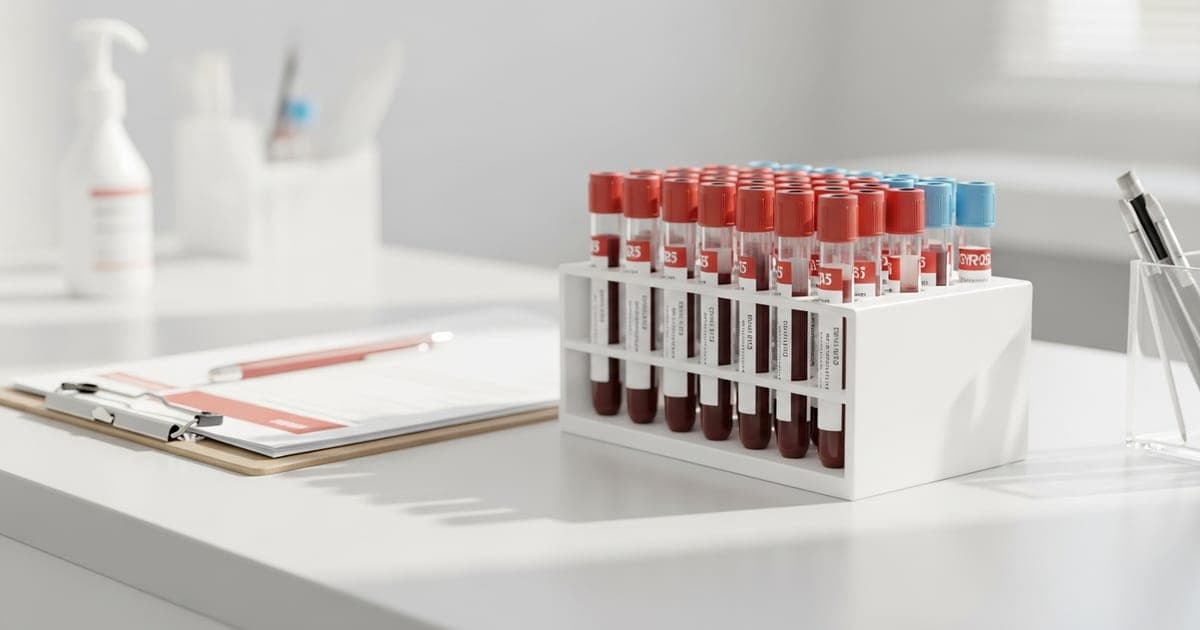
- Hormone testing, usually done through a blood test, can determine if testosterone levels are low and help determine the cause.
- Hormone testing may include measuring other hormones such as LH and FSH to determine the underlying cause of low testosterone.
- Multiple tests may be necessary to confirm low testosterone levels, and medication and health conditions can affect hormone levels.
- Hormone testing can provide valuable information for men experiencing symptoms of low testosterone, and a healthcare provider can interpret the results and develop a tailored treatment plan.
Benefits of Hormone Replacement Therapy for Men
Hormone Replacement Therapy (HRT) for men can provide a range of benefits, particularly for men with hypogonadism or low testosterone levels. Here are some of the potential benefits of HRT for men:
Increased energy: HRT can help improve energy levels and reduce feelings of fatigue and lethargy.
Improved sexual function: HRT can help improve libido, increase sexual desire, and improve erectile function.
Increased muscle mass: Testosterone replacement therapy can help increase muscle mass and strength, particularly when combined with exercise.
Improved bone density: HRT can help improve bone density and reduce the risk of osteoporosis and fractures.
Improved mood: HRT can help improve mood and reduce symptoms of depression and anxiety.
Improved cognition: HRT may improve cognitive function, particularly in areas such as spatial memory and verbal fluency.
Reduced risk of anemia: HRT can help reduce the risk of anemia, a condition characterized by low levels of red blood cells.
It’s important to note that the benefits of HRT will vary depending on the individual’s medical history, age, and other factors. HRT should only be used under the supervision of a qualified healthcare provider and should be regularly monitored for safety and effectiveness.
Risks and Side Effects of Hormone Replacement Therapy for Men
Hormone replacement therapy (HRT) for men comes with potential risks and side effects, including:
- Increased risk of blood clots and stroke
- Increased risk of heart disease
- Increased risk of prostate cancer
- Breast enlargement or tenderness
- Acne or oily skin
- Fluid retention
- Mood changes, such as irritability and anxiety
- Sleep apnea
It’s important to discuss the risks and benefits of HRT with a healthcare provider before starting treatment. Regular monitoring of hormone levels and overall health is also necessary to ensure the treatment is safe and effective. If you experience any concerning symptoms while undergoing HRT, such as chest pain or shortness of breath, seek medical attention immediately.
How to Get Started with Hormone Replacement Therapy for Men
To get started with hormone replacement therapy (HRT) for low testosterone, follow these steps:
- Talk to your healthcare provider to determine if HRT is appropriate for you based on your symptoms and hormone levels.
- Get your hormone levels tested with a blood test.
- Discuss treatment options with your healthcare provider to determine which one is best for you.
- Follow the treatment plan provided by your healthcare provider, which may include regular monitoring of hormone levels.
- Monitor for potential side effects or complications and report any concerning symptoms to your healthcare provider.
Remember, HRT may not be appropriate for everyone, so it’s important to discuss the risks and benefits with your healthcare provider before starting treatment.
Alternative Options for Boosting Testosterone Naturally
While hormone replacement therapy (HRT) can be an effective treatment option for low testosterone, some men may prefer to try natural methods first. Here are some alternative options for boosting testosterone levels:
- Exercise: Regular exercise can help increase testosterone levels, especially strength training and high-intensity interval training (HIIT).
- Diet: Eating a balanced diet that includes protein, healthy fats, and complex carbohydrates can help support testosterone production.
- Sleep: Getting adequate sleep is important for maintaining healthy hormone levels, including testosterone.
- Stress management: Chronic stress can lower testosterone levels, so managing stress through techniques like meditation or yoga can be helpful.
- Supplements: Certain supplements, such as vitamin D, zinc, and magnesium, may help support healthy testosterone levels.
It’s important to note that natural methods may not be as effective as HRT and should not be used as a substitute for medical treatment. Additionally, some supplements may have side effects or interact with medications, so it’s important to discuss any supplements with a healthcare provider before use.
What to Expect During Hormone Replacement Therapy for Men
Starting hormone replacement therapy (HRT) for men can be a big decision, but knowing what to expect can help ease any anxiety or uncertainty. Here are some things to keep in mind:
Treatment duration: The length of treatment can vary depending on the individual, but most men will undergo HRT for several months or even years.
Types of treatment: HRT for men can include testosterone injections, patches, gels, pellets, or oral medications.
Monitoring: Your healthcare provider will monitor your hormone levels and adjust your treatment as necessary.
Side effects: Common side effects of HRT for men can include acne, mood swings, and changes in libido. Your healthcare provider can help manage any side effects.
Benefits: Some men may notice improved energy, mood, and sexual function after starting HRT. However, it’s important to have realistic expectations and understand that results may vary.
It’s important to communicate openly with your healthcare provider throughout the HRT process and report any concerns or side effects promptly. With proper monitoring and management, HRT can be a safe and effective treatment option for low testosterone in men.
Frequently Asked Questions about Hormone Replacement Therapy for Men
Q: Who is a good candidate for hormone replacement therapy for men? A: Men who have low testosterone levels and are experiencing symptoms like fatigue, low libido, and mood changes may be good candidates for HRT. However, it’s important to discuss your individual health history with your healthcare provider to determine if HRT is right for you.
Q: Is hormone replacement therapy safe for men? A: When done under the supervision of a healthcare provider, HRT for men can be a safe and effective treatment for low testosterone. However, like any medical treatment, there are potential risks and side effects that should be discussed with your healthcare provider.
Q: How is hormone replacement therapy administered for men? A: HRT for men can be administered through injections, patches, gels, pellets, or oral medications. The type of administration and dosage will be determined by your healthcare provider based on your individual needs.
Q: How long does hormone replacement therapy last for men? A: The length of treatment can vary depending on the individual and their specific situation. Some men may undergo HRT for several months, while others may continue treatment for several years.
Q: What are the benefits of hormone replacement therapy for men? A: Benefits of HRT for men can include improved energy, mood, and sexual function. However, it’s important to have realistic expectations and understand that results may vary.
Q: What are the potential risks and side effects of hormone replacement therapy for men? A: Common side effects of HRT for men can include acne, mood swings, and changes in libido. More serious risks can include blood clots and prostate cancer, but these risks are rare and can be managed with proper monitoring and management by a healthcare provider.
Q: How do I get started with hormone replacement therapy for men? A: The first step is to discuss your individual health history and symptoms with a healthcare provider. They can perform hormone testing and determine if HRT is right for you. From there, they can prescribe the appropriate type and dosage of HRT and provide ongoing monitoring and management.