
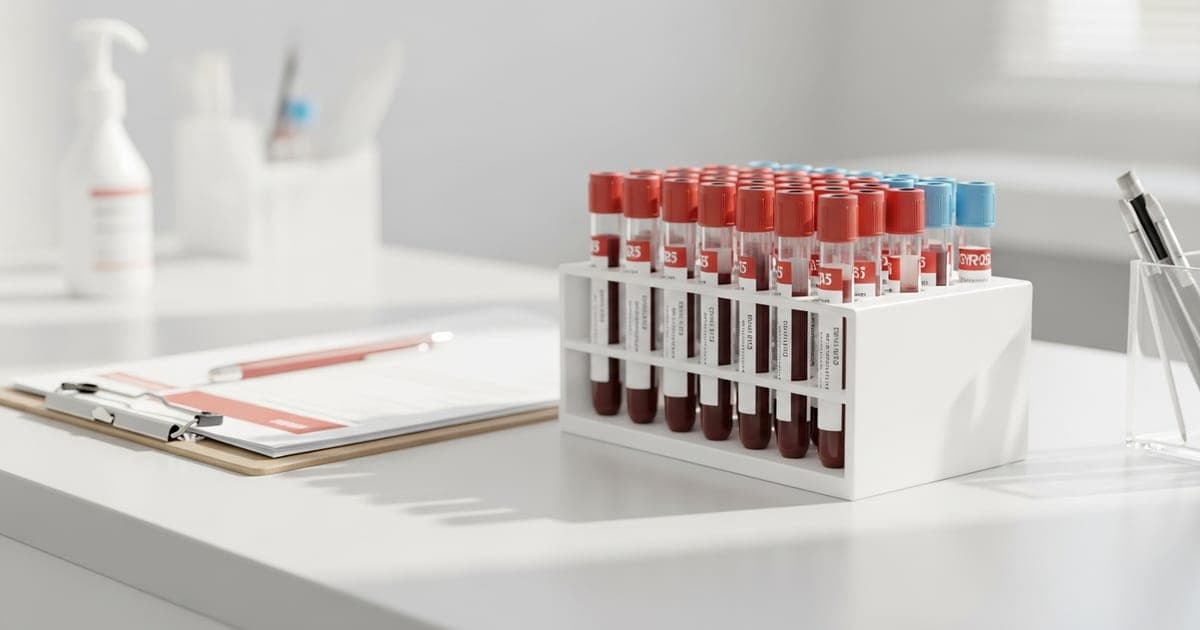
Urine toxicology, also called urine drug testing, detects drugs, medications, or toxins in a urine sample. It is one of the most widely used testing methods in healthcare, workplace safety, addiction treatment, and forensic investigations. The test is non-invasive and provides a detection window of hours to several days depending on the substance.
Why urine toxicology is used
Urine toxicology serves several distinct clinical and legal purposes. Each setting has different requirements for collection, confirmation, and documentation.
Healthcare
In clinical settings, urine toxicology monitors medication compliance, detects drug misuse, and identifies potential drug interactions. It also guides treatment decisions in pain management and psychiatric care programs.
Addiction treatment
Urine testing is a core component of drug rehabilitation programs. It helps providers monitor patients for relapse and verify adherence to prescribed medications. Results guide individualized treatment adjustments.
Workplace safety
Industries such as transportation and construction require regular drug testing to protect workers. Pre-employment panels, random testing, and post-accident screening are all common applications. SAMHSA and DOT rules govern testing in federally regulated industries.
Forensic investigations
Urine toxicology supports post-mortem examinations and criminal cases. It establishes whether drugs or toxins were present at a specific time, providing evidence for legal proceedings.
What urine toxicology detects
- Drugs of abuse — opioids, cocaine, amphetamines, marijuana, benzodiazepines
- Prescription medications — opioids, stimulants, sedatives, antidepressants
- Alcohol metabolites — EtG and EtS detect alcohol consumption up to 80 hours prior
- Environmental toxins — heavy metals, industrial chemicals, occupational exposures
How urine toxicology is conducted
Testing follows a two-step process. An initial immunoassay screen identifies presumptive positives quickly and at low cost. Any positive screen is then confirmed by gas chromatography–mass spectrometry (GC/MS), which identifies specific compounds with high specificity. A positive result without GC/MS confirmation is not accepted for employment or legal purposes under SAMHSA or DOT guidelines.
Accuracy and limitations
Urine toxicology is highly accurate when the chain of custody is followed and GC/MS confirmation is performed. Limitations include false positives from cross-reactive substances on immunoassay panels — ibuprofen has been documented to cross-react on some marijuana panels. Detection windows also vary by substance, dose, and individual metabolism. Urine testing reflects past exposure, not current impairment.
Monitoring medication compliance
Patients on long-term opioid therapy, benzodiazepines, or stimulants may be asked to provide urine samples at clinic visits. These tests confirm that the patient is taking prescribed medications and not diverting them. They also detect use of substances not included in the current medication plan.
Frequently asked questions
Is urine toxicology the most accurate method for detecting drug use?
It is the most common method, but not always the most accurate for every purpose. Blood testing is more accurate for recent exposure; hair testing offers a longer detection window. Choose the method based on the purpose and timeframe.
Can urine toxicology detect all drugs?
Standard panels screen for common drug classes — opioids, cocaine, amphetamines, marijuana, benzodiazepines. Drugs not included in the panel will not be detected. Extended panels or targeted assays can add specific substances when clinically indicated.
Blood-based toxicology and therapeutic drug monitoring can be collected at home through mobile phlebotomy.
Sources and further reading
Blood-Based Toxicology Monitoring at Home
For patients needing regular blood-based drug monitoring, Speedy Sticks can coordinate home collection — same certified lab, documented chain-of-custody.
Book a visit →