★★★★★
“Pamela was fantastic — calm, clean, professional yet warm. Exactly what you want for an at-home blood draw.”
Verified patient
Miami, FL
★★★★★ A+ BBB Rated • Nationwide Mobile Phlebotomy
Mail-in kits still need a professional draw. We provide mobile phlebotomy for kit workflows with packaging guidance and carrier-ready handoff.
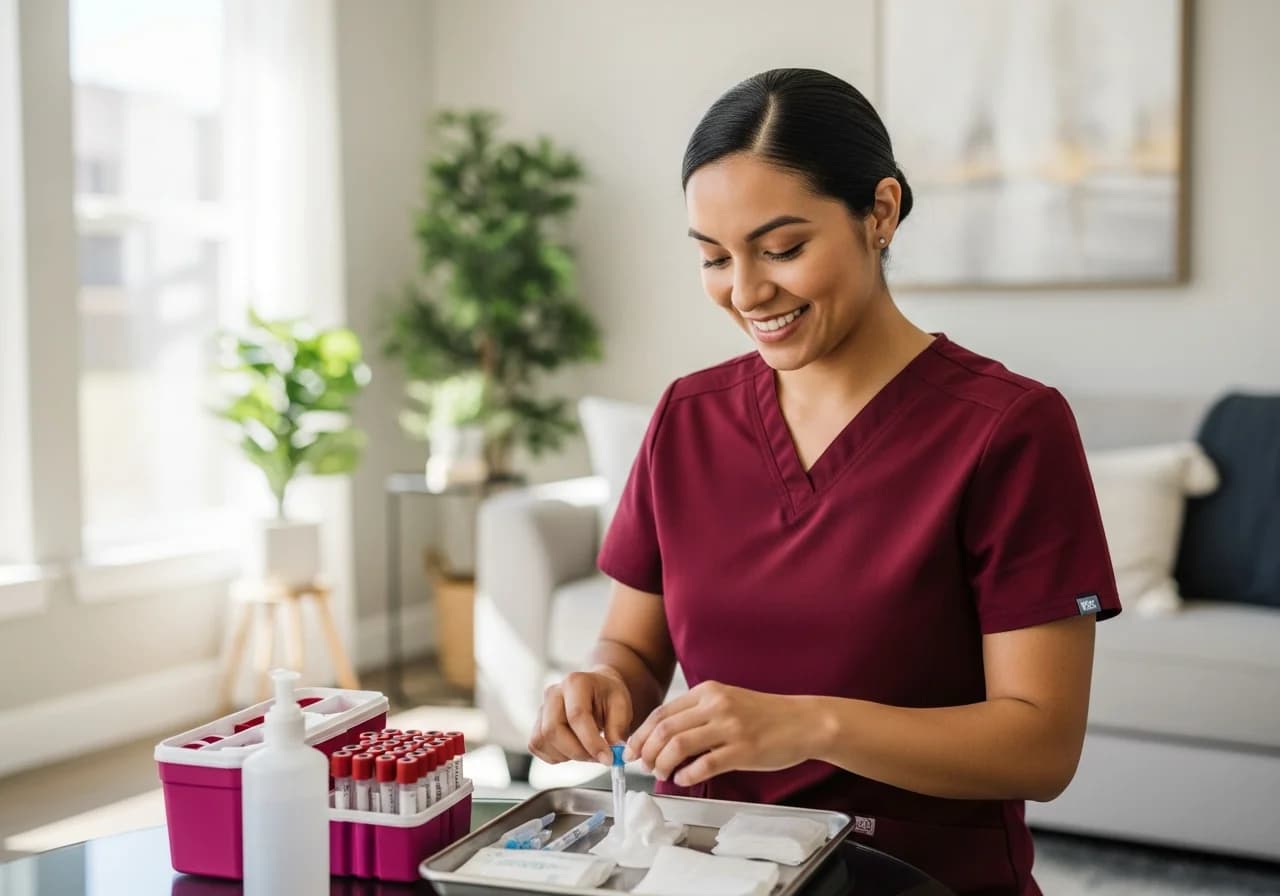
Want patients to collect capillary samples at home, with a phlebotomist as backup? See capillary collection programs →
The process
From booking to lab handoff — the whole at-home blood draw, start to finish.
< 3 min
to complete booking
Choose a time window, add your requisition or kit reference, and confirm. We handle the rest from there.
Live ETA
tracked to your door
You get notified the moment we're on the way. Identity and lab order are verified on arrival.
10–15 min
average visit time
Best-practice venipuncture, lab-specific tube order and handling, chain of custody started at first stick.
Done.
your part is finished
Specimens are packaged within stability windows and delivered to your designated lab. Full chain-of-custody end to end — nothing more required from you.
Why Speedy Sticks
Certified phlebotomists operating across major U.S. metros and expanding markets.
Standardized labeling, chain-of-custody documentation, and routing tuned to your downstream lab.
Arrival windows that work around your day — patients, employers, and provider teams.
Collection protocols aligned to order requirements so results are not delayed upstream.
Process
Simple, professional, and designed around your schedule — not ours.
Book your visit
Schedule online with your lab requisition, program instructions, or kit details so we can match the right workflow.
Phlebotomist arrives
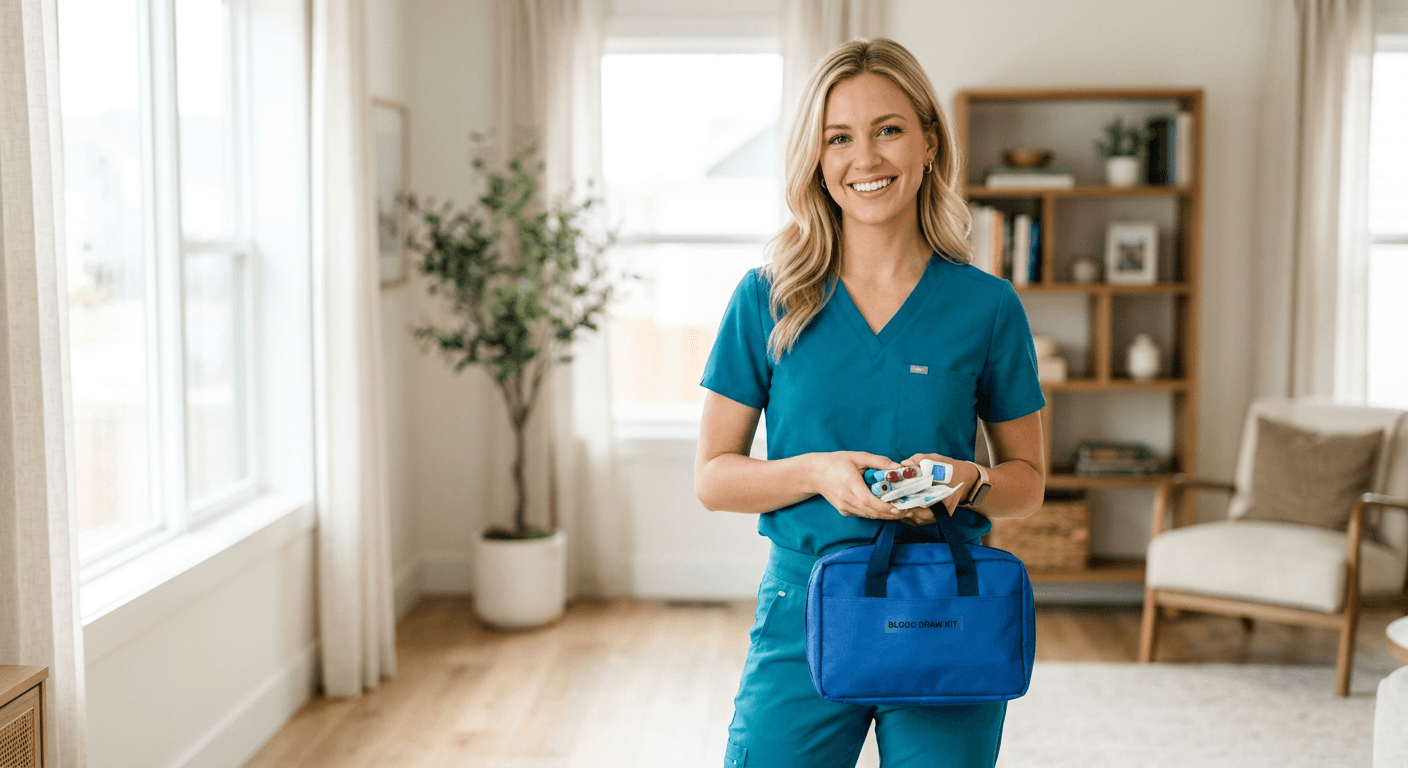
A certified collector arrives in your scheduled window, verifies identity and orders, and prepares tubes per protocol.
Collection & lab handoff
We follow venipuncture best practices and lab-specific handling, then route your specimen with full chain-of-custody documentation.
Patient reviews
“Pamela was fantastic — calm, clean, professional yet warm. Exactly what you want for an at-home blood draw.”
Verified patient
Miami, FL
“Valerie was wonderful and very gentle. She gave me all the information I needed and made the process completely stress-free.”
Verified patient
Los Angeles, CA
“I was nervous about a home blood draw, but the phlebotomist was so professional. I will never go back to a lab waiting room.”
Verified patient
New York, NY
Mail-in and partner lab kits are designed for professional collection — not self-collection. Kit tubes have specific stability windows, volume requirements, and order-of-draw rules that affect result accuracy. A certified phlebotomist ensures
Correct tube selection and fill volumes per the kit protocol
CLSI-compliant order of draw across multi-tube panels
Immediate labeling and mixing per manufacturer instructions
Packaging and carrier-ready handoff within the required stability window
Cold-chain handling when the kit includes temperature-sensitive analytes
Kit collection errors — under-filled tubes, incorrect draw order, delayed packaging — are leading causes of specimen rejection. Professional home collection eliminates these risks.
Speedy Sticks supports kit collection for a wide range of programs
Direct-to-consumer health platforms that ship kits to patients
Functional and precision medicine labs ordering specialty panels via mail-in kit
Clinical trial and research programs with decentralized participant collection
Hormone, micronutrient, and longevity panels from specialty reference labs
Patients receive guidance at booking on how to prepare their kit materials. The phlebotomist confirms kit instructions on arrival, performs the draw, and packages specimens per the carrier and lab requirements. Contact us to discuss volume, kit types, and program integration.
Speedy Sticks provides mobile phlebotomy for kits across major U.S. cities and expanding regional markets.
Explore availability in:
For teams
Clinics, labs, research teams, and employers use Speedy Sticks to extend collection capacity without sacrificing protocol fidelity. API integration, bulk scheduling, and compliance documentation included.
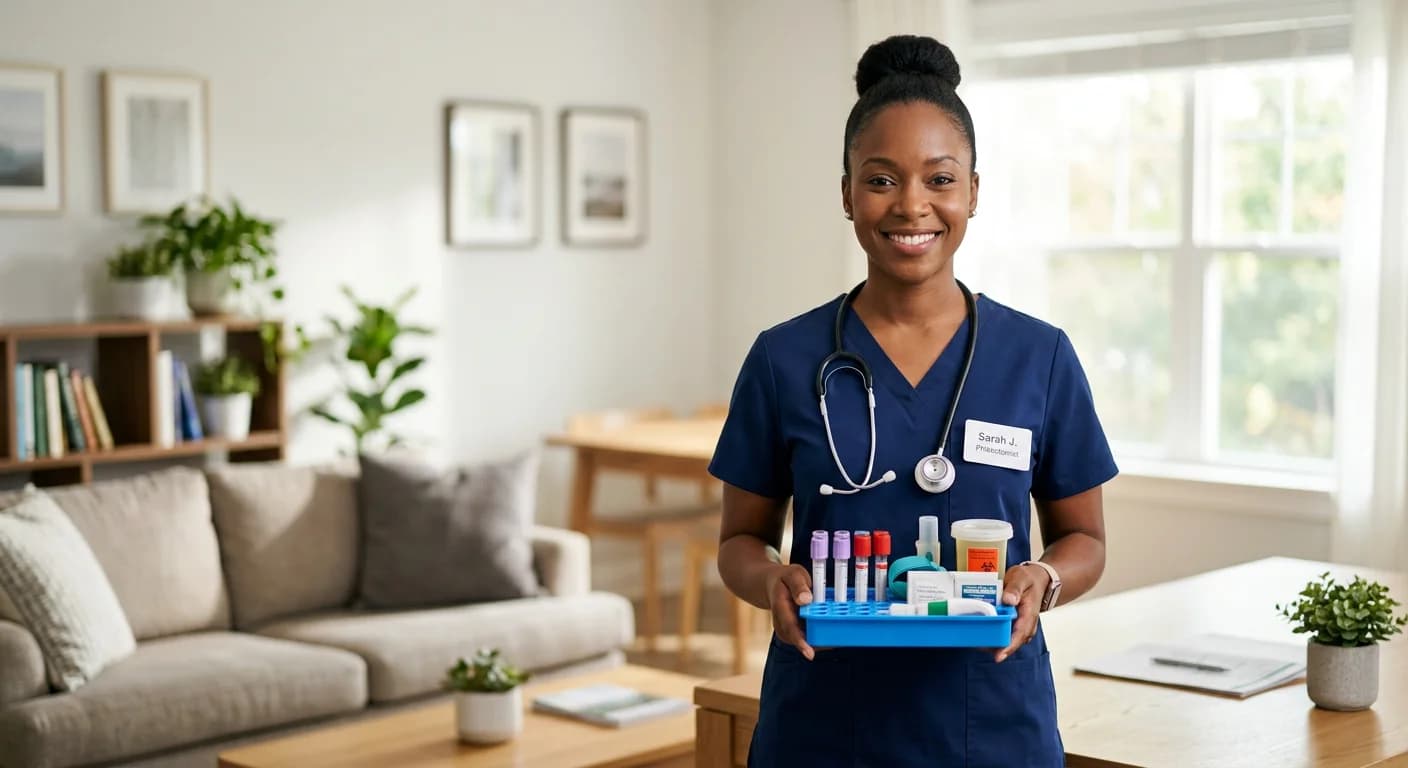
When you choose Speedy Sticks for mobile phlebotomy for kits, certified phlebotomists collect specimens at your home, office, or chosen location using clinician-directed protocols and the same handling standards as a traditional draw site—with nationwide routing across major U.S. metros.
Jump to the primary mobile phlebotomy hub, adjacent programs, or our locations directory — same nationwide routing for patients, providers, and labs.
Education and lab navigation from the Speedy Sticks blog.
See it in action
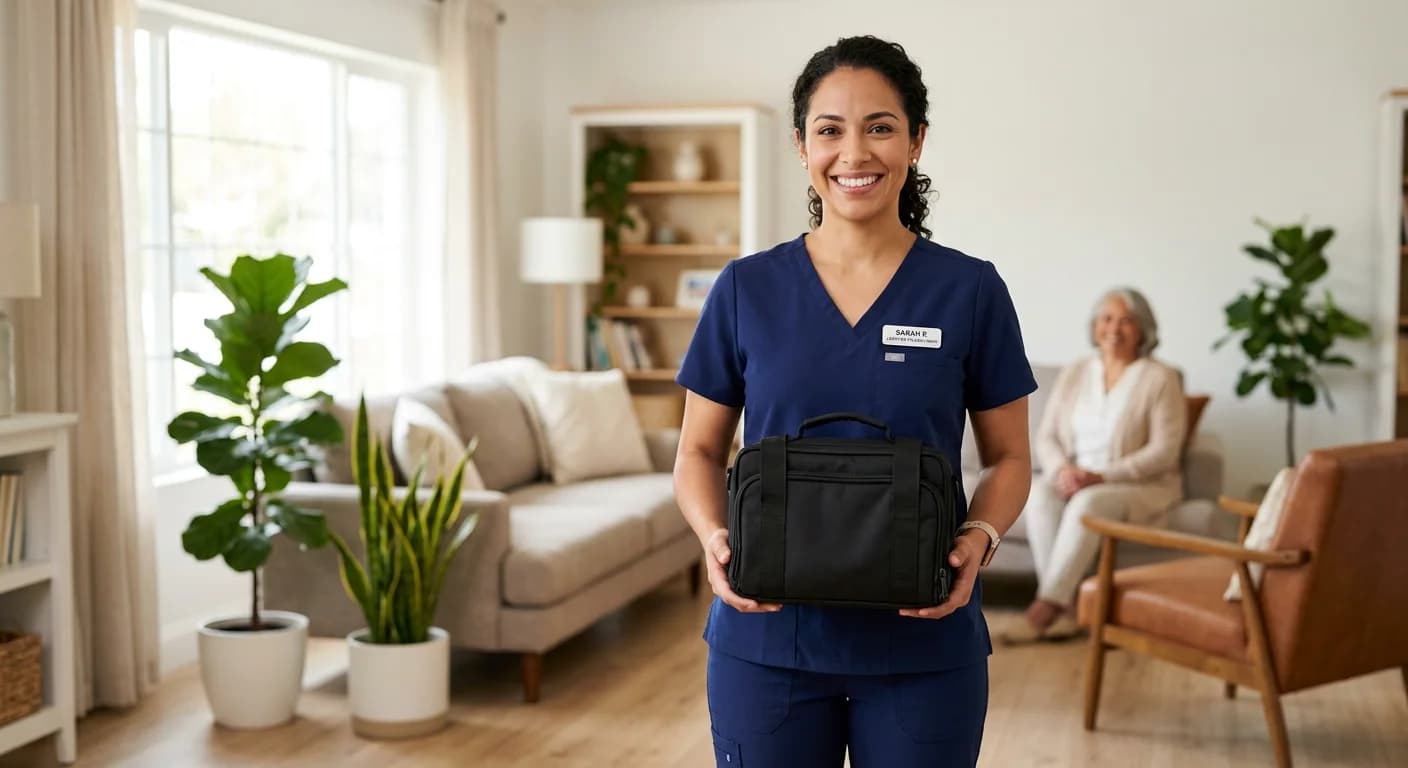
Your certified phlebotomist arrives at your door with everything needed — no lab visit, no waiting room. Watch how simple it is.
Straight answers on coverage, orders, timing, and logistics.
Yes. Speedy Sticks provides nationwide mobile phlebotomy for kits across major U.S. cities and expanding regional markets—book online to confirm availability for your address.
Read the full answer