
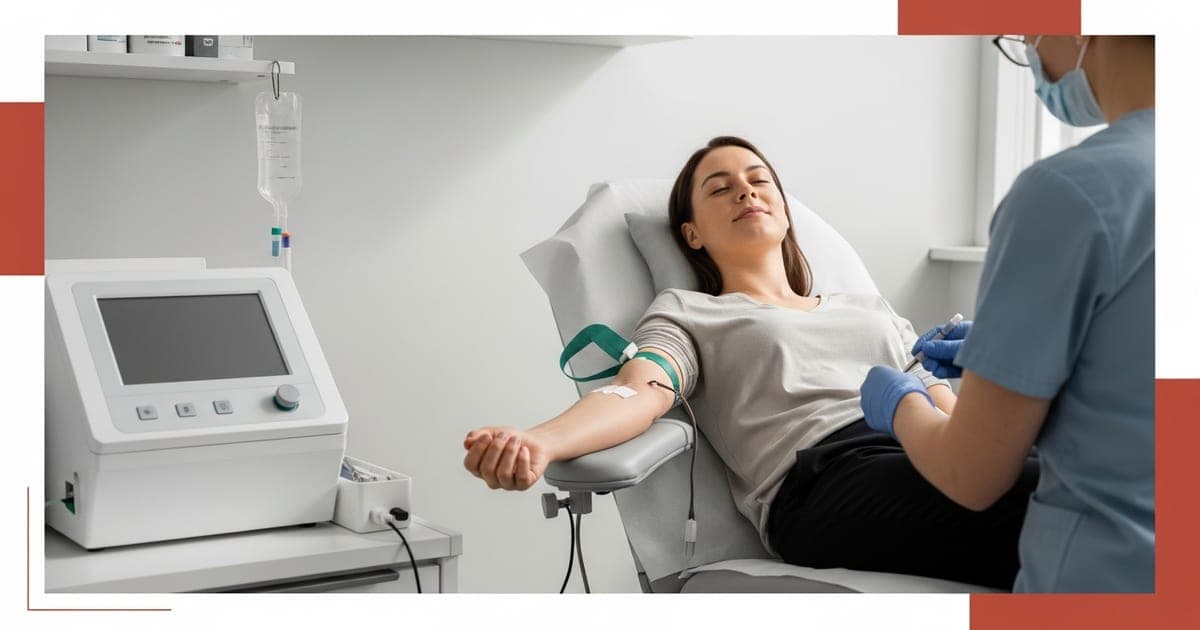
A butterfly needle — also called a winged infusion set — is a short, thin-gauge needle (typically 21–23 gauge) attached to flexible plastic tubing, used for blood draws from small, fragile, or difficult-to-access veins. It is the preferred needle for pediatric patients, elderly patients with thin or rolling veins, and anyone with a history of difficult draws. The flexible wings provide a stable, low-angle grip and the tubing prevents tube weight from displacing the needle mid-collection.
Phlebotomy, the process of drawing blood for medical testing or transfusion, is a crucial aspect of healthcare. It requires skilled professionals to ensure accurate sample collection while minimizing patient discomfort.What are Butterfly Needles?
When it comes to drawing blood, butterfly needles, also known as winged infusion sets, are often the preferred choice due to their delicate nature and versatility. These small, thin-walled needles with attached flexible tubing are designed to minimize pain and discomfort during the blood collection process. Butterfly needles consist of a short needle connected to a plastic hub, which is then attached to a flexible tubing with a connector. The hub often features small “wings” that aid in stabilization during needle insertion. This design allows for greater control, especially in delicate situations where fragile veins or smaller blood vessels are involved.Advantages of Butterfly Needles in Phlebotomy
Reduced Pain and Discomfort
One of the primary advantages of using butterfly needles is their ability to reduce pain and discomfort during the blood collection process. The small gauge and thin needle walls minimize tissue trauma, making the procedure more tolerable for patients, particularly those with sensitive or fragile veins.Improved Blood Flow Control
Butterfly needles offer better control over the blood flow during phlebotomy. The attached tubing provides a means to regulate the speed and volume of blood collection, allowing healthcare professionals to accurately collect the required amount without causing unnecessary hematomas or delays.Suitable for Fragile Veins
In cases where patients have fragile veins, such as the elderly or individuals with certain medical conditions, butterfly needles prove invaluable. These needles are less likely to cause vein collapse or damage, ensuring a successful blood draw even in challenging situations.Types of Butterfly Needles
Winged Infusion Sets
The most commonly used butterfly needles are winged infusion sets. They feature small “wings” or tabs on the hub that can be grasped during needle insertion, providing better stabilization. Winged infusion sets are available in various gauges and lengths to accommodate different patient needs and vein sizes.Scalp Vein Sets
Scalp vein sets, as the name suggests, are specifically designed for venipuncture in the scalp region, commonly used in pediatric phlebotomy. These sets feature a shorter needle and are often secured with adhesive to ensure proper placement.Safety Butterfly Needles
To enhance safety and reduce the risk of needlestick injuries, safety butterfly needles are available. These needles incorporate features such as a retractable needle or a shielding mechanism that helps protect both the patient and the healthcare professional during needle removal.How to Choose the Right Butterfly Needle
Choosing the appropriate butterfly needle is crucial to ensure successful phlebotomy and patient comfort. Consider the following factors when selecting a butterfly needle:Gauge and Length Considerations
The gauge and length of the needle should match the patient’s vein condition and the required blood sample volume. Smaller gauge numbers indicate larger needle diameters, and longer needles may be necessary for deeper veins or obese patients.Needle Angle and Bevel Orientation
Proper needle insertion technique is essential for successful blood collection. The angle and bevel orientation of the needle play a significant role in minimizing patient discomfort and maximizing successful venipuncture.Safety Features
In settings where safety is a concern, opting for butterfly needles with built-in safety features can help prevent needlestick injuries. These safety mechanisms are designed to shield the needle once it is removed from the patient, reducing the risk of accidental pricks.Proper Techniques for Using Butterfly Needles
To ensure safe and accurate phlebotomy using butterfly needles, healthcare professionals should follow proper techniques:Preparation and Sterilization
Before starting the blood collection process, ensure that all necessary equipment is sterilized and ready for use. This includes the butterfly needle, collection tubes, antiseptic wipes, and gloves. Maintaining a sterile environment helps prevent infection and other complications.Site Selection and Vein Assessment
Carefully assess the patient’s veins to identify the most suitable site for venipuncture. The veins should be visible, accessible, and free from complications such as thrombosis or inflammation. Selecting the appropriate vein ensures a smoother and more successful blood draw.Insertion and Blood Collection Process
Once the site is selected, gently insert the butterfly needle into the vein, paying attention to the needle angle and bevel orientation discussed earlier. Secure the needle in place using the wings or adhesive, and then connect the tubing to the collection tubes. Slowly withdraw blood, ensuring proper flow control throughout the process.Butterfly Needles for Special Cases
Butterfly needles are particularly beneficial in special cases where standard phlebotomy techniques may be challenging. Let’s explore a few scenarios:Pediatric Phlebotomy
Drawing blood from pediatric patients can be a delicate task. The small size and fragility of their veins require extra care and precision. Butterfly needles, with their smaller gauges and shorter lengths, offer a better option for pediatric phlebotomy, reducing discomfort and the risk of complications.Geriatric Phlebotomy
The elderly often have fragile veins due to age-related changes or underlying health conditions. Using butterfly needles ensures gentler venipuncture, minimizing the chances of bruising, hematomas, or vein damage.Patients with Difficult Veins
Certain medical conditions, such as chronic illnesses or repeated medical procedures, can make veins difficult to access. In such cases, butterfly needles prove invaluable, as their design allows for improved control and successful blood collection even from challenging veins.Care and Safety Precautions
Proper care and safety precautions are necessary when using butterfly needles:Disposal and Needlestick Injury Prevention
After use, dispose of butterfly needles in designated sharps containers to prevent accidental needlestick injuries. Healthcare professionals should follow proper disposal protocols and take necessary precautions to minimize the risk of injury or contamination.Maintenance and Storage
Ensure that butterfly needles are stored in a clean and dry environment to maintain their sterility and integrity. Follow manufacturer guidelines for maintenance, such as replacing worn-out or damaged needles, and inspect the packaging for any signs of tampering or expiration.Are Butterfly Needles suitable for all patients?
While butterfly needles are generally suitable for most patients, individual vein conditions and medical considerations may require alternative methods. Consult with a healthcare professional to determine the most appropriate approach.Can Butterfly Needles be used for blood transfusions?
Yes, butterfly needles can be used for blood transfusions, especially in situations where smaller veins are involved. However, the specific requirements and guidelines may vary depending on the healthcare facility and the patient’s condition.Do Butterfly Needles cause more bruising compared to other methods?
When used correctly, butterfly needles should not cause more bruising than other phlebotomy techniques. The delicate nature of butterfly needles actually reduces the risk of tissue trauma and bruising.Can butterfly needles be reused?
Butterfly needles are designed for single-use and should not be reused. Using a new, sterile needle for each blood draw minimizes the risk of infection and contamination.Are butterfly needles available in different sizes?
Yes, butterfly needles come in various sizes, including different gauges and lengths. Healthcare professionals can choose the appropriate size based on the patient’s vein condition and the required blood sample volume.Conclusion
Butterfly needles play a vital role in medical phlebotomy by providing a delicate yet efficient solution for blood collection. Their advantages, including reduced pain and discomfort, improved blood flow control, and suitability for fragile veins, make them an invaluable tool in healthcare settings. By understanding the types, selection criteria, proper techniques, and safety precautions associated with butterfly needles, healthcare professionals can ensure successful blood draws while prioritizing patient comfort and safety.Butterfly Needles and Mobile Blood Draws
A butterfly needle — also called a winged infusion set — is a short, thin-gauge needle (typically 21–23 gauge) attached to flexible plastic tubing, used for blood draws from small, fragile, or difficult-to-access veins. It is the preferred needle for pediatric patients, elderly patients with thin or rolling veins, and anyone with a history of difficult draws. The wings provide a stable, low-angle grip and the flexible tubing prevents tube weight from displacing the needle mid-collection.
Sources and further reading
Difficult Veins? Our Phlebotomists Use Butterfly Needles
Speedy Sticks phlebotomists are trained in butterfly technique for pediatric, elderly, and rolling-vein patients. Better control, less discomfort — at your home.
Book a visit →