
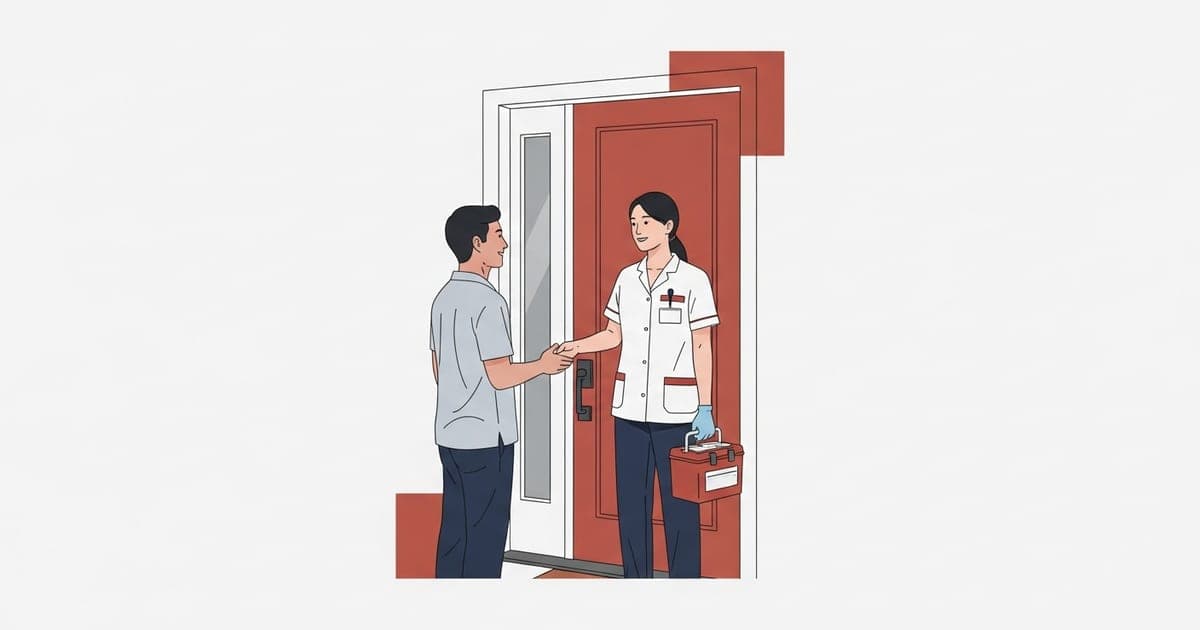
Child phlebotomy at home is a mobile blood collection service in which a certified phlebotomist comes to your home, school, or caregiver location to draw your child’s blood instead of your family going to a laboratory or clinic. The phlebotomist brings all necessary equipment, follows the clinician’s lab order, and transports the specimens to the appropriate lab for processing.
For families with young children, children with anxiety or special needs, or children who have had traumatic clinic experiences, at-home phlebotomy is often a meaningfully different experience than a commercial lab visit.
Who can order a home blood draw for a child
A valid clinician order or lab requisition is required for every blood draw, regardless of where it occurs. For pediatric patients, the ordering provider is typically:
- A pediatrician or family medicine physician
- A pediatric specialist (endocrinologist, hematologist, nephrologist, neurologist, or similar)
- A nurse practitioner or physician assistant practicing in a pediatric setting
The requisition specifies the tests to be run, the laboratory that will process the specimens, and any special preparation requirements (fasting, timing, patient preparation). Your phlebotomist follows the requisition exactly — they do not modify orders, substitute tests, or draw panels that are not on the order.
Parents cannot order blood draws directly without a clinician order in most states. If your child needs labs and you do not yet have an order, contact your child’s pediatrician or specialist first.
When home phlebotomy is the right choice for a child
At-home child phlebotomy is appropriate for most routine pediatric lab panels — complete blood counts, metabolic panels, thyroid panels, iron studies, lead levels, genetic panels drawn by blood, and similar orders. It is particularly valuable when:
- Your child has significant anxiety or a history of difficult draws at a clinical setting
- Your child has a developmental or sensory condition (autism, ADHD, sensory processing disorder) that makes clinical environments overwhelming
- You have a child with a chronic condition that requires frequent blood monitoring and the burden of repeated clinic trips is significant
- Your child is homebound or medically complex and travel to a lab is logistically difficult or medically inadvisable
- You have multiple young children and a clinic visit is logistically difficult
How to book a home phlebotomy appointment for a child
When you schedule, have the following information ready:
- Your child’s name, date of birth, and date of the lab order
- The name of the ordering provider and the laboratory the specimens should go to
- A copy of the lab requisition (you can photograph or scan it)
- Any preparation instructions from the clinician (fasting requirements, timing, etc.)
- Your child’s relevant medical history (difficult veins, bleeding disorders, any prior sedation for procedures)
When booking, tell us about your child’s temperament, any previous difficult experiences with blood draws, and any accommodations that help — preferred lighting, noise sensitivity, whether they need time to warm up to a new person, or whether they have a specific comfort object or distraction strategy that works. The more we know, the more useful the visit will be.
What the phlebotomist does during a child’s home visit
The phlebotomist arrives with a portable kit containing collection tubes, needles appropriate for pediatric draws, bandages, antiseptic supplies, specimen labels, and a cooler or transport container for the specimens. The visit typically follows this sequence:
- Greeting and settling. The phlebotomist introduces themselves, reviews the lab order with the parent, and gives the child a brief, calm explanation of what will happen. There is no rush to begin immediately — a minute of settling time is normal and often productive.
- Positioning. Younger children typically sit on a parent’s lap. Older children may sit in a chair with a parent nearby. The phlebotomist selects the draw site based on vein visibility and accessibility.
- The draw. The stick is brief — the needle is in place for only as long as it takes to fill the ordered tubes, typically under three minutes for most routine panels.
- Post-draw care. The phlebotomist applies pressure and a bandage, waits to confirm the bleeding has stopped, labels and packages the specimens, and completes any required paperwork before departing.
Plan for a fifteen to twenty-five minute visit. There is no schedule pressure — a home visit is dedicated time, not a queue.
Caregiver’s role during the draw
A parent or legal guardian must be present throughout the entire visit for any minor patient. Your role during the draw is to provide physical and emotional support — hold your child’s free hand, keep your voice calm, and engage them in whatever distraction is working. Do not try to look at the draw site yourself if doing so makes you anxious; your emotional state directly affects your child’s.
If the draw cannot be safely completed due to vein inaccessibility, excessive distress, or safety concerns, the phlebotomist will end the visit. Applicable fees may still apply when an attempt was made. Your clinician can advise on next steps — which may include rescheduling with sedation preparation, or a referral to a pediatric clinical setting with child-life specialists.
Schedule At-Home Phlebotomy for Your Child
A certified mobile phlebotomist comes to your home with all equipment. Bring the provider's lab order and your child's insurance information. Results go directly to the ordering provider.
Sources and further reading
How to prepare for a child's home phlebotomy visit
Preparation improves the odds of a successful draw and makes the experience less stressful for both child and parent:
- Hydrate your child before the visit. Even if the test requires fasting, water is always permitted. Hydrated veins are larger, more visible, and easier to access. Have your child drink at least one glass of water in the hour before the appointment.
- Apply topical numbing cream if your pediatrician prescribed it. EMLA (lidocaine/prilocaine) cream applied to the inner elbow 45–60 minutes before the draw reduces needle pain significantly. Ask your child's pediatrician at the appointment when the lab order is placed.
- Have the lab order ready. Your child's clinician provides a lab requisition — either a paper form or an electronic order number. The phlebotomist needs this to correctly label the collection tubes and direct specimens to the right lab.
- Choose a comfortable draw space in advance. A couch, kitchen table, or bed where your child is at ease works well. Clear enough space for the phlebotomist to set up their kit. Good overhead lighting helps.
- Bring a distraction tool. A tablet showing your child's favorite show, a fidget toy, or a stuffed animal they can squeeze are all effective. Visual and tactile distraction during the draw meaningfully reduces perceived pain in children.
What to expect for infants and toddlers
Very young children require modified technique and positioning:
- Infants (under 12 months): For small blood volumes (a few drops), a heel stick may be used. For standard venous panels, the saphenous vein at the ankle or an antecubital vein is used, typically with a 23–25 gauge butterfly needle. Sucrose solution (sugar water) is sometimes used as a comfort measure during infant draws.
- Toddlers (1–3 years): The child sits on the parent's lap facing away from the draw site. The parent wraps their arms firmly around the child's body and free arm, while the phlebotomist stabilizes the draw arm. This position is safer and calmer than having the child lie on a surface.
- Preschoolers (3–5 years): Benefit from brief verbal preparation ("the band will squeeze your arm, then a quick sting"). EMLA cream is particularly helpful at this age when applied beforehand.
When a home draw is medically appropriate vs. when to go to a clinical setting
Most routine pediatric lab orders — CBC, metabolic panel, thyroid, lead level, allergy panels, prenatal screens for pregnant teens — can be safely collected at home. However, some situations benefit from a clinical setting:
- Very high-risk draws in infants under 6 months with small, difficult veins may benefit from a NICU or hospital phlebotomy setting with more specialized equipment
- Children requiring sedation for a draw need a clinical setting with monitoring capability
- Unusual tube types, specialized temperature requirements, or short time-to-process windows (some coagulation studies) may need confirmation that your mobile service can meet those requirements
Your child's clinician can advise if the specific lab order has any requirements that would affect home collection feasibility.
Pediatric Blood Draws at Home
A pediatric-experienced phlebotomist comes to your home with butterfly needles and child-adapted technique. Bring the provider's lab order — we handle the rest.
Book a visit →