
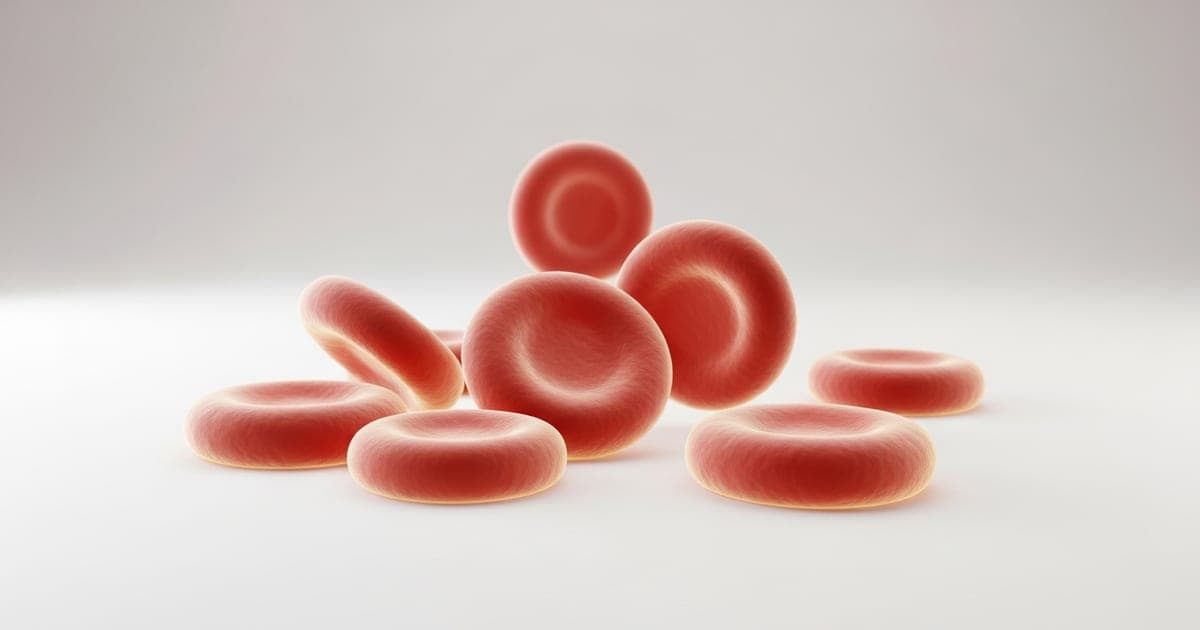
If you searched for "MVC in bloodwork," you almost certainly mean MCV — Mean Corpuscular Volume. MCV is a standard value on every complete blood count (CBC) and one of the most clinically useful red blood cell indices. It tells your doctor the average size of your red blood cells — a critical clue in diagnosing anemia and several other conditions.
MCV Reference Ranges
| MCV Level | Range (fL) | Interpretation | Most Common Causes |
|---|---|---|---|
| Low (microcytic) | <80 fL | Red blood cells smaller than normal | Iron-deficiency anemia, thalassemia, anemia of chronic disease |
| Normal | 80–100 fL | Normal cell size | N/A (normal range) |
| High (macrocytic) | >100 fL | Red blood cells larger than normal | B12 deficiency, folate deficiency, alcohol use, hypothyroidism, medications (methotrexate, hydroxyurea) |
Adult reference range: 80–100 fL. Values may differ slightly by laboratory.
What Is MCV?
MCV stands for Mean Corpuscular Volume — the average volume (size) of a single red blood cell, measured in femtoliters (fL). It is calculated automatically by hematology analyzers from the CBC. Normal range for adults is typically 80–100 fL, though reference ranges vary slightly by lab. Red blood cells need to be exactly the right size to function properly — cells that are too small cannot carry enough hemoglobin; cells that are too large may be structurally abnormal with a shorter lifespan.
What Does a Low MCV Mean? (Microcytic Anemia)
An MCV below 80 fL means your red blood cells are smaller than normal (microcytic). The most common causes:
- Iron deficiency anemia: the most common cause of low MCV worldwide. Without enough iron, hemoglobin production falls and red blood cells come out small and pale. Associated findings include low ferritin, low serum iron, and high TIBC.
- Thalassemia: a genetic disorder affecting hemoglobin chain production. Thalassemia minor often produces a very low MCV with a near-normal hemoglobin — a pattern that differs from iron deficiency. Diagnosed by hemoglobin electrophoresis.
- Anemia of chronic disease (late stage): inflammatory conditions (RA, IBD, chronic kidney disease) can eventually produce microcytic anemia after prolonged iron sequestration.
- Sideroblastic anemia: disorders where iron is incorporated abnormally into red blood cell precursors. Can be hereditary or acquired (alcohol, lead poisoning, certain medications).
What Does a High MCV Mean? (Macrocytic Anemia)
An MCV above 100 fL means your red blood cells are larger than normal (macrocytic). Common causes:
- Vitamin B12 deficiency: B12 is essential for DNA synthesis in developing red blood cells. Without it, cells grow larger but cannot divide normally. Common with pernicious anemia, strict vegetarian diets, or certain GI conditions. Symptoms include fatigue, tingling, and memory problems.
- Folate (vitamin B9) deficiency: plays the same role in DNA synthesis as B12. Common in alcoholism, poor diet, pregnancy, and with certain medications (methotrexate, phenytoin). Unlike B12 deficiency, folate deficiency does not cause neurological symptoms.
- Alcohol use: alcohol has a direct toxic effect on red blood cell production independent of nutritional deficiency. One of the most common causes of macrocytosis in clinical practice — MCV elevation often precedes abnormal liver enzymes.
- Hypothyroidism: low thyroid hormone impairs red blood cell production and can cause mild macrocytosis.
- Medications: hydroxyurea, methotrexate, azathioprine, and antiretrovirals (especially zidovudine/AZT) are commonly associated with macrocytosis.
What Does a Normal MCV With Anemia Mean?
If your MCV is in the normal range but hemoglobin or hematocrit is low, your anemia is classified as normocytic. Common causes include anemia of chronic disease (early stage), acute blood loss, hemolytic anemia, kidney disease (insufficient erythropoietin), and aplastic anemia.
MCV Alone Is Not a Diagnosis
MCV is a clue, not a final answer. Your doctor will interpret it alongside hemoglobin and hematocrit, MCH and MCHC (hemoglobin content and concentration per cell), RDW (Red Cell Distribution Width — how variable the sizes are), reticulocyte count, and ferritin, B12, and folate levels.
Get Clear Results With Convenient At-Home Labs
A CBC with differential — including MCV — is one of the most frequently ordered blood panels. Speedy Sticks can collect your CBC sample at home and route it to your chosen lab. Book a visit to get your bloodwork done without leaving home.
This content is for informational purposes only and is not a substitute for professional medical advice.
MCV alongside other CBC red cell indices
MCV is most useful when read with the other red cell indices automatically reported on every CBC:
- MCH (Mean Corpuscular Hemoglobin) — the average amount of hemoglobin per red blood cell, in picograms (pg). Normal: 27–33 pg. Low MCH tracks closely with low MCV in iron deficiency; high MCH is seen with macrocytic anemias. Occasionally MCH is low with a normal MCV in early iron deficiency before cell size decreases.
- MCHC (Mean Corpuscular Hemoglobin Concentration) — how densely packed hemoglobin is within each cell. Normal: 32–36 g/dL. Low MCHC (hypochromic) strongly suggests iron deficiency. Very high MCHC (above 36) can be an artifact from cold agglutinins or hereditary spherocytosis.
- RDW (Red Cell Distribution Width) — measures how variable red blood cell sizes are within the sample. Normal: 11.5–14.5%. High RDW means the cells vary a lot in size (anisocytosis). Combining MCV and RDW narrows the differential considerably:
| MCV | RDW | Most Likely Diagnosis |
|---|---|---|
| Low | High | Iron deficiency anemia (early to moderate) |
| Low | Normal | Thalassemia trait (uniform small cells) |
| Normal | High | Early mixed deficiency or early iron/B12 deficiency |
| Normal | Normal | Anemia of chronic disease; acute blood loss |
| High | High | B12 or folate deficiency; mixed deficiency |
| High | Normal | Alcohol use, liver disease, hypothyroidism, medications |
Dimorphic anemia: when MCV looks normal but isn't
One of the most commonly missed patterns is dimorphic anemia — a simultaneous deficiency of both iron (which drives MCV down) and B12 or folate (which drives MCV up). The two opposing forces cancel each other out, producing an MCV in the normal range. The RDW is typically very high, reflecting the coexistence of both tiny microcytic cells and large macrocytic cells in the same sample.
Dimorphic anemia is common in patients who have had gastric bypass surgery (poor absorption of both iron and B12), patients with celiac disease, alcoholics with poor diet, and elderly patients with multiple nutritional deficiencies. A blood smear showing mixed cell populations confirms it; the workup includes ferritin, serum iron, B12, folate, and reticulocyte count.
What happens after an abnormal MCV?
An abnormal MCV triggers a diagnostic workup to identify the cause before treatment can be directed appropriately. The standard next steps:
- Low MCV: Ferritin (iron stores), serum iron, TIBC, transferrin saturation. If iron studies are normal, hemoglobin electrophoresis to evaluate for thalassemia. Lead level if exposure risk is present.
- High MCV: Serum B12, folate (RBC folate is more stable than serum folate), TSH (hypothyroidism raises MCV), liver function tests, reticulocyte count. Medication review — methotrexate, hydroxyurea, azathioprine, and some antiretrovirals cause macrocytosis.
- Normal MCV with anemia: Reticulocyte count and reticulocyte production index to distinguish hypoproliferative (marrow not producing enough) from hemolytic (cells being destroyed) causes. Serum ferritin, CRP, and inflammatory markers for anemia of chronic disease.
Treatment is directed at the underlying cause — oral or IV iron for iron deficiency, B12 injections or high-dose oral B12 for deficiency, folic acid supplementation, treatment of the underlying inflammatory or malignant condition. Treating the anemia without identifying its cause risks missing the underlying disease.
Sources and further reading
Complete Blood Count Done Without Leaving Home
MCV is part of a standard CBC. A mobile phlebotomist comes to your home with your provider's order — one draw, full results, same certified reference lab.
Book a visit →