
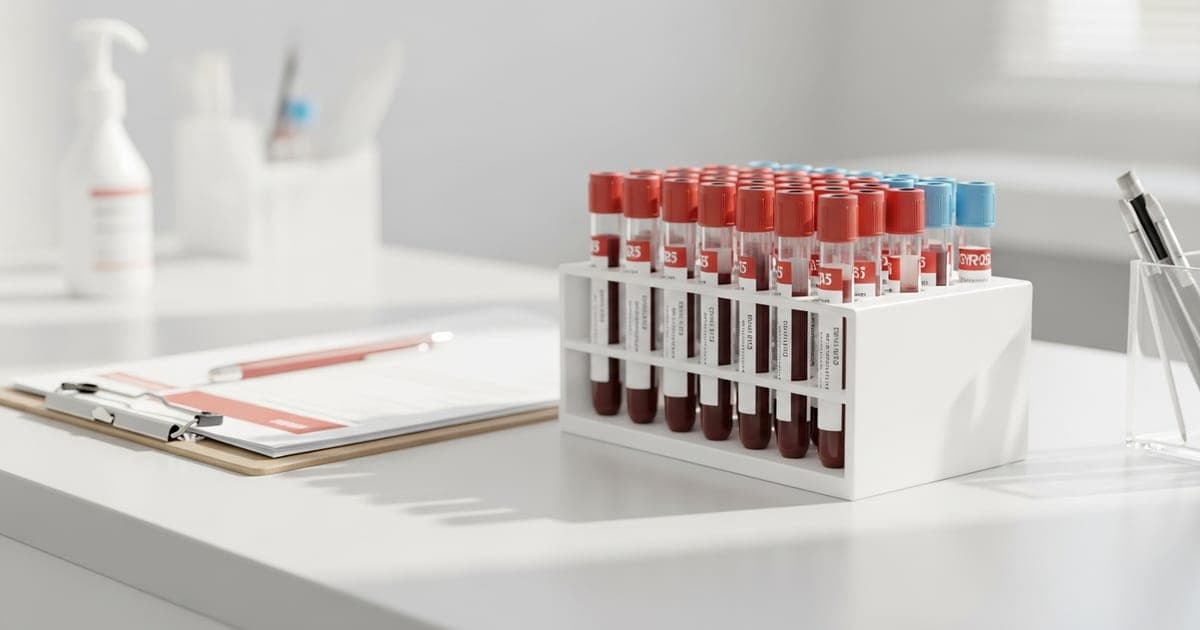
Getting a routine physical exam helps your doctor check your vitals and plan your treatment over the next year. Routine physicals usually include a weigh-in, blood pressure check, heart rate evaluation, and other vital checkups. Annual physicals also include blood work that screens for various diseases.
Standard Blood Work at an Annual Physical
| Test | What It Screens For | Fasting? |
|---|---|---|
| CBC | Anemia, infection, low platelets, leukemia | No |
| CMP (comprehensive metabolic panel) | Blood glucose, kidney function, electrolytes, liver enzymes | Preferred but not always required |
| Lipid panel | LDL, HDL, total cholesterol, triglycerides — heart disease risk | 9–12 hrs preferred |
| HbA1c | Average blood sugar over 3 months; diagnoses prediabetes/diabetes | No |
| TSH | Thyroid function; hypothyroidism is common and asymptomatic | No |
| Vitamin D | Deficiency affecting bone density, immunity, fatigue | No |
| Iron / ferritin | Iron-deficiency anemia; ferritin is the most sensitive early marker | No (morning draw preferred) |
| PSA (men 50+) | Prostate cancer screening | No; avoid cycling 48 hrs prior |
| STI panel | HIV, syphilis, hepatitis B/C — depending on risk factors and age | No |
Continue reading to learn what to expect from your annual physical exam blood work, including what it tests for, how to prepare, and why you should make sure not to skip it.
Parts of a Physical Exam
Physical exams use multiple tests and screening methods to get an overall view of your health. The tests are then compared to your family history, age, and other personal statistics to determine whether you need any further testing based on your risk factors for certain diseases.
A physical exam is broken into several parts:
Health History Review
During this part of the exam, your doctor will ask you questions about your health status, including personal information pertaining to your job, relationships, and sex life. They will ask you about the medications and supplements you are taking, any new health concerns you have, or any surgeries you have needed.
Your general practitioner will try to get a broad picture of your health based on your answers to these questions. They will ask you about anything they feel is relevant and factor it into your overall health assessment.
Vital Signs
The next step of your physical is to check your vital signs, which includes, blood pressure, heart rate, and respiratory rate readings. The results of your vital signs assessment could indicate a condition or the symptoms of one. Once again, these readings are simply for your doctor to get a snapshot of your overall health and adjust your records.
Visual Examination
The visual examination portion of your physical involves your doctor’s assessment of the way your body looks and sounds. They use a broad system of tests to look for tell-tale signs of hidden issues.
They will usually listen to your chest, examine your eyes and ears, test your reflexes, look at your hands and feet, and anything else they feel is necessary. This part of the exam is a good opportunity to talk with your doctor about anything you’ve been concerned about so they can check it out.
Lab Tests
The last part of the physical exam is the blood draw. Your doctor will want to perform several routine tests so that they can get a more complete picture of your health, including potential issues with your metabolic processes or major organs.
They may schedule your blood work at an external lab, or if you have prepared beforehand, they may draw the blood during the physical and send it to the lab themselves.
Types of Physical Exam Blood Work
Doctors typically prescribe standard blood tests for your physical exam such as a complete blood count (CBC), complete metabolic panel, diabetes screening, and lipid panel (also known as a cholesterol test).
Each of these exams tests for different bodily processes to inform your doctor about your body’s kidney and liver function, thyroid health, immune system functioning, blood sugar control, and more. The sum of these tests gives them an idea of your risk for heart attacks and strokes, as well as your likelihood of developing chronic conditions like heart disease and diabetes.
These results, combined with your family history and other risk factors, can help your doctor get a broad understanding of your health and either help you manage potential conditions or schedule further tests.
How to Prepare for a Physical Exam
Prepare for your physical exam first by first noting all the symptoms you want to talk to them about, the recent tests you’ve had done, the medications you may be on, your allergies, your other doctor addresses and numbers, and more. If you have had recent lab work done, you can bring these results to your doctor’s office as well.
Since you may have blood work done at the office, you may also need to fast beforehand. Ask your doctor whether your exam will include bloodwork and whether you can eat or drink before the visit.
The Takeaway
A physical exam entails a litany of tests, including both physical examinations and blood work. Your doctor will use these tests to get an overview of your health to help you with the next steps in your diagnosis or treatment. If all goes well, they won’t have to change anything about your current habits based on your results.
Speedy Sticks is a mobile concierge phlebotomy service that provides at-home blood draws and on-site diagnostic/health screenings for businesses and individuals. These include blood work for routine physical exams, which can be performed by one of our specialists. Book an appointment today to complete your exam.
*This content is for informational purposes only and is not meant to replace consulting with a healthcare professional. Please consult with your primary care physician or healthcare provider before engaging in any services offered by Speedy Sticks.
**These are approximations, and experts disagree on some values. Consult your healthcare provider for recommendations suitable for you. It is also important to ensure the levels are given in the same measurements, such as mg/dL, etc.
A mobile phlebotomist can come to your home, eliminating the lab-visit variables that complicate difficult draws — familiar environment, no waiting room anxiety, and more time per patient.
Sources and further reading
Physical Exam Blood Work Done at Home
Your annual physical panel — CBC, BMP, lipid, thyroid — can be drawn at home. A certified phlebotomist comes to you in a familiar environment, same certified lab.
Book a visit →