
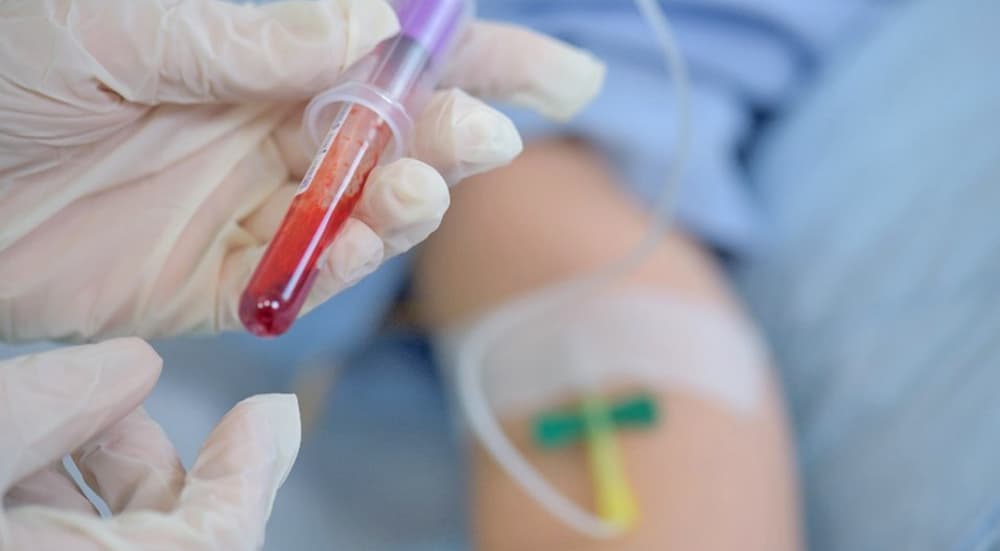
Most fasting blood tests require 8 to 12 hours without food or caloric beverages before your draw. Plain water is allowed — and strongly encouraged. Here is everything you need to know about fasting for blood work: which tests require it, exactly what you can and cannot have, and how to make the process as smooth as possible.
What "Fasting" Means for Blood Work
When you eat, your digestive system breaks food down and releases nutrients directly into your bloodstream. Blood glucose rises, triglycerides spike, and dozens of other measurable values shift — temporarily. Fasting clears these post-meal fluctuations so your results reflect your true baseline, not what you had for breakfast.
A standard fast lasts 8 to 12 hours depending on the test ordered. The most practical approach: finish eating by 8 or 9 PM, schedule your draw for early morning, and your fast is complete — most of it while you slept.
What You Can and Cannot Have While Fasting
Allowed
- Plain water — drink freely; staying hydrated keeps veins easier to access and reduces the number of draw attempts
- Most prescription medications — take as usual with a small sip of water unless your provider specifically says to hold them
- Plain black coffee (some tests only) — check with your provider; for lipid panels and glucose tests, coffee is typically not allowed even without sugar or milk
Not Allowed
- Food of any kind
- Coffee, tea, juice, sports drinks, or flavored water
- Alcohol (avoid for at least 24 hours before GGT and liver tests)
- Chewing gum — even sugar-free varieties stimulate digestive enzyme activity
- Hard candy, lozenges, or mints
- Cigarettes or vaping — nicotine affects several biomarkers including glucose and lipids
- Strenuous exercise the morning of — a hard workout elevates creatinine, glucose, and inflammatory markers
- Vitamins and supplements, unless your provider says they are fine (biotin, for example, interferes with thyroid and hormone assays)
Which Blood Tests Require Fasting
| Test | Fast Required | Why Fasting Matters |
|---|---|---|
| Fasting glucose | 8 hours | Measures true baseline blood sugar for diabetes screening |
| Lipid panel (total cholesterol, LDL, HDL, triglycerides) | 9–12 hours | Triglycerides rise sharply after eating — non-fasted values can be twice the baseline |
| Basic or comprehensive metabolic panel (BMP/CMP) | 8–12 hours | Glucose and kidney markers vary significantly after meals |
| Iron studies | 12 hours | Serum iron elevates after eating iron-rich foods |
| Vitamin B-12 | 8 hours | Supplements or fortified foods can temporarily elevate serum levels |
| GGT (gamma-glutamyl transferase) | 8 hours + no alcohol for 24 hrs | Enzyme level for liver and bile duct function; highly sensitive to recent alcohol |
| Hemoglobin A1c | Not required | Reflects a 3-month average — not affected by recent meals |
| CBC (complete blood count) | Not required | Red and white blood cell counts are stable regardless of food intake |
| Thyroid panel (TSH, T3, T4) | Not required | Thyroid hormones are stable throughout the day |
| HbA1c, PSA, vitamin D | Not required | Not sensitive to recent food intake |
Your provider's specific instructions always override this table. When you receive a lab order, confirm the fasting requirement directly with the ordering provider or the lab.
How Long Do You Actually Need to Fast?
The fasting window depends on the test ordered:
- 8 hours: fasting glucose, vitamin B-12, GGT, most basic metabolic panels
- 9–12 hours: lipid panels — the American Heart Association recommends at least 9–12 hours for the most accurate triglyceride measurement
- 12 hours: iron studies and certain specialized hormone panels
Fasting longer than required does not improve accuracy and can make you feel weak or lightheaded during the draw — which increases the risk of fainting.
What Breaks a Fast
Anything with calories breaks a fast. Even a small amount of food can elevate glucose, triglycerides, or insulin for 4 to 8 hours. The most commonly forgotten fast-breakers:
- A single sip of juice or a flavored coffee drink
- A piece of fruit, a handful of nuts, or a few crackers
- A protein shake, smoothie, or meal replacement
- Milk or cream in coffee (even just a splash)
- Sugar-sweetened medications (certain liquid cough syrups, chewable vitamins)
- Breath spray or mouthwash that contains alcohol or sugar
Plain water does not break a fast. Black coffee has negligible caloric content but can affect insulin sensitivity — avoid it for glucose and lipid panels unless your provider explicitly clears it.
What Happens if You Accidentally Ate?
If you eat or drink something caloric during your fasting window, always tell your phlebotomist and your provider before the draw. The right response depends on the test:
- Routine screening or monitoring tests (annual physical, medication monitoring): your provider may note the non-fasted state and interpret results accordingly — the draw often still proceeds.
- Diagnostic tests (confirming a diabetes diagnosis, pre-surgery bloodwork, cardiovascular risk panels): accuracy is critical, and your provider will likely reschedule for a proper fast.
Drawing blood after an accidental meal is usually better than a long delay. Your provider can factor the context into interpretation — but only if they know about it.
Practical Tips to Make Fasting Easier
- Schedule your draw first thing in the morning. Sleep counts as fasting time. A 7–9 AM appointment after an 8 PM dinner means you fasted through the night with minimal discomfort.
- Drink extra water the evening before and first thing in the morning. Hydrated veins are easier to access and reduce the chance of multiple needle attempts.
- Bring a snack to eat immediately after your draw — especially important if you are prone to lightheadedness or are diabetic.
- Take your medications as usual (with water) unless your provider specifically told you to hold a particular drug.
- Skip intense exercise the morning of. A casual walk is fine; a hard run before a fasting draw can distort glucose and creatinine readings.
- Plan a normal dinner the night before — this is not the time for a high-fat, high-sugar meal, as it can influence triglyceride levels even 12 hours later.
Fasting Blood Work at Home
If you would rather skip the waiting room entirely, a mobile phlebotomist from Speedy Sticks can come to your home or office for your fasting draw. You stay in your own space, eat right after the draw, and get back to your day — no waiting room, no parking, no sitting hungry in a lobby. Book a home blood draw and confirm your specific fasting instructions with your provider beforehand.
This content is for informational purposes only and is not a substitute for professional medical advice. Always follow your provider's specific fasting instructions for your test order.
A mobile phlebotomist can come to your home early in the morning — you fast overnight, they arrive at your door, and you eat right after. No commute during your fasting window.
Sources and further reading
Home Draws Make Fasting Easier
No commute while fasting. A mobile phlebotomist comes to your home for your early-morning fasting draw — eat and drink right after, without having left the house.
Book a visit →