
★★★★★
“Pamela was fantastic — calm, clean, professional yet warm. Exactly what you want for an at-home blood draw.”
Verified patient
Miami, FL
★★★★★ A+ BBB Rated • Nationwide Mobile Phlebotomy
If leaving home isn’t realistic, Speedy Sticks brings the draw to you with protocols that respect medical complexity and timing requirements.
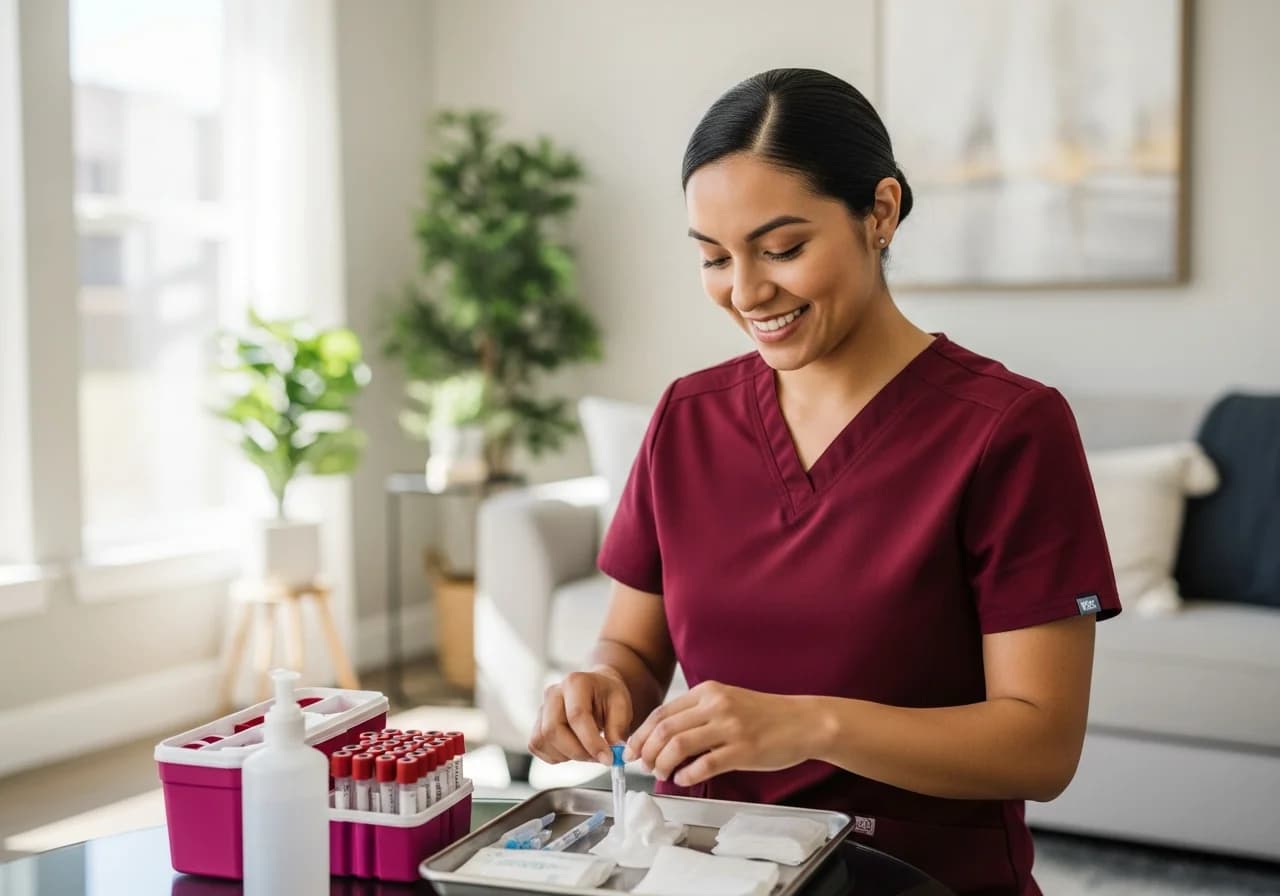
Updated · Reviewed by the Speedy Sticks clinical team
The process
From booking to lab handoff — the whole at-home blood draw, start to finish.
< 3 min
to complete booking
Choose a time window, add your requisition or kit reference, and confirm. We handle the rest from there.
Live ETA
tracked to your door
You get notified the moment we're on the way. Identity and lab order are verified on arrival.
10–15 min
average visit time
Best-practice venipuncture, lab-specific tube order and handling, chain of custody started at first stick.
Done.
your part is finished
Specimens are packaged within stability windows and delivered to your designated lab. Full chain-of-custody end to end — nothing more required from you.
Why Speedy Sticks
Certified phlebotomists operating across major U.S. metros and expanding markets.
Standardized labeling, chain-of-custody documentation, and routing tuned to your downstream lab.
Arrival windows that work around your day — patients, employers, and provider teams.
Collection protocols aligned to order requirements so results are not delayed upstream.
Process
Simple, professional, and designed around your schedule — not ours.
Book your visit
Schedule online with your lab requisition, program instructions, or kit details so we can match the right workflow.
Phlebotomist arrives
A certified collector arrives in your scheduled window, verifies identity and orders, and prepares tubes per protocol.
Collection & lab handoff
We follow venipuncture best practices and lab-specific handling, then route your specimen with full chain-of-custody documentation.
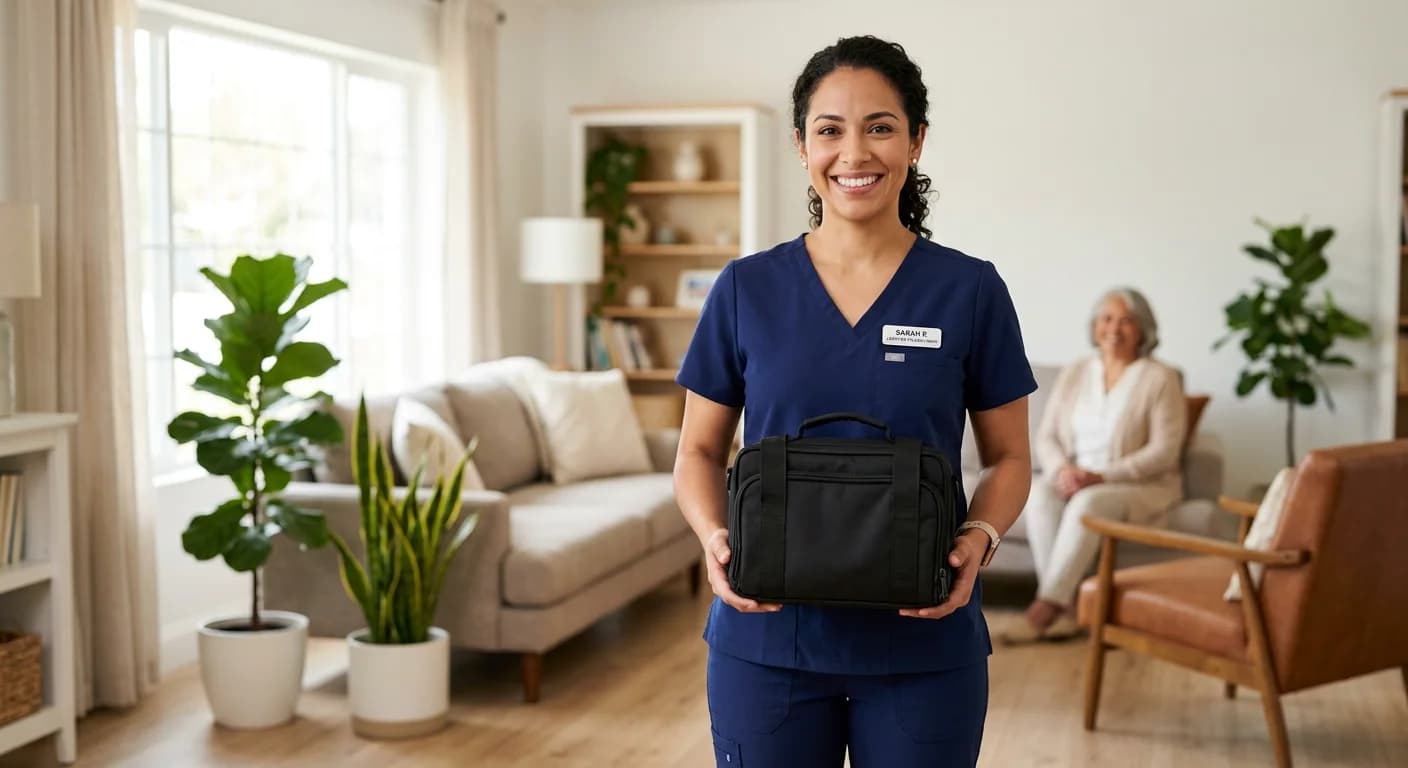
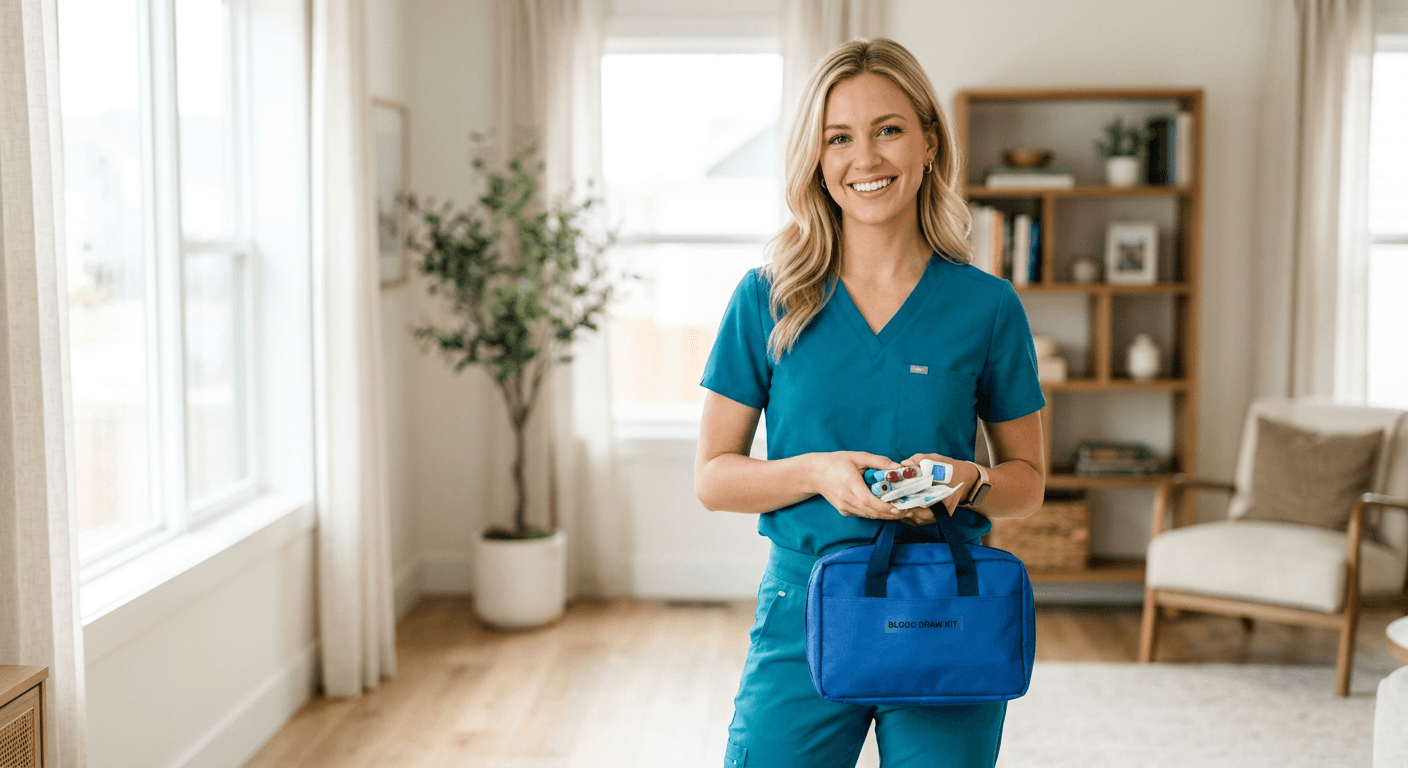
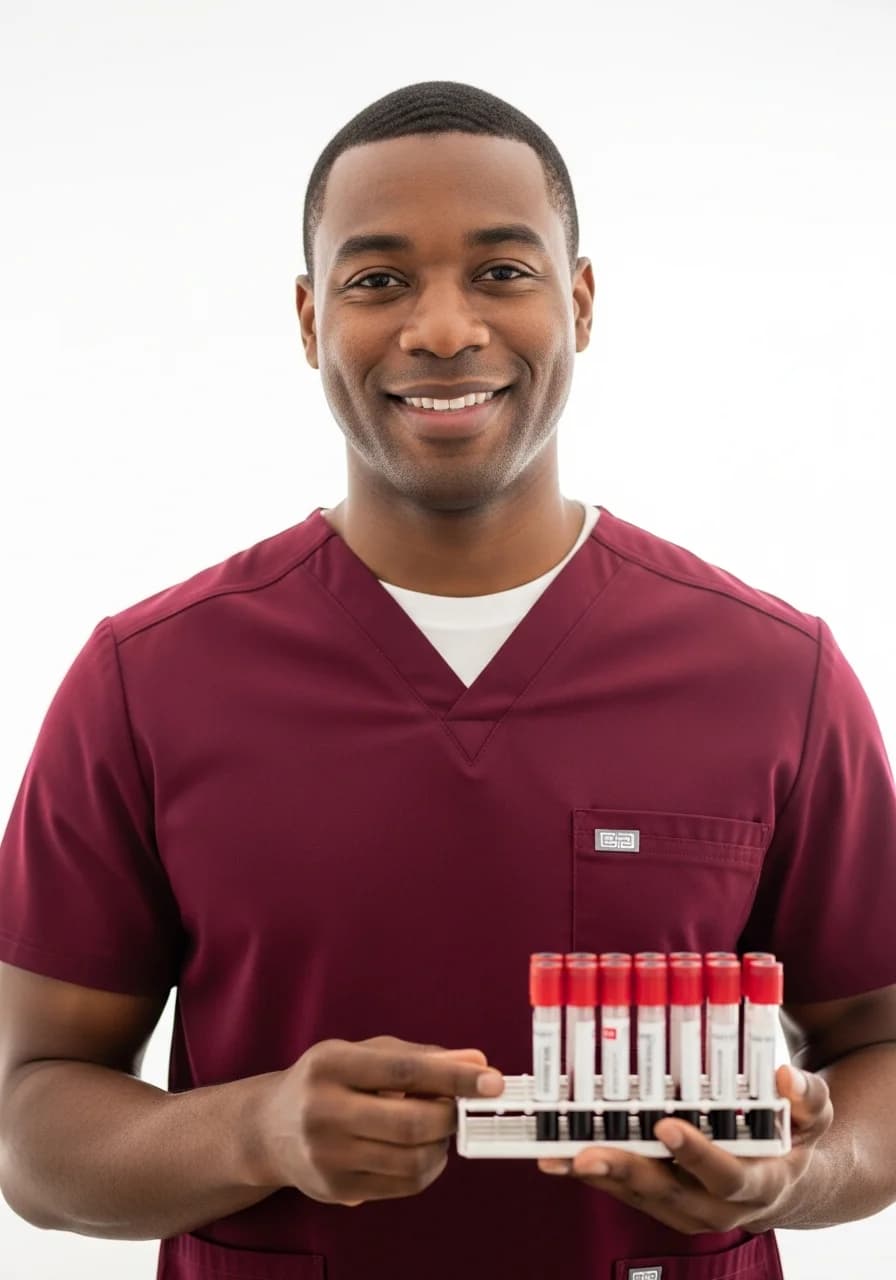
Patient reviews
“Pamela was fantastic — calm, clean, professional yet warm. Exactly what you want for an at-home blood draw.”
Verified patient
Miami, FL
“Valerie was wonderful and very gentle. She gave me all the information I needed and made the process completely stress-free.”
Verified patient
Los Angeles, CA
“I was nervous about a home blood draw, but the phlebotomist was so professional. I will never go back to a lab waiting room.”
Verified patient
New York, NY
Pricing
$150–$250
typical per-visit range for individual bookings
See your price before you confirm
Your exact visit price is shown during booking — no surprises, no hidden fees.
Visit fee is separate from lab charges
You pay Speedy Sticks for the at-home collection; your lab bills any test charges directly.
No insurance billing — pay directly
We don't bill insurance for the visit. HSA/FSA itemized receipts are available on request.
Priced to your visit
Final price reflects your location, timing, and what's being collected in the appointment.
A homebound patient is someone for whom leaving home requires considerable and taxing effort — due to illness, injury, disability, post-surgical recovery, or a chronic condition. Common situations include
Seniors with mobility limitations who cannot safely travel to a lab
Post-surgical patients recovering at home with active orders for monitoring
Patients with chronic conditions (CHF, CKD, anticoagulation therapy) requiring frequent draws
Patients on hospice or palliative care receiving ongoing lab monitoring
Patients with dementia or cognitive conditions best served in a familiar environment
Medicare Part B covers medically necessary diagnostic blood draws for patients who meet homebound criteria under the Medicare home health benefit. When a physician documents homebound status and places a lab order, the laboratory bills Medicare directly for the specimen collection fee. Speedy Sticks charges a mobile service fee for the phlebotomist visit, separate from the Medicare-covered lab collection fee. Confirm coverage details with your Medicare plan administrator before booking. HSA and FSA funds are often eligible for the mobile visit fee.
The phlebotomist arrives in a confirmed window with all required supplies. A typical visit includes: 1. Identity and order verification at bedside 2. Correct tube selection per your lab order and clinician instructions 3. Venipuncture using standardized, clinically validated technique 4. Immediate labeling and chain-of-custody documentation 5. Temperature-appropriate handling and routing to your designated laboratory Most visits take 15–30 minutes from arrival. Caregivers and family members are welcome to be present.
From the Speedy Sticks blog
Speedy Sticks provides homebound blood draw across major U.S. cities and expanding regional markets.
Explore availability in:
For teams
Clinics, labs, research teams, and employers use Speedy Sticks to extend collection capacity without sacrificing protocol fidelity. API integration, bulk scheduling, and compliance documentation included.

When you choose Speedy Sticks for homebound blood draw, certified phlebotomists collect specimens at your home, office, or chosen location using clinician-directed protocols and the same handling standards as a traditional draw site—with nationwide routing across major U.S. metros.
Jump to the primary mobile phlebotomy hub, adjacent programs, or our locations directory — same nationwide routing for patients, providers, and labs.
Education and lab navigation from the Speedy Sticks blog.
See it in action
Your certified phlebotomist arrives at your door with everything needed — no lab visit, no waiting room. Watch how simple it is.
Straight answers on coverage, orders, timing, and logistics.
Yes. Speedy Sticks provides nationwide homebound blood draw across major U.S. cities and expanding regional markets—book online to confirm availability for your address.
Read the full answer