
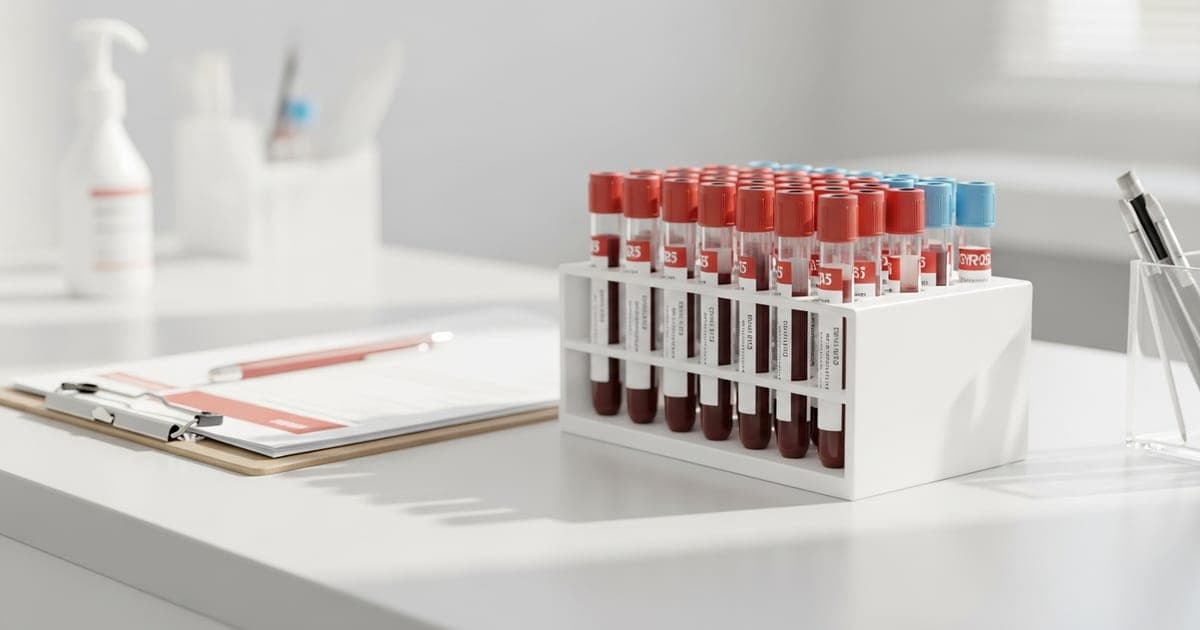
Drug tests detect illegal substances in the person tested. The most common drug test is a urine test and is frequently used to detect the presence of illegal drugs like opioids, steroids, marijuana, and more.
Blood vs. Urine Drug Test: Detection Windows by Substance
| Substance | Blood Detection Window | Urine Detection Window |
|---|---|---|
| Cannabis (THC) | 3–4 hrs (casual); up to 25 hrs (heavy use) | 3–4 days (casual); 30+ days (heavy/chronic use) |
| Cocaine | 12–24 hrs | 2–4 days |
| Opioids (heroin, morphine) | 6–12 hrs | 2–4 days |
| Methamphetamine | 1–3 days | 3–5 days |
| Benzodiazepines | 6–48 hrs | 3–7 days (longer for long-acting) |
| Alcohol (ethanol) | 12–24 hrs | 7–12 hrs (ethanol); 80 hrs (EtG metabolite) |
| PCP | 1–4 days | 7–14 days |
The people most likely to order a drug test–other than doctors–include employers, sports organizations, and legal investigators. Many who must administer or receive a drug test wonder if a blood drug test vs a urine test is more accurate, which costs more, and which to use in different situations.
For all other blood work needs our specialists at Speedy Sticks are here for you. Contact us for our mobile services today.
When is a Drug Test Administered?
A drug test may be part of an employer’s set of requirements to be hired for a new job. Sports organizations are often required to administer blood tests to ensure that their athletes comply with regulations. Legal investigators and police officers may run a drug test as evidence for a court case.
Additionally, if your doctor notices symptoms of substance abuse, a drug test may confirm their suspicions. These symptoms could include slow speech, agitated mood, panic, delirium, paranoia, breathing difficulties, dilated pupils, an irregular heart rhythm, and more.
What is a Urine Drug Test?
Urine tests are the most commonly administered type of drug test. Over 95% of drug screenings conducted by employers are urine analyses. The professional must collect the specimen on-site and then subject it to several panels (anywhere from 4 to 13), depending on the substances the employer or organization wishes to test.
Some examples of substances that a urine drug test can detect include:
- Cocaine
- Opioids
- Amphetamines
- THC (such as in marijuana)
- Methamphetamine
- Phencyclidine
- Benzodiazepines
- Barbiturates
- Methadone
- Methaqualone
- PCP
- Oxycodone
- Buprenorphine
- Tricyclic antidepressants
- Quaaludes
This is not an exhaustive list. The more panels conducted, the more substances a urine drug test can detect.
How is a Urine Drug Test Conducted?
A urine drug test involves collecting a sample at an office or lab and then sending the sample for testing. A healthcare provider will give you instructions on how to collect a clear sample. These steps involve:
- Wash your hands and genitals with the provided materials to ensure the sample is clean.
- Urinate in the toilet while moving the collection cup into the urine stream.
- After collecting the amount specified on the container, finish using the toilet.
- Seal the sample and return it to the on-site technician.
Drug tests are often sensitive issues on which employment, competitive status, or even legal status could depend. For this reason, under certain circumstances, a lab technician may remain present during the sample collection to ensure its validity.
What are the Advantages of a Urine Drug Test?
Urine drug tests come with several advantages that make them the most common drug test administered. The first is cost. Since a technician on-site can analyze the urine, this form of testing is the cheapest and quickest to administer. Employers, sports committees, and legal professionals prefer this streamlined system of collection, analysis, and results.
Urine tests are more accurate for detecting recent drug usage, which is another reason they are the most accepted form of drug test.
What is a Blood Drug Test?
A blood drug test is the least commonly used drug test because it is the most complicated and expensive. A full drug panel conducted on a patient’s blood can reveal many substances with incredible accuracy, including amphetamines, benzodiazepines, THC, cocaine, opiates, ethyl alcohol, oxycodone, fentanyl, meperidine, buprenorphine, gabapentin, tramadol, methadone, and more.
How is a Blood Test Conducted?
A specialist or testing facility collects blood samples with a small needle inserted into the vein of the person’s arm. The blood collected deposits into a vial and is usually sent to a lab for a panel of tests. The test only hurts as much as the needle and is usually over in a few minutes.
What are the Advantages of a Blood Drug Test?
Blood drug tests are more accurate than urine tests. A blood test can detect even a minute level of substance in a person’s blood, provided it is conducted in time. The comparatively small detection window is one disadvantage of a blood drug test as drugs do not last in a user’s bloodstream for long. However, the test accurately detects whether a person is currently under the influence of the substance in question.
The accuracy of blood tests makes them useful for employers who want to conduct random tests on their employees. Unlike urine drug tests, blood tests can verify the exact amount of a substance in a person’s body, which is why most blood tests are ordered by police officers and lawyers involved in pending legal allegations.
How Do I Prepare for a Drug Test?
In many cases, a drug test will be an impromptu check by an employer or sports organization to ensure that their employees are clean. However, if ordered by your doctor, tell them the medications you are on, including supplements and OTC drugs, since these can cause a positive result. Even foods that contain poppy seeds can cause an accurate blood test to give a positive test result for the presence of opioids.
*This content is for informational purposes only and is not meant to replace consulting with a healthcare professional. Please consult with your primary care physician or healthcare provider before engaging in any services offered by Speedy Sticks.
Blood-based therapeutic drug monitoring draws can be collected at home through mobile phlebotomy for patients requiring regular compliance testing.
Sources and further reading
Blood-Based Drug Monitoring at Home or On-Site
For patients requiring regular blood-based drug compliance testing, Speedy Sticks can coordinate home or facility collection — same certified chain-of-custody.
Book a visit →