

A father skips his cholesterol recheck for the third time this year. Not because he forgot. Getting dressed, finding a ride, and sitting in a waiting room felt like more than he could manage that day. This is what depression in older adults actually looks like: a quiet erosion of the small tasks that keep chronic conditions monitored. Routine lab work is often the first thing to slip. It slips silently, which is why it’s easy to miss until a number comes back dangerously off.

Why Do So Many Depressed Older Adults Skip Their Lab Work?
Depression drains the exact energy required to manage a chronic illness. A blood draw sounds simple, but it involves a chain of small decisions: scheduling, transportation, fasting rules, remembering the day. Depression disrupts every link in that chain.
Many older adults describe the fatigue as physical, not emotional. Both the patient and their doctor can mistake it for “just getting older.” A missed appointment gets rescheduled once, then again, then not at all. Add mobility limits or distant family, and one missed draw becomes a pattern: missed monitoring for diabetes, thyroid disease, or kidney function.
Family members are often the first to notice. Rarely through a conversation about mood: usually through logistics, like a reminder card still sitting on the counter.
How Does Depression Undercut Follow-Through on Health Tasks?
It makes every step of a task feel heavier than it is, long before the person can name why. This isn’t laziness or stubbornness. It’s a measurable drop in the brain’s capacity to initiate and sustain effort, even for things the person genuinely wants to do.
This is where mobile phlebotomy services start to matter. Cutting out the travel and waiting-room steps removes several of the exact friction points that make a routine draw feel unbearable. A patient who can’t face a 45-minute round trip may still manage a 15-minute visit at their kitchen table.
There’s a second layer worth naming honestly. When depression goes unaddressed for years, some older adults lean on alcohol or extra medication just to get through the day. Understanding the effects of depression in older adults helps families spot that shift early: missed lab work is sometimes just the visible symptom.
What Does Missed Bloodwork Actually Cost an Aging Patient?
It costs early warning. Lab work exists to catch problems like kidney decline, thyroid dysfunction, and dangerous drug interactions before they turn into emergencies.
The scale of the problem is larger than most families realize. This condition is well documented as underdiagnosed and undertreated in older patients, according to the Centers for Disease Control and Prevention, partly because clinicians mistake its symptoms for physical decline. That blind spot extends to monitoring: a missed appointment reads as noncompliance, not depression.
For someone managing diabetes or heart disease, a few skipped panels can mean months without anyone catching a dangerous drift in blood sugar or kidney markers. The lab visit itself is rarely the hard part. Getting there is.

Why Isolation Makes This Worse
Isolation compounds depression, and depression compounds isolation. Once one takes hold, the other tends to follow. An older adult who has stopped driving or lost a spouse loses more than mobility: they lose the small social contact that used to come from errands and appointments.
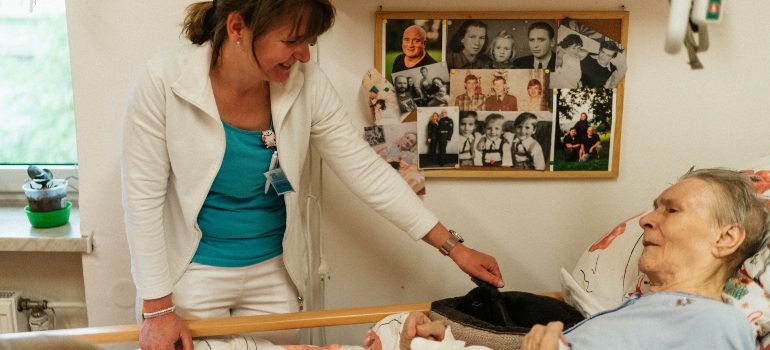
This pattern is especially visible in patients who are largely confined to bed or their home, where the lack of stimulation can deepen mood and make health tasks feel like too much. Loneliness is a documented risk factor for worsening mood in older adults, not just a side effect of it.
Family members sometimes assume a parent “doesn’t want help.” What’s actually happening is closer to overwhelm. A short phone call or a scheduled visit can restore enough structure that the task stops feeling impossible.
What Can Families and Caregivers Actually Do?
The most effective first step is almost always to lower the barrier, not increase the pressure. Reminders and lectures rarely work on someone who is depressed. Removing friction usually does.
Start With the Barrier, Not the Lecture
Ask what’s specifically making the appointment hard: transportation, fatigue, fear of bad news, or simply not having the energy to plan it. The answer usually points straight to the fix.
Depression screening is now a standard part of preventive care. The U.S. Preventive Services Task Force recommends screening all adults, including those 65 and older, during routine care. A missed lab visit is also a missed chance to catch depression itself before it deepens.
Bring the Lab to Them
Sometimes the simplest fix is to remove the trip entirely. A few options worth considering:
- Certified mobile phlebotomy services that come directly to the home
- Telehealth follow-ups paired with an in-home blood draw
- Coordinating lab visits around an existing home health or caregiver schedule
None of these require getting dressed for an outing or sitting in an unfamiliar room — two of the most common points where motivation collapses.
When a Care Facility Is Already Involved
If a parent already lives in assisted living or a nursing home, missed labs are often a coordination problem rather than a motivation problem. Staff turnover and transport scheduling can delay routine monitoring even when the resident is willing.
In these settings, on-site phlebotomy for nursing homes and long-term care facilities solves the problem at its root, bringing certified collection to the resident on a predictable schedule. It’s worth asking whether a facility already offers this.
Getting the Next Blood Draw Actually Done
Depression in older adults rarely announces itself directly. It shows up as missed appointments, quiet withdrawal, and lab work pushed to “next month.” None of that means the situation is unfixable. It usually means the path to care has too many steps right now. The fix is to shorten that path, not demand more effort from someone with little left to give. If a parent keeps missing their bloodwork, ask what’s standing in the way, then see whether a home visit could remove that barrier for good.