
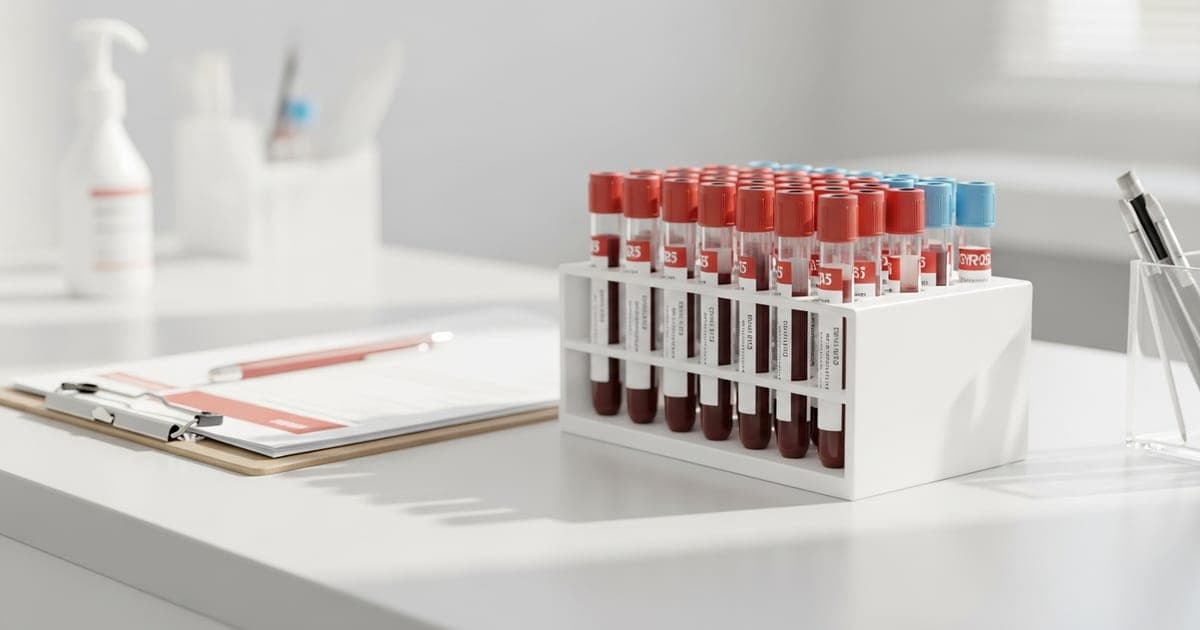
The Galleri test is a cell-free DNA blood test that screens for more than 50 cancer types from a single blood draw — the majority of which have no standard recommended screening test. It works by detecting cancer signal DNA shed into the bloodstream by tumors, and when a signal is found, it identifies the likely tissue of origin with approximately 88% accuracy. Galleri is a screening test, not a diagnostic test: a positive result requires follow-up imaging and biopsy to confirm cancer. It is intended as a complement to, not a replacement for, existing cancer screenings (mammography, colonoscopy, PSA).
Understanding the Galleri Test
The Galleri test is a cutting-edge blood test designed to detect multiple types of cancer in their early stages. It utilizes advanced technology to identify small DNA fragments released into the bloodstream by cancer cells, enabling the detection of cancer even before symptoms manifest. This non-invasive test has the potential to transform the landscape of cancer screening.
What is the Galleri Test?
Galleri test” is a revolutionary blood test designed to detect early signs of cancer. It utilizes advanced technology to scan the bloodstream for tiny fragments of genetic material shed by cancer cells, known as cell-free DNA (cfDNA) and circulating tumor DNA (ctDNA).
The Galleri test employs next-generation sequencing (NGS) techniques to analyze the cfDNA and ctDNA present in a blood sample. This analysis allows scientists and healthcare professionals to identify specific genetic mutations and alterations associated with various types of cancer. By examining the genetic information, the test can detect the presence of cancerous cells in the body, even before symptoms manifest.
The Importance of Early Cancer Detection
Cancer is a leading cause of death globally, and timely detection is critical for successful treatment. Early-stage cancer is often more treatable and associated with better patient outcomes. Traditional cancer screening methods have limitations, leading to the need for more advanced and accurate diagnostic tools.
Where To Get Tested?
Say Goodbye To Waiting Rooms And Long Lines. Speedy Sticks offers at-home testing.
How Does the Galleri Test Work?
The Galleri test utilizes next-generation sequencing technology to analyze fragments of DNA present in the bloodstream. It specifically looks for certain genetic signals that may indicate the presence of cancer. The test can detect over 50 different types of cancers, including lung, breast, colorectal, ovarian, and pancreatic cancers.
The Advantages of the Galleri Test
The Galleri test offers several advantages over traditional cancer screening methods. Firstly, it is a non-invasive and straightforward blood test, eliminating the need for uncomfortable and invasive procedures. Additionally, its high sensitivity enables the detection of cancer at earlier stages, improving the chances of successful treatment. Moreover, the test’s ability to identify multiple types of cancers makes it a comprehensive screening tool.
Galleri Test: Current Research and Clinical Trials
Extensive research and clinical trials have been conducted to evaluate the effectiveness and accuracy of the Galleri test. Initial studies have shown promising results, with the test demonstrating a high sensitivity in detecting early-stage cancers. Ongoing trials aim to further validate its efficacy and assess its impact on reducing cancer mortality rates.
The Potential Impact of the Galleri Test on Cancer Detection
The Galleri test has the potential to revolutionize cancer detection by shifting the focus from late-stage diagnosis to early detection. Detecting cancer at an early stage can significantly increase the chances of successful treatment, leading to improved patient outcomes and reduced healthcare costs. By identifying multiple cancer types with a single test, the Galleri test can provide a more comprehensive approach to cancer screening.
Challenges and Limitations of the Galleri Test
While the Galleri test shows great promise, it also faces certain challenges and limitations. False-positive results can occur, leading to unnecessary anxiety and follow-up procedures. Additionally, the test may not be suitable for individuals with certain medical conditions or at high risk for specific cancers. Ongoing research and refinement of the test are necessary to address these challenges and optimize its accuracy.
Ethical Considerations and Patient Privacy
As with any medical innovation, ethical considerations and patient privacy are paramount. The Galleri test raises important questions regarding the disclosure of test results, insurance coverage, and potential discrimination based on genetic information. Safeguarding patient privacy and ensuring equitable access to the test are crucial aspects that need to be addressed during its implementation.
How accurate is the Galleri test in detecting cancer?
The Galleri test has shown high sensitivity in detecting various types of cancers, including those at early stages. However, further research and validation are ongoing to determine its accuracy.
Say Goodbye To Waiting Rooms And Long Lines. Speedy Sticks offers at-home testing.
Can the Galleri test replace other cancer screening methods?
The Galleri test complements existing cancer screening methods but does not replace them. It offers a more comprehensive approach by detecting multiple cancer types with a single blood test.
Is the Galleri test suitable for everyone?
The Galleri test may not be suitable for individuals with certain medical conditions or at high risk for specific cancers. Consultation with a healthcare professional is essential to determine its appropriateness.
How long does it take to get the Galleri test results?
The turnaround time for Galleri test results may vary, but it generally takes a few weeks. Prompt communication of the results is crucial for timely medical intervention if needed.
Conclusion
The Galleri test represents a significant advancement in cancer detection technology. By enabling the early detection of multiple cancer types through a simple blood test, it offers hope in the fight against this devastating disease. Further research, clinical trials, and refinement are necessary to harness its full potential and ensure its widespread availability.
Say Goodbye To Waiting Rooms And Long Lines. Speedy Sticks offers at-home testing.
If you need a standard blood draw alongside cancer screening, a mobile phlebotomist can collect your sample at home.
Sources and further reading
Who is the Galleri test for?
The Galleri test is recommended for adults aged 50 and older, or for younger adults at elevated cancer risk — family history, genetic variants (BRCA1/2, Lynch syndrome), prior cancer history, or significant occupational or lifestyle exposures. Because most cancers detected by Galleri are types that lack population-level screening programs, the test is particularly valuable for people with risk factors for non-screenable cancers: pancreatic, ovarian, esophageal, and head-and-neck cancers.
The Galleri test is not currently covered by Medicare or most commercial insurance, and is purchased out-of-pocket for approximately $900. Clinical trials sponsored by Grail and the NHS are ongoing; the PATHFINDER study and NHS-Galleri trial are evaluating whether routine use reduces late-stage cancer diagnoses at a population level.
Understanding Galleri results
- No cancer signal detected: A negative result means no cancer signal was found in the blood at the time of the test. It does not mean cancer is absent — early-stage tumors may shed too little DNA for detection. False-negative rates are higher for early-stage cancers, particularly stage I.
- Cancer signal detected: A positive result indicates DNA signals consistent with one or more cancer types were found, with a predicted tissue of origin. Overall specificity is approximately 99.5% — meaning about 0.5% of positive results in people without cancer are false positives. The positive predictive value (how often a positive is real) depends on the prevalence of cancer in the screened population.
Follow-up for a positive result typically begins with the predicted tissue of origin — targeted imaging (CT, PET, MRI) and, if abnormality is confirmed, biopsy for tissue diagnosis.
Galleri Blood Draw Done at Home
The Galleri multi-cancer early detection test requires a standard venous blood draw. A certified mobile phlebotomist can collect your sample at home with your provider's requisition.
Book a visit →