
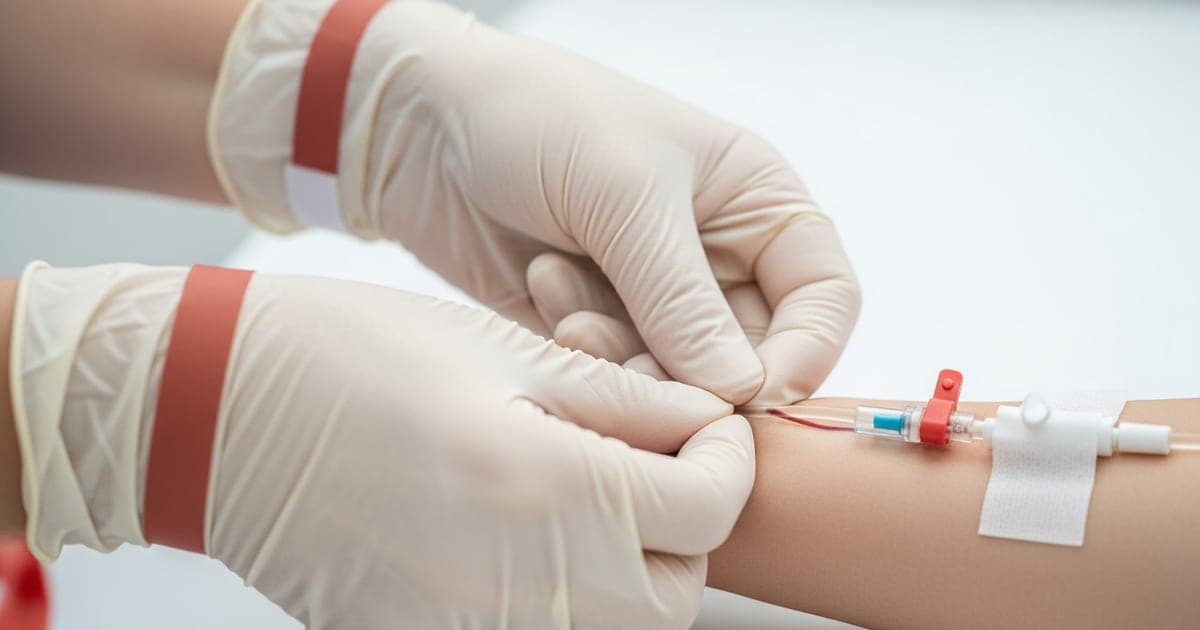
Phlebitis vs Infiltration, IV therapy is a cornerstone of modern medicine, used for everything from hydration to chemotherapy and emergency resuscitation. But while intravenous access provides critical therapeutic value, it’s not without risks. Among the most common complications are phlebitis and infiltration—two terms often confused, yet vastly different in presentation, cause, and consequence.
Understanding these complications isn’t just the responsibility of a nurse or doctor. It’s vital for anyone involved in patient care—from the bedside to administrative offices. When ignored or misdiagnosed, these issues can delay treatment, cause severe discomfort, and in worst-case scenarios, lead to long-term damage or even legal repercussions.
So, why does this topic matter so much? Because the line between an effective IV and a harmful one is thin. And knowing the difference between phlebitis and infiltration can be the difference between proactive care and reactive damage control.
What is Phlebitis?
Phlebitis is basically inflammation of a vein, usually caused by irritation from an IV catheter. It can be painful, red, and warm to the touch — and while it might sound like a minor issue, if ignored, it can turn into something far more serious.
Treatment of Phlebitis
Standard clinical management follows a clear protocol:
- Remove the IV catheter immediately — continuing infusion through an inflamed vein worsens the injury and increases infection risk.
- Warm compress and elevation — a warm pack applied to the site and keeping the limb elevated reduces inflammation and promotes drainage. Heat improves local blood flow; avoid cold compresses on phlebitis.
- NSAIDs — ibuprofen or naproxen reduce pain and local inflammation. Confirm with a provider before use, especially if you are on anticoagulants.
- Anticoagulation — for thrombophlebitis (phlebitis with clot involvement), a provider may prescribe anticoagulants to prevent clot extension or deep vein involvement.
- Topical heparin — used in some clinical settings to reduce superficial clot and inflammation around the insertion site.
- Antibiotics — required for bacterial (septic) phlebitis. Empiric IV antibiotics are started promptly given the infection risk.
People may require blood-thinning medications to help prevent blood clots and phlebitis from returning.
To ease symptoms of phlebitis, people can apply a warm compress, elevate the affected area when resting, and take over-the-counter pain relievers such as acetaminophen or ibuprofen.
If people are taking blood thinners, it’s important that they check with a doctor before taking ibuprofen as it may not be safe to take at the same time.
How to prevent phlebitis
According to a 2021 article, healthcare professionals may follow certain steps to help prevent phlebitis, including:
- monitoring and continuously evaluating the IV treatment
- keeping records such as dates, locations, and number of IV treatments
- removing the catheter if signs of phlebitis appear, such as warmth, redness, or tenderness
- changing a catheter and dressings as necessary
- avoiding inserting a catheter into certain areas, such as joints and wrists, as it may cause the catheter to move out of place and cause problems
- using antiseptic solutions to get rid of bacteria and other microorganisms
- maintaining proper handwashing and using gloves for carrying out procedures
Good communication between healthcare professionals and the person receiving treatment is also important. For healthcare professionals, this can include consulting the person about the location of the catheter insertion, explaining signs of phlebitis to look for, and checking whether the person experiences any discomfort or symptoms.
What is Infiltration?
Infiltration happens when the IV fluid leaks out of the vein into surrounding tissues. Instead of going into the bloodstream, the fluid builds up under the skin, causing puffiness, discomfort, and even tissue damage.
Causes of Infiltration?
Dislodged catheter
Fragile veins
Patient movement
Signs and Symptoms of infiltration
Swelling around the IV site
Coolness to touch
Pale or tight skin
Decreased flow rate on infusion
Treatment of infiltration
Healthcare professionals may treat infiltrationTrusted Source in the following ways:
- removing the IV line
- using medication such as hyaluronidase if soft tissue damage is present
- elevating the affected area
- applying mild compression to the affected area
- prescribing pain-relief medication
- monitoring for infection, which may require antibiotic treatment
Doctors will also check for complications that can occur with infiltration, such as compartment syndrome. Compartment syndrome is a buildup of pressure in the muscles.
Doctors may make referrals to surgeons — plastic or orthopedic — to treat infiltration if there is soft tissue damage or if infiltration occurs with chemotherapy.
How to prevent infiltration
According to a 2018 study, recognizing infiltration early and removing the IV may help prevent infiltration.
Frequently checking the area of the IV insertion and surrounding areas is also important, using medical grades or scales to evaluate any issues.
The person receiving treatment must understand infiltration, as this can help them recognize and report any symptoms early on.
Removing the catheter at the first signs of infiltration may help prevent inflammation from progressing and causing complications.
Key Differences Between Phlebitis and Infiltration
| Feature | Phlebitis | Infiltration |
|---|---|---|
| Cause | Vein inflammation | Fluid leakage |
| Feel | Warm, red, tender | Cool, swollen, pale |
| Appearance | Red streaks, cord-like vein | Puffy skin, no redness |
| Pain | Moderate to severe | Mild to moderate |
| Progression | Can lead to infection | Can cause tissue damage |
They might look alike, but the internal issues are entirely different.
Why IV Therapy Is Common in Healthcare
From ERs to ICUs to outpatient chemotherapy centers, IV therapy is a default. It’s the fastest route to administer fluids, nutrients, blood products, and medications. Especially for critically ill patients or those unable to take oral medication, IV access becomes essential—not optional.
This widespread use makes it easy to overlook the associated risks. With millions of IV lines placed annually worldwide, even a 1% complication rate represents a significant number of patients affected. That’s why vigilance is non-negotiable. Healthcare providers must monitor for complications like phlebitis and infiltration as part of routine care, not just when problems arise.
More importantly, not all IV-related discomfort is “normal.” Sometimes, a bit of redness or swelling is a sign of something more serious developing beneath the surface—something that requires quick, informed action.
Similarities Between Phlebitis and Infiltration
Both occur at or near IV sites
Cause discomfort and disrupt therapy
Require quick recognition and intervention
Could lead to complications if ignored
Signs and Symptoms to Watch For
It’s all about the feel and look.
Phlebitis Indicators
Warmth
Redness
Pain along the vein path
Possible fever (if infected)
Infiltration Indicators
Swelling
Coolness
Tight, shiny skin
Slowed or stopped IV flow
Risk Factors
Certain factors make patients more likely to develop these complications:
Catheter gauge: Larger catheters = more risk
Site location: Areas with more movement (like the wrist)
Hydration status: Dehydrated veins are fragile
Age: Children and elderly are more susceptible
Diagnosing the Problem
Nurses often use tools like the Visual Infusion Phlebitis (VIP) score to assess severity. Diagnosis usually involves:
Inspecting the site
Palpating for tenderness or warmth
Checking IV flow rate
Asking the patient how it feels
Treatment and Management
For Phlebitis
Remove the IV line immediately
Apply warm compresses
Elevate the limb
Consider anti-inflammatory medications
For Infiltration
Stop the infusion
Elevate the limb
Use cold or warm compresses (depending on fluid)
Monitor for signs of tissue damage
Prevention Strategies
“Prevention is better than cure” rings especially true here.
Rotate IV sites regularly
Use the smallest gauge necessary
Monitor the site every 2 hours
Educate patients to report discomfort
When to Seek Medical Attention
Don’t brush it off if:
Pain is worsening
Fever develops
Swelling spreads
There’s pus or foul odor at the site
Complications if Left Untreated
Phlebitis can escalate to thrombophlebitis, a clot in the inflamed vein.
Infiltration can lead to tissue necrosis, especially with vesicant drugs.
Both can prolong hospital stays and delay treatment.
Role of Nurses and Healthcare Workers
Nurses are the first line of defense.
Regularly inspect and document IV sites
Educate patients on what to expect
Take swift action at first signs of trouble
Importance of Patient Awareness
Patients should:
Know what a normal IV site looks/feels like
Report burning, pain, or swelling immediately
Ask questions if something feels off
Even post-IV, patients should monitor the site for up to 48 hours.
Importance of Monitoring IV Sites Regularly
You might think that once an IV is in place and running smoothly, it doesn’t need much attention. But the opposite is true. IV sites need regular, thorough checks—every shift at a minimum, and more frequently if high-risk medications are being administered or the patient is at increased risk.
Phlebitis can develop gradually or suddenly. One minute the IV site looks fine; the next, it’s red, hard, and tender. Infiltration can also happen in the blink of an eye—especially if the catheter dislodges slightly, allowing fluid to seep into surrounding tissue rather than the vein.
The bottom line? The earlier you spot these signs, the easier it is to treat them—and the less pain and risk your patient faces. Monitoring is not just a nursing task; it’s a clinical safeguard.
What are the first signs of phlebitis to watch for?
Early signs of phlebitis include redness, warmth, tenderness, and a firm, cord-like vein. You may also notice streaking along the vein or mild swelling.
Can phlebitis and infiltration happen at the same time?
Yes, especially if the catheter irritates the vein and then fluid leaks out.
How long does it take to heal?
Mild cases resolve in a few days; severe cases may take a week or longer.
Are some IV sites riskier than others?
Yes, sites over joints or near arteries are higher-risk due to movement or blood flow.
Can infiltration cause long-term damage?
If untreated — yes. Severe cases can lead to tissue damage and scarring.
Should IV therapy be paused after complications?
It depends. The patient may need a new site or different treatment — but therapy itself doesn’t always stop.
Can infiltration cause permanent damage?
Yes, if left untreated—especially with vesicant drugs—infiltration can lead to tissue necrosis, blistering, and permanent scarring. Immediate action is essential.
How often should IV sites be checked?
IV sites should be checked at least once per nursing shift and before every medication administration. High-risk patients may require even more frequent checks.
Is phlebitis contagious or caused by infection?
Phlebitis is not contagious. While bacterial phlebitis is caused by infection, mechanical and chemical phlebitis are not. Proper hygiene reduces the risk of bacterial causes.
What should patients do if they notice swelling or pain at their IV site?
They should immediately inform their nurse or healthcare provider. Do not ignore these symptoms as they may indicate phlebitis or infiltration.
Conclusion
Understanding the difference between phlebitis and infiltration isn’t just about textbook knowledge—it’s about protecting patients from avoidable harm. These two common IV complications can look similar on the surface but have vastly different causes, treatments, and risks. Phlebitis is an inflammatory process that may be caused by mechanical irritation, chemical agents, or bacterial infection. Infiltration, on the other hand, is the result of fluid escaping the vein into surrounding tissue.
Phlebitis is inflammation; infiltration is leakage. Each has its own risks, symptoms, and treatment options. The good news? With proper technique, regular monitoring, and prompt action, both can be prevented or managed effectively.
Whether you’re a healthcare professional or a patient, this knowledge empowers you to spot complications early, respond confidently, and ensure safer, smoother IV therapy experiences. Keep this guide in your back pocket (or bookmarks), because a few seconds of awareness could save you from days of discomfort — or worse.
Early recognition, consistent monitoring, and proper technique are your best defense. Whether you’re a nurse on the front lines, a physician overseeing care, or a patient receiving therapy, being informed can make all the difference.
IV therapy should be safe, effective, and comfortable—and with the right knowledge, it can be.
Say Goodbye To Waiting Rooms And Long Lines. Speedy Sticks offers at-home testing.
How Phlebotomist Experience Affects Your Risk
Both phlebitis and infiltration risk drop substantially with phlebotomist skill. Proper vein selection (avoiding fragile, heavily scarred, or valved veins), correct needle size and angle, single-stick technique, and secure catheter anchoring are all practiced skills that reduce both complications. If you've had repeated difficult draws, blown veins, or post-draw bruising, asking for an experienced phlebotomist isn't overcautious — it's the right call.
Mobile phlebotomists who specialize in home blood draws tend to develop high first-stick success rates precisely because they work with a wide variety of patients, including those with difficult vein access. Getting your blood drawn in a relaxed home setting also reduces vasoconstriction from anxiety — veins are easier to access when you're not tense, which directly lowers the risk of infiltration from a missed or blown vein.
Sources and further reading
A Calm Home Setting Means Easier Veins
Anxiety-related vasoconstriction is a real factor in difficult draws. A Speedy Sticks phlebotomist comes to your home, where you're relaxed — reducing the risk of complications like phlebitis.
Book a visit →