Phlebotomy is pronounced fleh-BOT-oh-mee (IPA: /flɪˈbɒt.ə.mi/). The word comes from Greek: phleps (φλέψ, meaning vein) and tomia (τομή, meaning cutting or incision). A person certified to perform phlebotomy is a phlebotomist — pronounced fleh-BOT-oh-mist. The 'ph' → 'f' sound follows the same Greek convention as pharmacy, phone, and physician.
What is Phlebotomy?
Phlebotomy is the practice of drawing blood for diagnostic testing, transfusions, donations, or research. It’s the behind the scenes superhero role that helps doctors diagnose diseases, monitor conditions, and even match people for life-saving blood transfusions.
Phlebotomists often work in:
Hospitals
Diagnostic laboratories
Private clinics
Blood donation centers
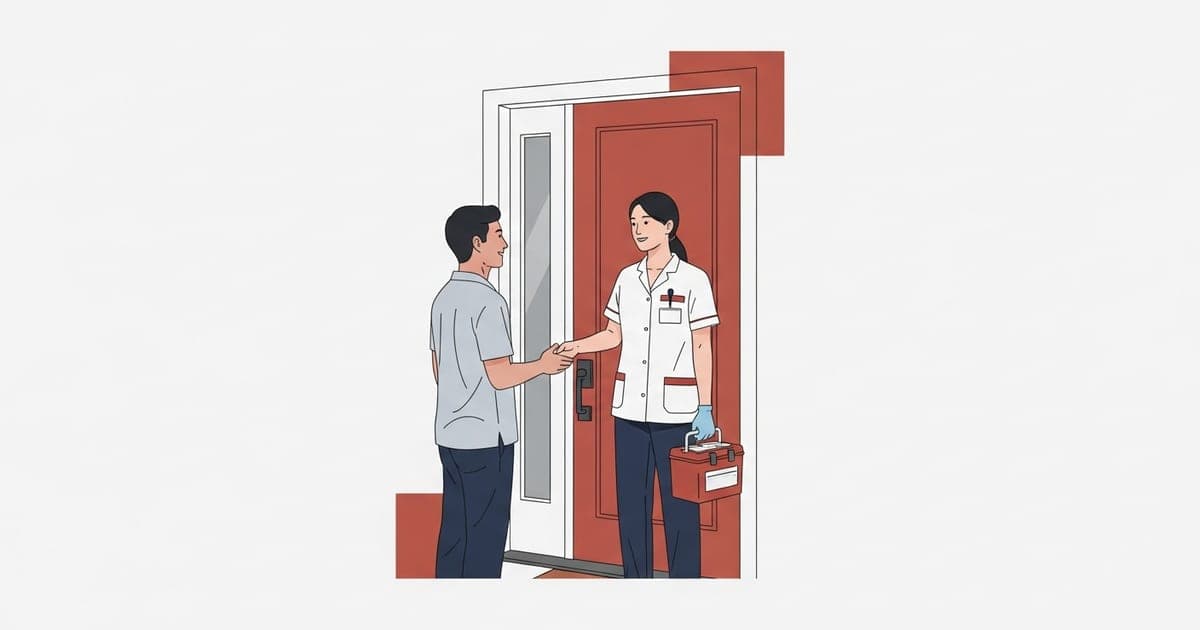
Mobile healthcare services (like Speedy Sticks!)
The work is precise and procedure focused. You’ll be trained to find veins, collect blood efficiently, calm nervous patients, and handle samples with extreme care. You won’t be diagnosing anyone but your role is critical to patient outcomes.
If you’re someone who loves organization, attention to detail, and doesn’t mind a little blood, phlebotomy might be your sweet spot.
How Do You Pronounce “Phlebotomy”?
Let’s clear this up right away—phlebotomy is not as hard to say as it looks. All those letters might make you pause, but it’s actually pronounced:
/flə-ˈbä-tə-mē/
FLUH-BAH-tuh-mee
Break it down like this:
Phle = “Fluh”
bot = “Bah”
omy = “tuh-mee”
Say it with us: Fluh-BAH-tuh-mee.
Still sounds weird? Try thinking of it like this: “Flow of blood to me” — okay, it’s a stretch, but sometimes a silly phrase helps you lock it in.
Knowing how to say it properly can boost your confidence especially during interviews, classes, or patient interactions. After all, if you’re going to build a career in it, you should sound like you know what you’re talking about.
The Role of a Phlebotomist
So, what does a phlebotomist really do all day?
A typical day might include:
Greeting patients and explaining procedures
Verifying patient identity and matching test orders
Drawing blood using venipuncture techniques
Labeling vials correctly and safely
Preparing specimens for lab transport
Maintaining clean, sanitary workspaces
Calming nervous or fearful patients (especially kids!)
You might work in a fast-paced ER, a calm private clinic, or even provide mobile phlebotomy services (something Speedy Sticks specializes in). It’s a great fit for people who are calm under pressure, love routines, and are looking for flexibility in the healthcare field.
Phlebotomist
| Feature | Phlebotomist | |
|---|---|---|
| Main Role | Draw blood, manage specimens | |
| Patient Interaction | Short, mostly during blood draw | |
| Education Time | 4-12 weeks (varies by program) | |
| Work Environment | Labs, clinics, hospitals, mobile units | |
| Physical Demands | Light to moderate | |
| Emotional Demands | Moderate | |
| Certification | CPT (Certified Phlebotomy Technician) | |
| Career Advancement | Lab tech, donor specialist, medical assistant |