
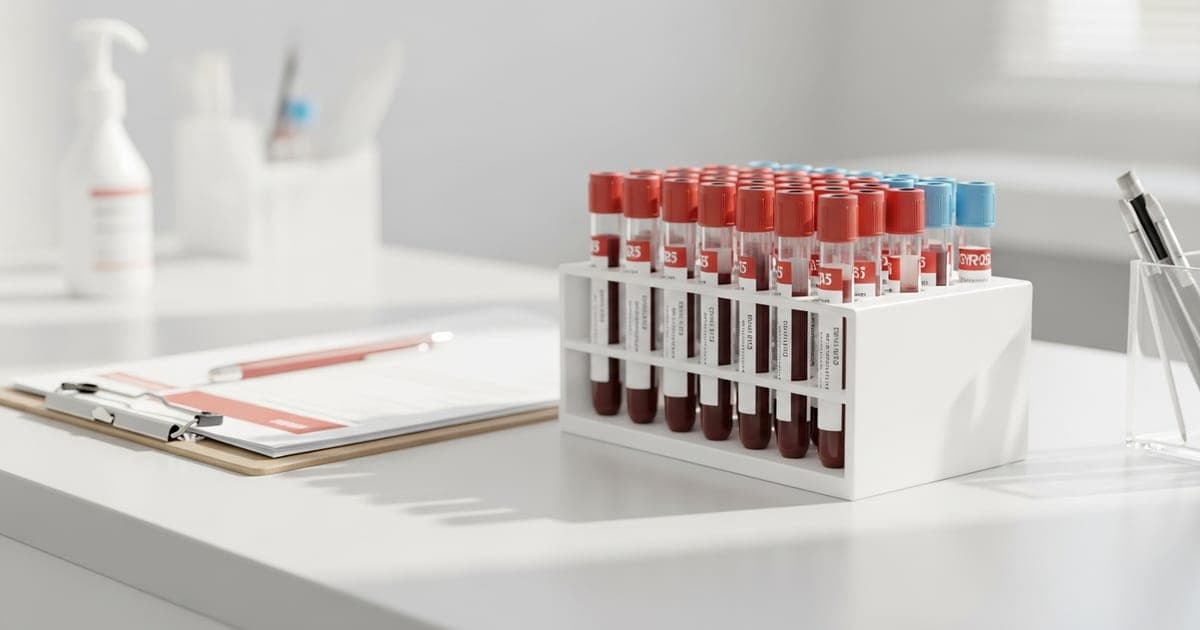
Workplace drug testing plays a crucial role in ensuring a safe and productive work environment. With the prevalence of substance abuse issues in society, it becomes essential for organizations to implement effective drug testing programs. This article explores the various aspects of workplace drug testing, including its types, benefits, legal considerations, implementation strategies, challenges, best practices, and future trends.
Understanding Workplace Drug Testing
Workplace Drug testing refers to the process of screening employees for drug use and substance abuse. It involves the analysis of biological specimens, such as:
- Urine
- Hair
- Saliva and
- Blood to detect the presence of drugs or their metabolites
The primary objective of workplace drug testing is to create a safe and healthy work environment, minimize accidents and injuries, and ensure optimal employee performance.
The Purpose and Process of Workplace Drug Testing
The primary objective is to identify employees who are under the influence of drugs, thereby preventing accidents, maintaining productivity, and safeguarding the well-being of all employees. Drug testing can involve various methods such as urine, blood, hair, saliva, or even breath tests.
Where to get Tested?
Say Goodbye To Waiting Rooms And Long Lines. Speedy Sticks offers at-home testing
Types of Workplace Drug Testing
Blood Drug Testing
Blood drug testing is the most invasive and expensive method. It is typically used in post-accident or reasonable suspicion situations to determine whether drug use contributed to an incident. Blood tests provide accurate results but have a shorter detection window.
Urine Drug Testing
Urine drug testing is the most common and widely used method for workplace drug testing. It detects recent drug use and provides a reliable indication of impairment. This non-invasive test can detect a wide range of substances and is relatively cost-effective.
Saliva Drug Testing
Saliva drug testing is gaining popularity due to its ease of use and non-invasive nature. It can detect recent drug use and is often used for on-site or random testing. Saliva tests offer quick results and can detect drugs shortly after ingestion.
Hair Drug Testing
Hair drug testing involves analyzing hair samples for evidence of drug use. It provides a longer detection window compared to urine testing, as drugs can be detected in hair for several months. This type of testing is particularly useful for detecting long-term drug use patterns.
Benefits of Workplace Drug Testing
Promoting a Safe Work Environment
Workplace drug testing promotes a safe environment by deterring drug use among employees. It sends a clear message that drug abuse is not tolerated, creating a culture of accountability and responsibility.
Reducing Accidents and Injuries
Drug use impairs cognitive and physical abilities, increasing the risk of accidents and injuries in the workplace. By identifying and addressing substance abuse through drug testing, organizations can significantly reduce the likelihood of such incidents.
Enhancing Productivity and Performance
Substance abuse can severely impact employee productivity and performance. Drug testing helps identify individuals with drug-related performance issues, allowing employers to intervene and provide appropriate support.
Preventing Drug-Related Incidents
Drug-related incidents, such as theft, violence, and misconduct, can have serious consequences for organizations. Implementing drug testing programs helps identify employees with substance abuse problems, reducing the occurrence of such incidents.
Legal Considerations
Workplace drug testing is subject to various laws and regulations that govern its implementation. Employers must be aware of these legal considerations to ensure compliance and protect employee rights and privacy.
Laws and Regulations Surrounding Workplace Drug Testing
Laws regarding workplace drug testing vary across jurisdictions. Employers should familiarize themselves with local, state, and federal laws to ensure their drug testing policies are in accordance with the legal requirements.
Employee Rights and Privacy Concerns
Employees have certain rights and expectations of privacy when it comes to workplace drug testing. It is essential for employers to balance their need for a drug-free workplace with respecting employees’ privacy rights and maintaining confidentiality.
Implementing Workplace Drug Testing Programs
Developing a Drug Testing Policy
A well-defined drug testing policy is the foundation of an effective workplace drug testing program. The policy should outline the purpose, procedures, and consequences of drug testing, as well as employees’ rights and responsibilities.
Choosing a Drug Testing Provider
Selecting a reputable drug testing provider is crucial to ensure accurate and reliable results. Employers should consider factors such as testing methods, laboratory accreditation, turnaround time, and cost when choosing a provider.
Communicating with Employees About the Program
Clear and open communication with employees is vital for the success of a drug testing program. Employers should educate their workforce about the purpose and benefits of drug testing, address any concerns or misconceptions, and provide information on available support resources.
Challenges and Limitations
Implementing workplace drug testing programs can pose certain challenges and limitations that employers should be aware of.
False-Positive and False-Negative Results
Drug tests are not foolproof and can sometimes produce false-positive or false-negative results. Factors such as medication use, laboratory errors, or tampering can affect the accuracy of the results.
Addressing Prescription Drug Use
Workplace drug testing may detect the presence of prescription drugs, raising privacy and legal concerns. Employers should have protocols in place to handle prescription drug use cases appropriately and ensure employees’ rights are protected.
Dealing with Legal Implications and Disputes
Disputes or legal challenges related to workplace drug testing can arise. Employers should have a thorough understanding of the legal implications and consult with legal professionals when necessary to navigate such situations effectively.
Best Practices for Workplace Drug Testing
Adhering to best practices can enhance the effectiveness and fairness of workplace drug testing programs.
Regular and Random Testing
Implementing both regular and random drug testing helps deter drug use and maintain a drug-free workplace. Random testing ensures fairness and eliminates the potential for individuals to evade testing.
Ensuring Confidentiality and Fairness
Maintaining confidentiality and treating employees fairly throughout the drug testing process is crucial. Employers should establish protocols to protect employees’ privacy and handle test results in a confidential and sensitive manner.
Providing Employee Assistance Programs
Supporting employees struggling with substance abuse is essential for their well-being and recovery. Offering employee assistance programs (EAPs) can provide confidential counseling and access to treatment resources, fostering a supportive workplace environment.
Future Trends in Workplace Drug Testing
Workplace drug testing continues to evolve with advancements in technology and changing societal patterns.
Emerging Technologies and Methods
New technologies, such as point-of-care testing devices and oral fluid testing, are emerging in the field of workplace drug testing. These advancements offer quicker and more convenient testing methods.
Focus on Opioids and Other Substances
Given the opioid crisis and the rise of other substances, there is a growing focus on detecting opioids and expanding the scope of substances covered in drug testing. This trend aims to address the changing landscape of drug abuse.
When Can an Employer Require a Drug or Alcohol Test?
Pre-employment: Employers may require drug or alcohol tests before hiring new employees.
Reasonable suspicion: If there are reasonable grounds to suspect drug or alcohol use, employers can request a test.
Post-accident: After workplace accidents involving injuries or property damage, drug or alcohol tests can be required.
Random testing: In some industries, employers can conduct random drug or alcohol tests on employees.
Return-to-work: Employees returning from drug or alcohol rehabilitation programs may undergo testing.
Safety-sensitive positions: For certain safety-sensitive roles, drug or alcohol tests may be mandatory.
Can an Employer Randomly Drug Test Employees?
Yes, employers can conduct random drug testing as part of their workplace drug testing program. However, it is important to comply with local laws and regulations regarding privacy and employee rights.
How Long Do Drugs Stay In Your System for Workplace Drug Testing?
The detection window for drugs varies depending on the type of test and the specific substance. Generally, drugs can be detected in urine for a few days to several weeks, in hair for several months, and in saliva and blood for a shorter duration.
Can Prescription Medications Cause a Positive Drug Test Result?
Yes, certain prescription medications can cause a positive drug test result. It is essential for employees to disclose any prescription medications they are taking to the testing provider to avoid any misinterpretation of results.
What Happens if an Employee Fails a Drug Test?
The consequences of failing a drug test depend on the employer’s drug testing policy. It may result in disciplinary actions, including termination of employment, depending on the severity of the violation and the organization’s policies.
Can an Employee Refuse to Take a Workplace Drug Test?
Refusal to take a workplace drug test can have consequences, including disciplinary actions or termination, as outlined in the organization’s drug testing policy. However, employees should be familiar with their rights and consult legal counsel if they have concerns about the testing process.
Say Goodbye to Waiting Rooms And Long Lines. Speedy Sticks offers at-home testing
Conclusion
Workplace drug testing is an essential tool for organizations to promote safety, productivity, and a drug-free work environment. By implementing comprehensive drug testing programs, employers can reduce the risks associated with drug use, protect their workforce, and create a culture of accountability and well-being.
For blood-based workplace drug panels and therapeutic monitoring, mobile phlebotomy can coordinate home or office collection.
Sources and further reading
Blood-Based Drug Panels via Mobile Phlebotomy
For DOT, pre-employment, or therapeutic monitoring panels requiring a blood draw, Speedy Sticks can coordinate collection at your facility or at the employee's location.
Book a visit →