
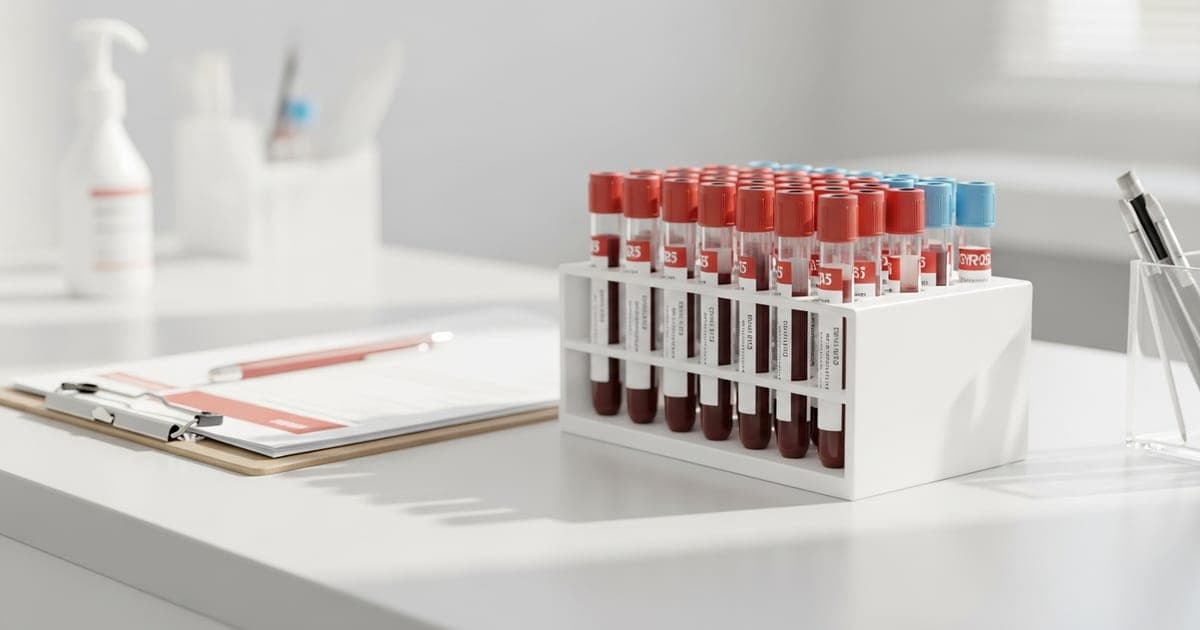
Leukemia Blood Test: In recent years, the field of medical diagnostics has witnessed remarkable advancements, especially in the realm of leukemia detection and monitoring. Leukemia, a type of cancer that affects the blood and bone marrow, has seen significant breakthroughs in blood testing methods. These innovations are revolutionizing the way we diagnose and manage this condition. In this article, we will explore the latest breakthroughs in leukemia blood tests and how they are transforming patient care.
Blood Tests Used in Leukemia Diagnosis and Monitoring
| Test | What It Shows | Leukemia Red Flags |
|---|---|---|
| CBC with differential | Counts of all blood cell types | Very high WBC (>100,000/µL), low hemoglobin, low platelets (pancytopenia), or abnormal blast percentage |
| Peripheral blood smear | Microscopic review of cell morphology | Blast cells, hypersegmented neutrophils, smudge cells (CLL), or Auer rods (AML) |
| LDH (lactate dehydrogenase) | Cell turnover marker | Elevated in aggressive leukemias; high LDH correlates with tumor burden |
| Uric acid | Nucleic acid breakdown byproduct | Elevated in high-turnover leukemia; tumor lysis syndrome risk |
| Flow cytometry | Identifies cell surface markers on WBCs | Immunophenotyping classifies leukemia type (ALL vs AML vs CLL vs CML) |
| Cytogenetics / FISH | Chromosomal abnormalities | Philadelphia chromosome (CML), t(15;17) AML, BCR-ABL translocation |
| Bone marrow biopsy | Marrow cellularity and blast percentage | >20% blasts = AML diagnosis threshold; assesses marrow infiltration extent |
Understanding Leukemia
Leukemia originates in the bone marrow, where abnormal blood cells are produced in excessive amounts. These cells then infiltrate the bloodstream, crowding out healthy blood cells and impairing the body’s ability to function optimally. The disease can be classified into various types, including acute myeloid leukemia (AML), acute lymphoblastic leukemia (ALL), chronic myeloid leukemia (CML), and chronic lymphocytic leukemia (CLL).
What is Leukemia?
Leukemia is a type of cancer that affects the blood and bone marrow. It involves the overproduction of abnormal white blood cells, which crowd out healthy cells. These abnormal cells don’t function properly and can’t fight infections like normal white blood cells. Leukemia can be acute (develops rapidly) or chronic (progresses more slowly). It’s classified into different types based on the specific white blood cells affected (lymphoid or myeloid) and how quickly it progresses. Treatment includes chemotherapy, radiation, and stem cell transplantation. Regular monitoring and medical care are crucial for managing leukemia effectively.
What Causes Leukemia?
Leukemia is thought to result from genetic mutations in blood cells. Exposure to radiation, certain chemicals, and family history can increase the risk. The exact cause is still under study.
What are the Symptoms of Leukemia?
Leukemia symptoms may include:
- fatigue
- fever
- frequent infections
- pale skin
- easy bruising and bleeding
Other signs could be swollen lymph nodes, bone pain, and weight loss.
How Does Leukemia Develop?
Leukemia develops when abnormal changes occur in the DNA of blood cells, causing them to grow uncontrollably. These mutated cells overcrowd the bone marrow, hindering normal blood cell production and leading to various symptoms.
What are the Types of Leukemia?
Leukemia is categorized into four main types: acute lymphoblastic leukemia (ALL), acute myeloid leukemia (AML), chronic lymphocytic leukemia (CLL), and chronic myeloid leukemia (CML). Each type varies in progression and treatment.
What Blood Tests Indicates Leukemia?
Certain blood tests can provide indications of leukemia, including complete blood count (CBC), peripheral blood smear, and flow cytometry. Elevated white blood cell count, abnormal cell morphology, and presence of leukemia-specific markers are key indicators.
Can Leukemia Be Detected Through Blood Test?
Yes, leukemia can be detected through blood tests. A complete blood count (CBC) is a common initial test, which helps identify abnormal levels of white blood cells, red blood cells, and platelets. Further tests like bone marrow biopsy confirm the diagnosis.
What is The First Indicator of Leukemia?
An increased white blood cell count (leukocytosis) is often the initial indicator of leukemia. However, diagnosis requires comprehensive evaluation, including blood tests, bone marrow examination, and clinical assessment.
What Does a CBC Look Like With Leukemia?
In leukemia, a CBC may show elevated white blood cells (leukocytosis), decreased red blood cells (anemia), and decreased platelets (thrombocytopenia). Abnormal cell types might appear in the blood smear, warranting further investigation for a definitive diagnosis.
Where To Get Tested?
Say Goodbye To Waiting Rooms And Long Lines. Speedy Sticks offers at-home testing.
Leukemia Blood Test Breakthroughs You Need to Know
Conventional Blood Testing
Traditionally, leukemia diagnosis relied on standard blood tests that measured the counts and appearances of different blood cell types. While effective to some extent, these tests often lacked the precision required for accurate diagnosis and monitoring.
Flow Cytometry: A Game-Changer
Flow cytometry has emerged as a game-changer in leukemia diagnosis. This technique enables the simultaneous analysis of multiple characteristics of individual cells. By tagging cells with fluorescent markers, flow cytometry provides detailed insights into the type and stage of leukemia cells present in the sample.
Minimal Residual Disease (MRD) Detection
MRD refers to the small number of cancer cells that may remain in the body after treatment. Advanced blood tests can now detect MRD with incredible sensitivity, allowing doctors to monitor treatment effectiveness and make timely adjustments.
Next-Generation Sequencing (NGS) for Subtyping
NGS technology has enabled precise subtyping of leukemia. This breakthrough helps doctors identify specific genetic mutations driving the disease. Tailoring treatment to the patient’s genetic profile enhances the chances of success.
Liquid Biopsies for Early Detection
Liquid biopsies involve the analysis of cell-free DNA circulating in the bloodstream. This method offers a non-invasive way to detect leukemia-related genetic changes even before symptoms manifest, enabling early intervention.
Say Goodbye To Waiting Rooms And Long Lines. Speedy Sticks offers at-home testing.
Advantages of New Blood Test Methods
The latest blood test methods offer several advantages. They are less invasive, provide quicker results, and offer higher levels of accuracy and sensitivity. This translates to more effective treatment strategies and improved patient outcomes.
Challenges and Future Prospects
While the breakthroughs are promising, challenges such as cost, accessibility, and standardization remain. Continued research and collaboration are crucial to addressing these issues and expanding the availability of advanced blood tests.
Personalized Treatment Approaches
The newfound ability to identify specific genetic mutations allows for personalized treatment plans. Targeted therapies and precision medicine minimize side effects and maximize treatment efficacy, significantly improving the patient’s quality of life.
Impact on Patient Care
The impact of these breakthroughs on patient care is profound. Swift and accurate diagnosis, coupled with personalized treatment, increases the chances of remission and long-term survival. Patients can now look forward to improved outcomes and a better quality of life.
Promising Research Directions
Ongoing research aims to refine existing blood testing methods and discover new biomarkers for even earlier diagnosis. Additionally, studies are focused on developing interventions to prevent the progression of certain leukemia types.
Lifestyle Tips for Leukemia Patients
In addition to medical treatment, adopting a healthy lifestyle can positively influence the journey of leukemia patients. A balanced diet, regular exercise, stress management, and a strong support network all contribute to overall well-being.
Conclusion
The landscape of leukemia diagnosis and treatment is rapidly evolving, thanks to groundbreaking blood test breakthroughs. These advancements are shifting the paradigm of leukemia care, offering hope and improved outcomes to patients worldwide.
Say Goodbye To Waiting Rooms And Long Lines. Speedy Sticks offers at-home testing.
A CBC — the first screening tool in leukemia workup — can be collected at home through mobile phlebotomy. If results are abnormal, your provider will guide next steps including specialist referral.
Sources and further reading
CBC and Blood Cancer Workup From Home
A complete blood count, differential, and initial workup panels can be collected at home by a certified phlebotomist. If results are abnormal, your provider guides the next steps.
Book a visit →