
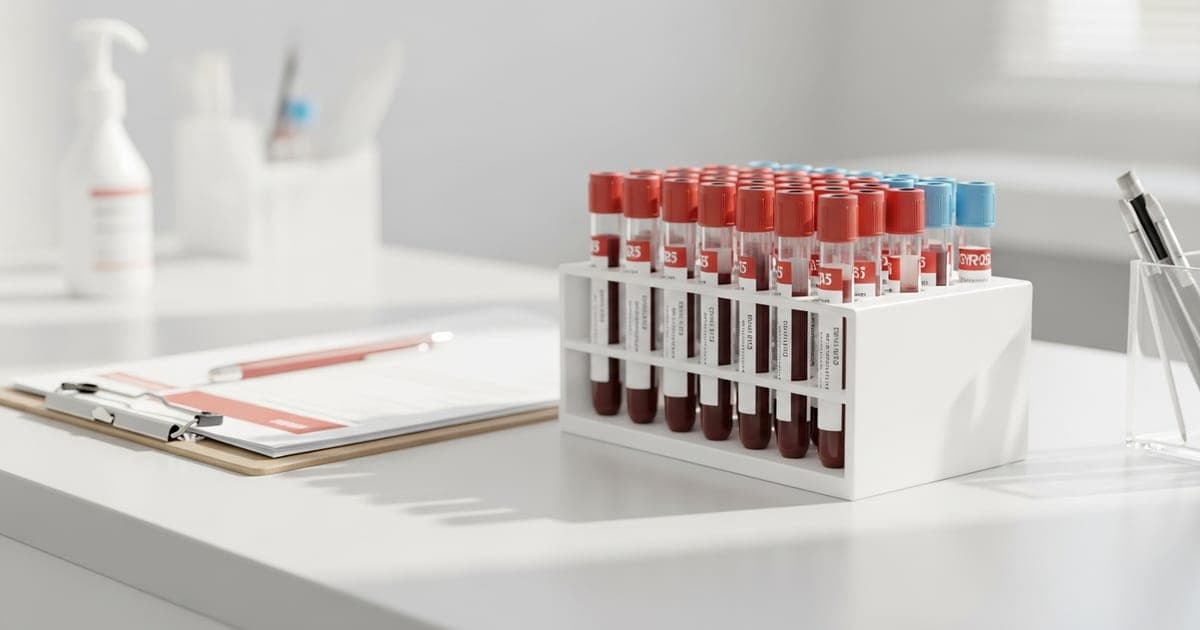
Essential vitamins and minerals support energy levels, immunity, and organ function. Deficiencies cause fatigue, hair loss, weakened immunity, and other symptoms that affect daily life. The most reliable way to confirm a nutrient deficiency is through blood tests that measure vitamin and mineral levels directly.
How to find out if you have a nutrient deficiency
Symptoms are an early warning, not a diagnosis. Common signs of a possible deficiency include paleness, tiredness, weakness, frequent infections, muscle and joint pain, headaches, difficulty concentrating, and skin, hair, or nail problems.
These symptoms are nonspecific — they can have many causes. If you suspect a deficiency, a blood test provides the accurate confirmation you need to act on it. Self-treating without a diagnosis can result in unnecessary supplementation or missed underlying conditions.
Common nutrient deficiencies and their symptoms
Fatigue and low energy
Common deficiencies: Iron, vitamin B12, vitamin D, magnesium
Symptoms: Chronic tiredness, dizziness, weakness, reduced exercise tolerance
Hair loss and brittle nails
Common deficiencies: Biotin (B7), iron, zinc
Symptoms: Excessive hair shedding, weak or breaking nails
Frequent colds and weak immunity
Common deficiencies: Vitamin C, vitamin D, zinc
Symptoms: Slow-healing wounds, recurrent infections, prolonged illness recovery
Muscle cramps and bone pain
Common deficiencies: Magnesium, calcium, vitamin D
Symptoms: Leg cramps, joint pain, muscle weakness, increased fracture risk
Brain fog and poor concentration
Common deficiencies: Omega-3, vitamin B12, iron
Symptoms: Memory issues, difficulty focusing, mental fatigue
Key deficiencies explained
Iron deficiency is the most common nutrient deficiency worldwide. It leads to anemia, paleness, fatigue, reduced performance, shortness of breath, and heart problems. Women of reproductive age, vegetarians, and pregnant women carry the highest risk.
Vitamin B12 deficiency causes anemia, neurological symptoms, and weakness. Older adults, vegetarians, vegans, and people with gastrointestinal disorders absorb B12 poorly and are at elevated risk. Supplementation or injection therapy is effective once confirmed by testing.
Vitamin D deficiency increases osteoporosis and fracture risk. It also causes mood changes, fatigue, and frequent infections. Many people are deficient without knowing it, since vitamin D symptoms develop slowly.
Folic acid deficiency impairs cell division and blood formation. In pregnant women, it raises the risk of neural tube defects in the newborn. All people of childbearing age are advised to maintain adequate folate levels.
How to test for a nutrient deficiency
Blood tests are the gold standard for confirming a nutrient deficiency. A single at-home visit with a mobile phlebotomist can collect all the samples needed for a comprehensive panel.
Common nutrient blood tests
- Iron panel and ferritin test — detects iron deficiency and anemia
- Vitamin D test — checks bone and immune health
- Vitamin B12 and folate test — evaluates energy levels and nerve function
- Magnesium, calcium, and potassium test — assesses muscle and bone health
- Zinc and selenium test — essential for immunity and thyroid function
Who should get tested
- People with chronic fatigue or low energy
- Vegans and vegetarians (higher risk for B12, iron, and zinc deficiencies)
- Pregnant women (higher need for iron, folate, and calcium)
- People with digestive disorders (Celiac, Crohn's, IBS)
- Older adults (more prone to vitamin D and B12 deficiencies)
- Athletes and active individuals (higher demand for iron, magnesium, and protein-related nutrients)
How to correct a nutrient deficiency
Dietary changes
- Iron: spinach, red meat, lentils, fortified cereals
- Vitamin D: sunlight exposure, fatty fish, fortified dairy
- Vitamin B12: eggs, dairy, fortified cereals; supplementation for vegans
- Magnesium: nuts, seeds, dark chocolate, leafy greens
- Folate: leafy greens, legumes, fortified grains
Supplementation
When diet alone is insufficient, supplements can correct a deficiency. Dose your supplements based on your lab test results — excess supplementation of fat-soluble vitamins (A, D, E, K) can cause toxicity. Your provider determines the right amount based on your baseline levels.
Frequently asked questions
What is the most common nutrient deficiency?
Iron deficiency is the most prevalent worldwide, especially in women of reproductive age.
Can you have a deficiency without symptoms?
Yes. Some deficiencies are asymptomatic until they become severe. Testing is the only way to know your actual levels.
How long does it take to correct a deficiency?
Mild deficiencies often improve within a few weeks of dietary changes or supplementation. Severe deficiencies may take months to fully correct. Follow-up testing confirms that levels have normalized.
What is the best blood test for vitamin deficiencies?
A comprehensive nutrient panel is ideal. It checks iron, vitamin D, B12, folate, zinc, magnesium, and other markers in a single blood draw.
Nutrient deficiency panels (vitamin D, B12, folate, iron, ferritin, zinc) can all be drawn in one at-home visit through mobile phlebotomy.
Sources and further reading
Nutrient Panel at Home — One Draw, All Markers
Vitamin D, B12, folate, iron, ferritin, zinc — all drawn in one at-home visit. A certified phlebotomist comes to you with your provider's order.
Book a visit →